

From ancient ruins to sun-soaked coastlines, Italy is a dream destination. This itinerary covers the...


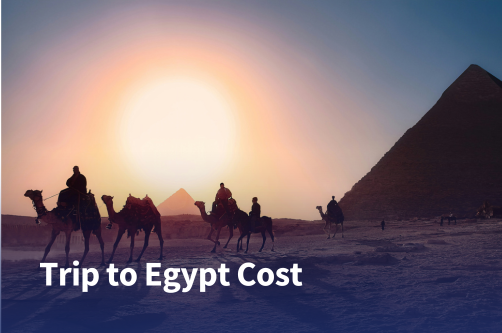
Typically, a trip to Egypt can cost between $700 and $2,500 per person for one week, but this depends heavily on your travel style, the season you visit, your flight origin, and whether you splurge on a Nile cruise or stick to street food and hostels.
This guide breaks down everything from flights and hotels to daily expenses, transportation, and clever ways to save money while exploring the land of the pharaohs.
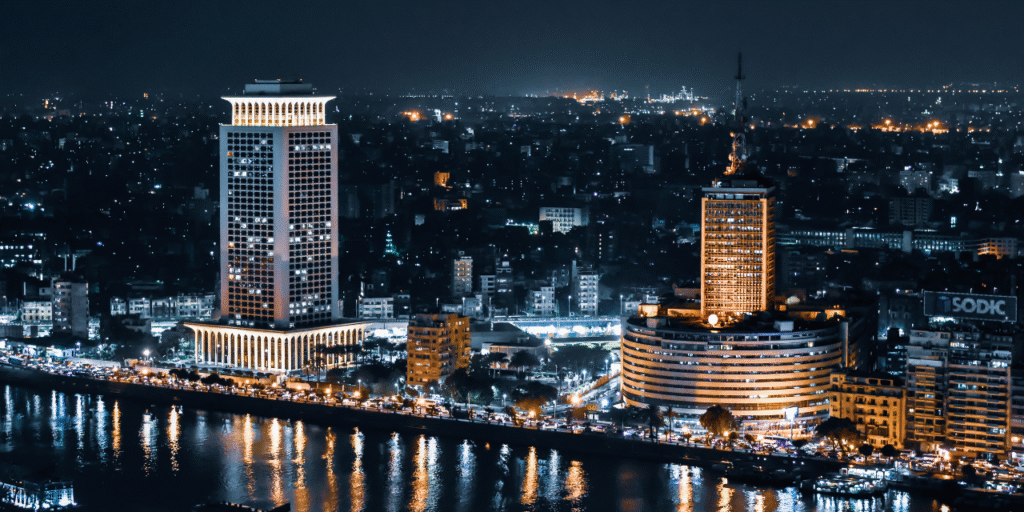
Flights are typically the biggest expense when planning your Egyptian adventure. Prices swing wildly depending on where you're departing from, when you book, and whether you're traveling during peak or off-season.
From the USA (New York, Los Angeles, Chicago), expect to pay $600–$1,200 for a round-trip ticket to Cairo International Airport. The East Coast generally offers cheaper fares since it's closer, while West Coast travelers often face higher prices.
Currently, November tends to be the cheapest month to book flights from the USA to Egypt, with averages around $797, while June is typically the most expensive, averaging around $1,192.
From Europe, flights are significantly cheaper given the proximity. Budget airlines like easyJet operate routes to Egypt, and you can find round-trip tickets ranging from €300 to €900 depending on your departure city and timing.
From Asia, regional flights can be surprisingly affordable, ranging from $200 to $600 depending on your origin city. From Australia and Oceania, expect to pay $1,000–$1,800 for round-trip flights, as these are the longest routes.
Quick tips for saving on flights:
Egypt offers something for every budget, from $5 hostel dorms to $500+ luxury suites overlooking the pyramids. Here's what you can expect across different travel styles.
Backpackers and budget-conscious travelers will love Egypt. Hostel dorms start at as little as $5 in cheaper destinations, with private rooms in guesthouses and budget hotels ranging from $10 to $50 per night.
Cities like Luxor and Aswan tend to be cheaper than Cairo for budget accommodation. Popular budget options include hostels in downtown Cairo, guesthouses near tourist sites, and homestays in smaller towns. Many budget stays include breakfast and communal spaces, making them excellent value.
Mid-range hotels are 3-star properties that offer comfortable rooms with decent amenities. Boutique hotels, mid-range Airbnbs, and 2-3 star hotels fall into this category.
The great thing about Egypt is that because it's such a budget-friendly country, even higher-end accommodation won't necessarily cost hundreds of dollars, you can easily find double rooms in luxurious hotels for as little as $50 a night.
For those seeking five-star experiences, Egypt delivers spectacularly. Luxury hotels are 4 and 5-star properties, including the Marriott Mena House in Giza, the Ritz-Carlton in Cairo, and the Hilton Resort in Luxor.
Expect to pay $150–$500 per night for these properties, with ultra-luxury options exceeding $600. Nile cruise ships also fall into this category, with 5-star cruise cabins starting around $200 per night.
Seasonal pricing note: Accommodation prices can increase by 30–50% during peak season (December–February) and around Christmas/New Year. Expect a 30-50% increase during peak season compared to shoulder or low seasons.
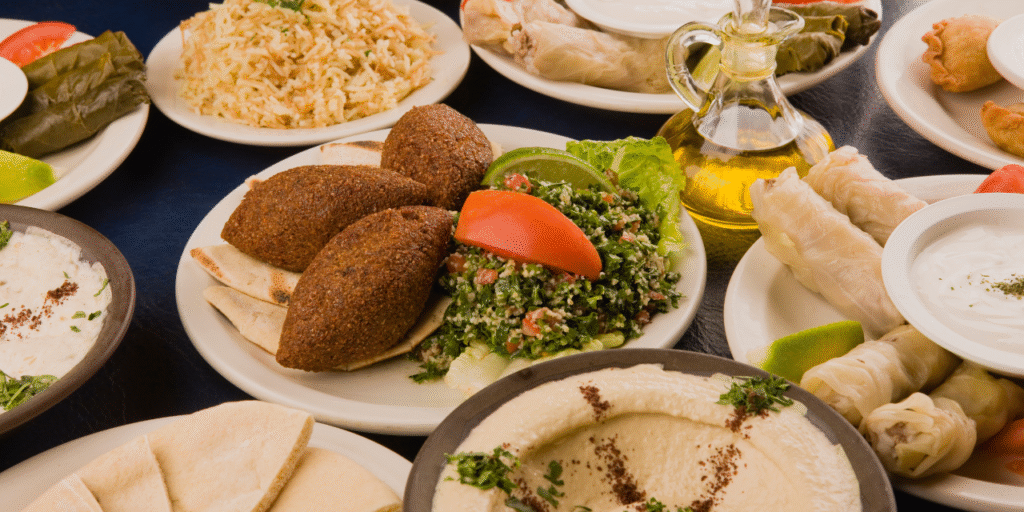
The average traveler spends $15–$40 per day on food in Egypt, though you could easily survive on $10 or splurge $100+. To break it down more clearly, here’s what food costs look like across different budgets:
Street food in Egypt is legendary and costs next to nothing. Vegetarian meals, local food, and street food can average as little as $1 to $2 per meal. Falafel sandwiches cost roughly $1 per sandwich. Street food or fast food costs around 20-30 EGP (approximately $1.20-$1.80) per meal.
Must-try budget options include koshari (Egypt's national dish of rice, pasta, and lentils), fuul (bean stew), shawarma, and ta'amia (Egyptian falafel). Budget travelers can easily eat for $5–$15 per day.
Casual dining or local restaurants cost around 50-100 EGP ($3-$6) per meal, while mid-range restaurants run around 150-300 EGP ($9-$18) per meal. Expect to spend $15–$40 per day eating comfortably at this level.
High-end or luxury restaurants cost around 500-1000 EGP ($30-$60) per meal. Fine dining in Egypt features gourmet Egyptian and international cuisine, with upscale restaurants costing anywhere from 500 to 3,000 EGP (~$16-$100) per person.
Coffee at local cafés costs around $1–$3, while Western-style coffee shops charge $3–$6. Bottled water is extremely cheap (around $0.30–$0.50). A beer costs on average around £1.82 (approximately $2.30) in Egypt. Note that Egypt is a Muslim country, so alcohol is less readily available outside tourist areas.
Getting around Egypt is very affordable, but the experience can feel hectic, especially in big cities like Cairo. Public transport, ride-hailing apps, and long-distance trains make it easy to move around, though traffic, crowds, and inconsistent schedules are part of daily life.
Buses and mini-buses are even cheaper, though they can be confusing for newcomers; long-distance buses, such as Cairo–Alexandria, cost around 60 EGP (~$3.50).
But as of 2025, foreigners pay a higher tier, so a journey that once cost about $7 now often costs closer to $20. Overnight sleeper trains to Luxor and Aswan are pricier but include a private cabin, bed, and meals.
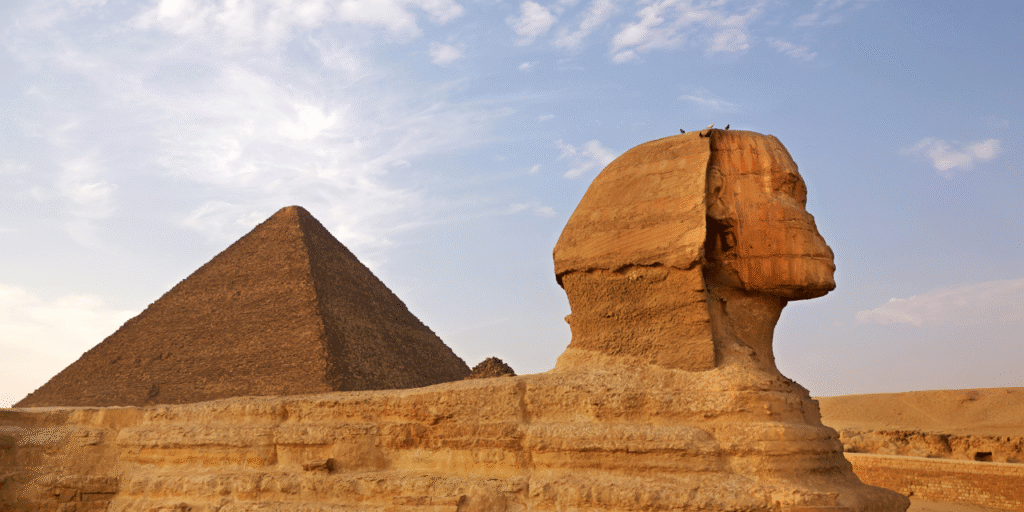
Egypt's ancient sites charge entrance fees that can add up quickly if you're visiting multiple attractions. Here's what to budget for the major landmarks.
Walking around Islamic Cairo and the Khan el-Khalili bazaar is free. Watching sunset over the Nile costs nothing. Many mosques and churches are free to enter. Wandering through local markets and neighborhoods provides authentic cultural experiences without spending a pound.
Timing your trip well can save you a lot on flights, tours, and hotels, since Egypt’s tourism demand changes dramatically throughout the year.
Winter is Egypt’s busiest and most expensive period, with perfect sightseeing weather and huge crowds at top attractions. Temperatures are mild (14°C–25°C / 57°F–77°F), making it ideal for Cairo, Luxor, and Aswan. Expect higher prices, especially around Christmas, New Year, and mid-February (school holidays).
These months offer the best balance: warm but comfortable weather, lighter crowds, and noticeably lower prices on hotels and tours. Daytime temperatures hover in the low 80s°F (mid-20s°C), perfect for temples and desert sites. This is arguably the sweet spot for traveling Egypt on a budget while still enjoying great weather.
Summer is Egypt’s low season for international tourists due to intense heat, especially in Luxor and Aswan, where temperatures can exceed 40°C (104°F). Prices drop sharply for hotels, cruises, and flights.
However, the Red Sea (Hurghada, Sharm El Sheikh) stays very popular during summer because of sea breezes, and the North Coast (Sahel) becomes Egypt’s main domestic beach season from June to August.
Special notes to keep in mind:
Staying connected in Egypt is essential for navigation, translation apps, and keeping in touch with home. Roaming charges from your home carrier can be expensive (sometimes $10+ per day) so consider these alternatives.
Free WiFi is available at hotels, cafés, and some tourist sites, but it's often slow and unreliable. For consistent connectivity, a SIM card or eSIM is highly recommended.
Before you pack your chargers, check out Egypt Plug Types.
Egypt is generally considered very affordable for most travelers, especially when compared to Western countries. Food, transportation, and local experiences are inexpensive, though tourist sites and guided tours can raise your overall budget.
No, tap water in Egypt is not safe to drink, and both locals and expats strongly advise against it. Even Egyptians typically rely on bottled or filtered water, since the tap supply is heavily chlorinated and may contain contaminants that can cause stomach issues.
A one-week trip to Egypt typically costs $700–$2,500 per person, depending on your travel style, the season, and whether you choose budget stays or splurge on things like Nile cruises and luxury hotels.
Most travelers spend $700–$1,500 for a comfortable 7-day trip, including mid-range hotels, domestic transport, and food. Costs increase if you add high-end tours, internal flights, or a Nile cruise, which can push the total above $2,000.
For many travelers, Egypt remains one of the cheaper international destinations, especially given recent currency conditions. Daily expenses like food, taxis, and local attractions are particularly cost-effective.



Our mission is simple: to make sure you never have to ask, “What’s the WiFi password?” again. All our tips come straight from personal experience — because we’d never recommend something we haven’t put to the test ourselves.
Reviews