
Ready to embark on your Mexican adventure? Whether you're seeking urban excitement or serene nature,...


Travel Guides
On average, a one-week trip to Japan costs between $1,225 and $2,370, while a two-week trip usually ranges from $2,500 to $3,500. This guide breaks down flight prices, accommodation, food, transportation, activities, and practical ways to save money while traveling in Japan.

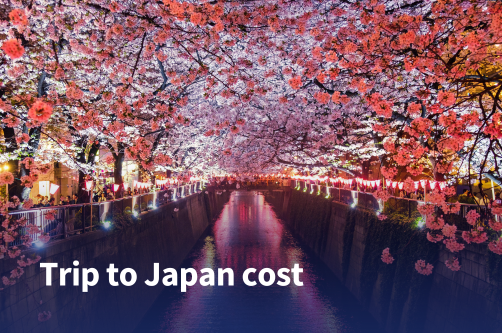
The total cost of a trip to Japan depends on your travel style, the time of year, and your choices for accommodation, food, and activities. A 1-week trip usually costs $1,225 to $2,370, and a 2-week trip averages $2,500 to $3,500. This guide breaks down flights, hotels, daily expenses, transportation, and ways to save money during your trip.
Flight prices to Japan vary widely depending on where you’re flying from, the season, the airline, and how early you book.
As with most international routes, flight costs shift based on peak seasons (March–April and October–November), airline competition, and how far in advance you book.
Off-season months like May, early June, and late winter often offer better deals. To save on flights to Japan:
Accommodation prices in Japan vary depending on travel style, season, and location.
Major cities like Tokyo, Osaka, and Kyoto generally cost more than smaller towns or rural prefectures due to higher demand and living costs.
Below are typical nightly price ranges across budget, mid-range, and luxury options, based on multiple travel sources.
These include hostels, guesthouses, capsule hotels, and basic dorm-style rooms.
These include business hotels, 2–3 star hotels, boutique hotels, and mid-range Airbnbs.
These include 4–5 star hotels, upscale ryokan, luxury resorts, and private villas.
Japan offers accommodation options for every budget, from $20 hostels to luxury stays above $600 per night.
Prices vary widely depending on region and season: staying in smaller cities like Fukuoka, Kanazawa, or Matsumoto is often significantly cheaper than staying in Tokyo or Osaka, with capsule hotels and hostels outside major cities costing about 20%–30% less on average.
Rates also rise sharply during cherry blossom season, autumn foliage season, Golden Week, and New Year, while late winter and early summer offer lower prices and better availability.
Food prices in Japan vary depending on where you choose to eat and the type of dining experience you prefer. Below is a breakdown of typical food costs for different travel styles.

This category includes meals from street food stalls, convenience stores, and simple budget restaurants that offer affordable options for travelers.
This tier includes casual restaurants, small local eateries, and popular domestic chains that provide sit down meals at moderate prices.
This category includes fine dining restaurants, premium establishments, and multi course tasting menus that offer a high end culinary experience.
Most travelers spend ¥3,000 to ¥6,000 (~$20 to $41) per day on food in Japan.
This daily budget usually includes items like coffee, which costs around ¥400 to ¥600 (~$3 to $4), snacks and convenience store items ranging from ¥300 to ¥800 (~$2 to $5), and alcohol in casual bars, which typically costs ¥500 to ¥1,000 (~$3 to $7).
Budget travelers can keep costs low with convenience store meals and street food, while mid-range and luxury travelers will spend more when dining at sit-down restaurants or premium establishments.
Japan offers a wide variety of reliable transport options, from local metros and buses to high-speed trains and rental cars, making it easy to travel both within cities and across regions.
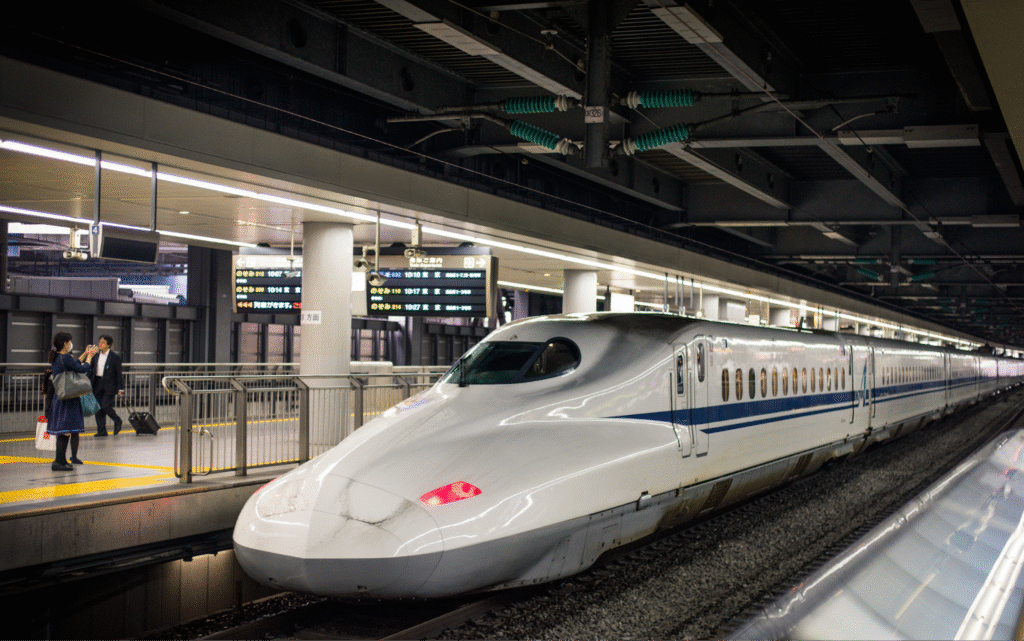
Below is an overview of common transportation methods and their typical costs, depending on how you plan to get around.
Japan offers a wide range of paid and free activities, from historic temples and museums to cultural workshops and theme parks.
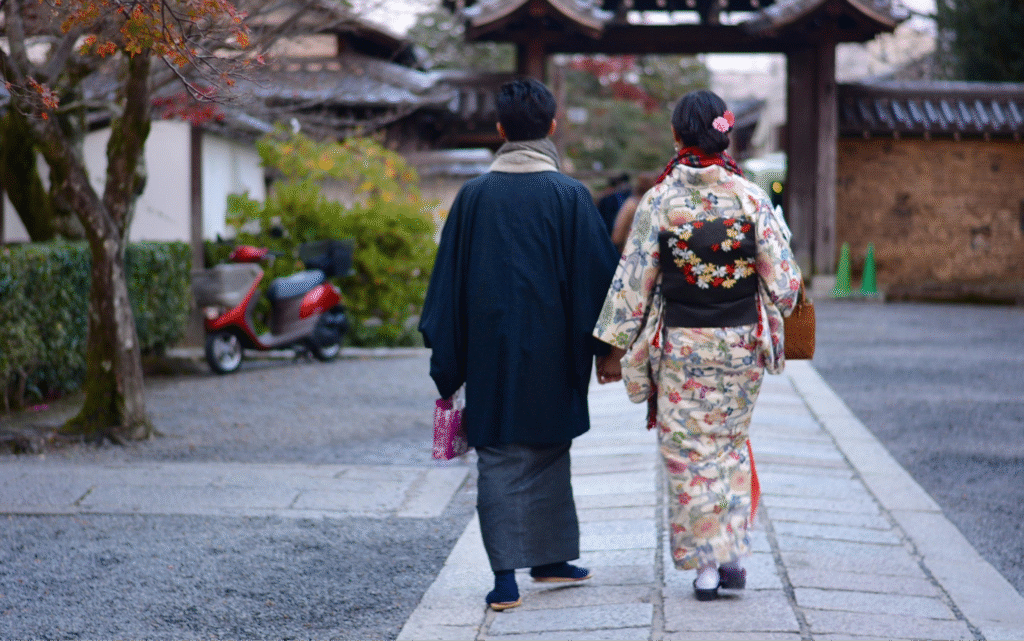
For travelers who want a deeper appreciation of the country, our Japan fun facts page highlights unique cultural details and surprising insights.
Japan offers many excellent free activities, especially helpful for budget travelers.
You can explore neighborhood shrines and temple grounds, walk historic districts, enjoy public parks, visit free museum areas, hike scenic trails, or attend seasonal festivals at no cost.
These options make it easy to experience local culture without spending much.
Japan’s travel seasons affect prices, weather, and crowd levels. Understanding peak, shoulder, and low seasons can help you find better deals on flights and hotels.
Staying connected in Japan is easy, with several reliable options for visitors. International data roaming works but is often expensive, especially for heavy data use, so most travelers choose a local alternative to save money and get faster speeds.
The three most common options are eSIMs, local SIM cards, and pocket WiFi.
eSIMs are the simplest for travelers since you can activate them before landing.
Holafly offers unlimited data plans, making it a strong choice for travelers who rely heavily on navigation and social apps.
Other popular eSIM providers such as Airalo, Nomad, and Ubigi offer flexible data packages that work well for shorter stays or lighter usage.
Local SIM cards are available at airports and convenience stores and offer good value for short stays.
Pocket WiFi devices are great for groups, letting multiple people share one connection throughout the trip.
A 7-day trip to Japan typically costs $1,000 to $2,100 for mid-range travelers, not including flights. With flights added, the total usually comes to $1,800 to $3,000 depending on season and departure city.
The cheapest months to visit are typically January, February, and early June. These periods have lower demand, cheaper flights, and better hotel deals.
A one-week trip for two people usually costs between $3,000 and $5,000 including flights, mid-range hotels, food, and transportation. The total can be lower if you travel off-season or choose budget accommodations.
Yes, $100 a day is enough for budget travel if you use public transit, eat inexpensive meals, and avoid pricey attractions. It may feel tight in big cities like Tokyo but is doable with planning.
Japan accepts cards widely, especially in cities, but many small shops and local eateries still prefer cash. A mix of both is ideal, so you’re covered everywhere.
Yes, $5000 is enough for most one- to two-week trips to Japan, even with mid-range hotels and daily activities. Your total cost will depend on flights, travel style, and how much you spend on shopping or tours.
Most travelers spend between $1,500 and $3,000 per week including flights, hotels, food, and transportation. Budget travelers can spend much less, while luxury travelers will spend more.



Our mission is simple: to make sure you never have to ask, “What’s the WiFi password?” again. All our tips come straight from personal experience — because we’d never recommend something we haven’t put to the test ourselves.
Reviews