

Sweden uses Type C and Type F plugs, the standard round-pin outlets used across most of continental ...


Packing smart means less stress and more freedom to enjoy your trip. This isn't about bringing everything "just in case", it's about bringing the right things that work hard for you.
These 15 items have proven themselves essential for women travelers, whether you're backpacking through Southeast Asia, exploring European cities, or heading to a beach resort.
Your bag is your home on the road. The ideal carry-on should weigh next to nothing when empty and have multiple compartments for your laptop, toiletries, dirty laundry, and quick-access items like your passport.
Choosing between backpack and rolling bag? Cobblestone streets, unpaved roads, and lots of stairs favor backpacks. Smooth airports and hotel lobbies work fine with wheels. Many seasoned travelers prefer backpacks that open clamshell-style so you can see everything at once without digging through layers.
Pro tip: Before buying, load your bag with what you'd actually pack and walk around the store for 10 minutes. Comfort problems that seem minor will become major after hours of travel.
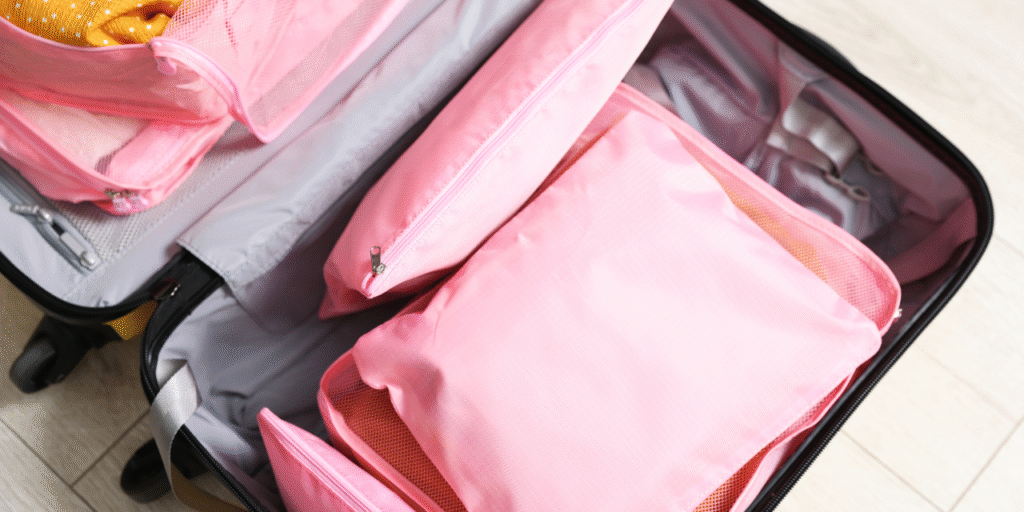
Packing cubes let you pack by outfit, clothing type, or activity. Tops in one cube, bottoms in another, underwear in a smaller pouch. When you arrive, simply pull out the cubes and put them in a drawer.
Compression packing cubes squeeze out extra air and can reduce the volume of soft items by up to 60%. If you're fitting two weeks into a carry-on, compression cubes are essential.
Bulky full-size bottles waste space and violate TSA's 3-1-1 rule (3.4 ounces per container, all in one quart-sized clear bag, one bag per passenger).
The best containers are silicone, they're squeezable so you can get every last drop, won't crack like hard plastic, and are easy to refill. Choose ones with labels or different colored caps so you don't wash your hair with body lotion at 6 AM.
Leak prevention matters. Nothing ruins a trip like finding your moisturizer exploded over everything. Look for secure flip-top or screw-on lids. Some travelers put plastic wrap under the cap before screwing it on for extra security during flights.
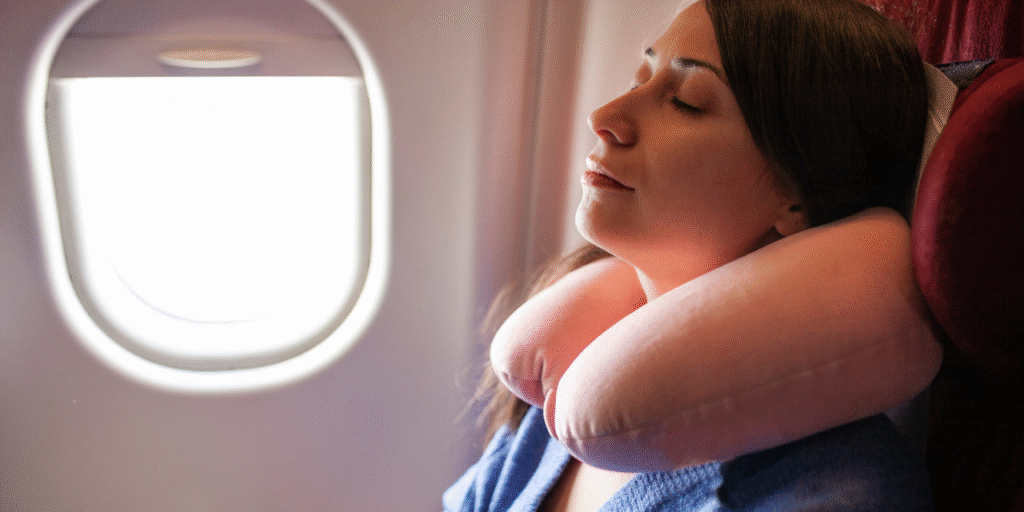
A good travel pillow prevents that horrible head-bob-wake-up cycle and lets you actually get restorative sleep on planes, trains, and buses. This matters not just for comfort, but for arriving at your destination functional instead of zombie-like.
Memory foam pillows conform to your neck shape. Inflatable pillows pack smaller but feel less substantial. Newer wrap-around designs support your chin and prevent forward head-fall, which is brilliant for people who struggle with traditional U-shaped pillows.
What most people don't consider: Your sleeping position. If you sleep tilted to one side, you need a pillow higher on that side. There's no universal "best" pillow, only the best one for how you actually sleep.
For women travelers, a scarf is a Swiss Army knife of usefulness.
On the plane, it's a blanket. In a cold restaurant, it's a shawl. At a temple or church requiring covered shoulders, it's instant modesty. Walking through a sunny outdoor market? Drape it over your head for sun protection.
Choose lightweight, breathable fabric: viscose, cotton-silk blends, or bamboo. Go for at least 70 inches long but thin enough to fold into a small square.
Color strategy: Neutral colors work with almost any outfit. But a brightly colored or patterned scarf can make the same outfit look completely different in photos (useful when photographing at multiple landmarks).
Compression socks sound unsexy and old-fashioned. They're also one of the smartest things you can pack for flights over four hours.
On long flights, blood pools in your lower legs, causing swelling, discomfort, and, in rare but serious cases, increasing your risk of deep vein thrombosis. Compression socks apply graduated pressure that helps blood flow back toward your heart. You land with normal ankles instead of puffy elephant feet.
Who needs them most: Anyone on flights over 6 hours, anyone with circulation issues, pregnant women, and anyone who's experienced significant leg swelling after flying.
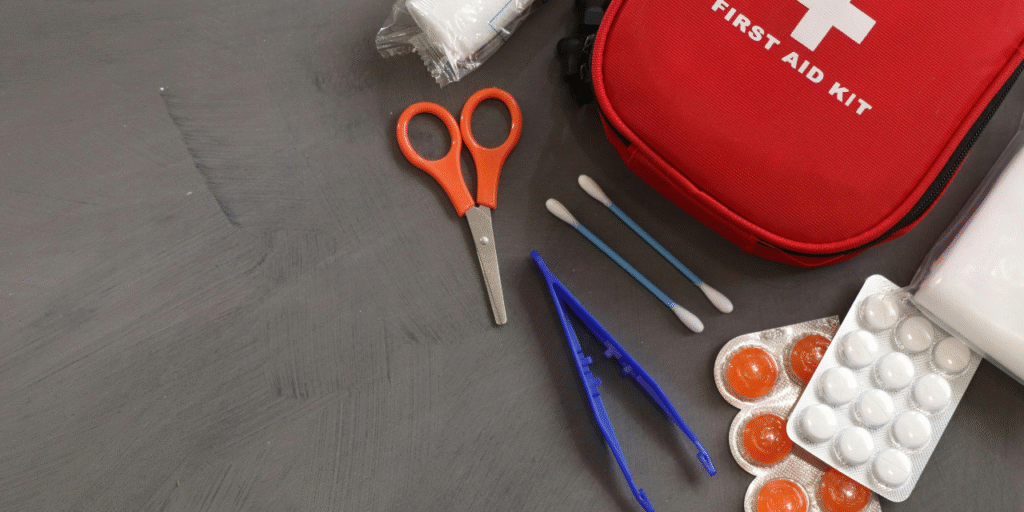
Your mini kit should include pain relievers, anti-diarrhea medication, antacids, antihistamines for allergies or bug bites, and bandages in various sizes.
Women-specific additions: Period products are non-negotiable. Even if you're not expecting your period, travel stress, time zone changes, and altered eating patterns can throw off your cycle.
Packing strategy: Keep this kit in your personal item, not checked luggage. If you need medication during a flight or your luggage gets lost, you want these essentials within reach.
Planes are notoriously dehydrating. Cabin humidity hovers around 10-20%, drier than most deserts. Your skin, lips, and nasal passages feel it.
Pack travel-sized moisturizer, lip balm (with SPF), hand sanitizer, and facial mist. Deodorant wipes can refresh you during long layovers without needing a full shower.
Airplane skin survival: Apply moisturizer before boarding, skip heavy makeup that can clog pores during flights, drink way more water than you think you need, and apply lip balm hourly. Your skin will thank you when you land.
Solo female travelers especially benefit from these small but powerful safety tools.
A portable door lock reinforces your hotel room door from the inside. Even if someone has a key, a hotel employee, or a previous guest with a copied key, they can't open the door. It takes seconds to install and removes easily when you leave.
Start with a neutral color palette: black, white, navy, tan, gray. Any top works with any bottom, creating a week's worth of outfits from a handful of items.
Fabric matters enormously: Look for wrinkle-resistant materials like merino wool (naturally odor-resistant too), synthetic travel blends, or modal. Avoid pure cotton, it wrinkles badly and takes forever to dry if you hand-wash it.
Your shoes can make or break a trip, literally. Blisters, aching arches, and sore knees ruin more travel days than delayed flights.
Bring two pairs maximum. One should be your primary walking shoe, something you can wear for 10+ miles without pain. Break these in thoroughly before your trip; never travel with brand-new shoes.
The second pair serves a different function: sandals for warm weather, dressier flats for dinners, or waterproof boots for rainy destinations.
Also, wear your bulkiest shoes while traveling to save luggage space. Stuff packed shoes with socks so they don't get crushed.
Sun damage happens everywhere, not just beaches. City walking, outdoor markets, boat tours, and café terraces all expose you to UV rays.
Pack a hat with a brim at least 3 inches wide, packable hats that roll or fold without permanent damage are perfect. Sunglasses should be labeled "100% UV protection" or "UV400."
Sunscreen strategy: Bring enough for your entire trip or verify you can buy it at your destination. Sunscreen is expensive in many Asian and European countries. Apply every morning, even on cloudy days, up to 80% of UV rays penetrate clouds.
Your phone is your camera, map, translator, boarding pass, and emergency device. When it dies, you're in trouble. A 10,000-20,000 mAh power bank is the sweet spot, enough to fully charge most smartphones 2-3 times without being too heavy.
Airline rule: Power banks must go in carry-on luggage (never checked bags) on all airlines. Most allow up to 100 Wh, which covers a 20,000 mAh bank.
The US uses different plugs than the UK, Europe, Australia, and Japan. Without an adapter, your chargers are useless. A universal adapter has multiple plug configurations for most countries. Some include USB ports for charging multiple devices from one outlet.
Important distinction: Adapters change plug shape. Converters change voltage. Most modern electronics (phones, laptops, cameras) are dual-voltage and need only an adapter. Hair dryers and curling irons may need a converter or just buy cheap versions at your destination and leave them behind.
Attach a tracking tag to your checked luggage, and you can see exactly where it is, even when the airline claims they don't know. This has helped countless travelers recover lost bags faster.
Beyond luggage: Some travelers attach tags to purses or daybags for peace of mind in crowded areas.
Bear in mind that tags work via Bluetooth and a network of other devices, so they're most effective in populated areas. Battery life is typically about a year.
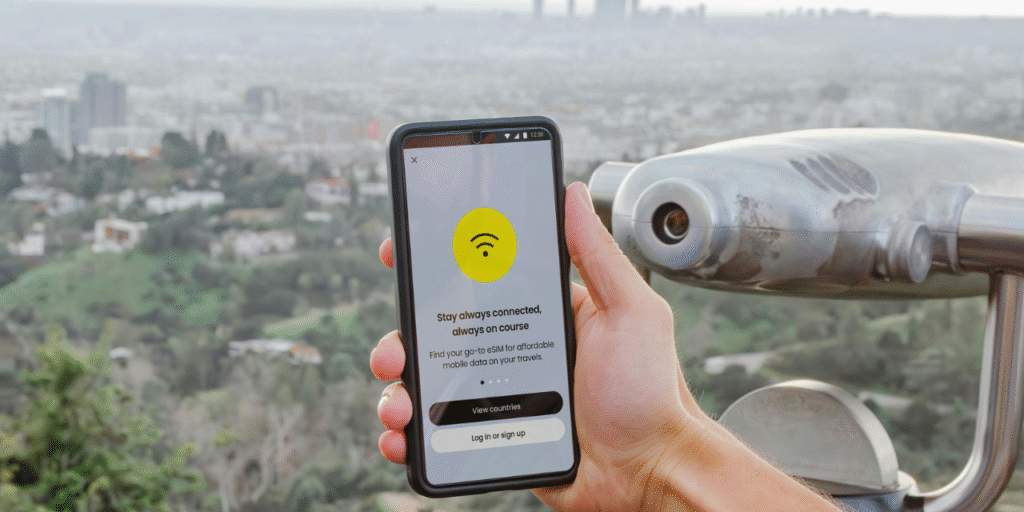
Staying connected while traveling isn't just about posting photos, it's about navigation, safety, booking confirmations, translation apps, and emergency communication.
An eSIM is a digital SIM card downloaded directly to your phone - no physical chip, no swapping SIMs, no hunting for a shop at the airport.
Traditional options have drawbacks: international roaming is expensive (sometimes $10+ per day), local SIM cards require finding shops and navigating language barriers, pocket WiFi is another device to carry and charge.
You purchase and install your plan before leaving home. The moment your plane lands, you're connected. No surprise charges, no struggling with tiny SIM trays.
You keep your home number active for calls and texts while eSIM handles data. If you run out, purchase more instantly from your phone.
eSIMs work well for: Navigation apps, messaging, booking confirmations, translation apps, and solo travel safety (sharing location with family).
Before purchasing, verify your phone is eSIM-compatible (most phones made after 2019 are). You can quickly check compatibility using this resource here: Which iPhones and iOS devices support eSIM.
Pack by choosing versatile clothing, organizing items in cubes, and keeping essentials accessible. Aim to take only what you truly need to keep your luggage light and manageable.
In carry-on luggage, liquids and aerosols must be 100ml or less, so a 200ml deodorant is not allowed unless checked in. If you put it in checked baggage, 200ml is normally permitted.
Common essentials include toiletries, comfortable clothing, chargers, medications, and any personal care items. Tailor the list to your destination and activities to avoid overpacking.
The 5-4-3 rule suggests packing 5 tops, 4 bottoms, and 3 pairs of shoes to simplify outfit planning. It helps create many mix-and-match combinations with minimal clothing.
The most essential item is usually a passport/ID and necessary documents or digital backups. Without these, travel plans can break down regardless of what else you packed.
The 3-3-3 rule typically refers to dividing a long flight into three-hour mental segments to make it feel shorter. It’s a simple mindset strategy to stay comfortable and patient during long travel times.



Our mission is simple: to make sure you never have to ask, “What’s the WiFi password?” again. All our tips come straight from personal experience — because we’d never recommend something we haven’t put to the test ourselves.
Reviews