
Before traveling to Guatemala, it’s worth double-checking your charging setup. The country uses Ty...


Travel Guides
Before traveling to Belgium, it’s important to check your charging setup. The country uses Type C and Type E power plugs with a 230V, 50Hz electrical system, so travelers from the United States will need a plug adapter to use their devices. Follow our complete guide to stay powered up and connected throughout your Belgian adventure.


During my trip to Belgium, I quickly realized that having the right charging setup is essential. The country primarily uses Type C and Type E plugs, which are different from those in the U.S., U.K., and Canada, so most travelers from these regions will need a plug adapter.
Belgium’s electrical system runs on 230 V at 50 Hz, so most modern devices work without issue, though some electronics may need a voltage converter. Knowing this in advance helps you stay connected without last-minute hassle.
In Belgium, the most common outlets use Type C and Type E plugs, so knowing this ahead of time can save you from scrambling for an adapter. From my experience, these two types cover almost every hotel, café, and public area.
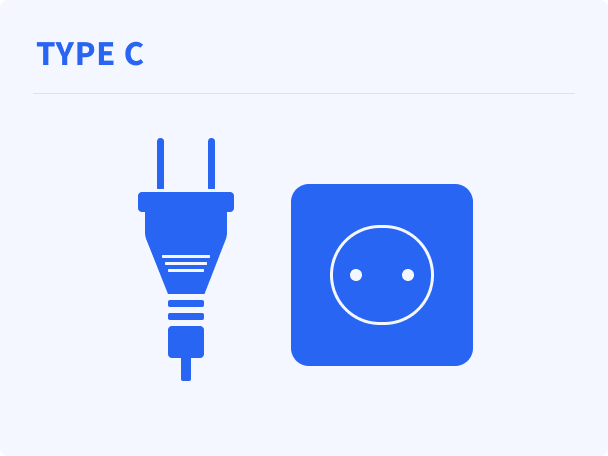
Type C plugs have two round pins and are ungrounded, making them suitable for most modern electronics like phone chargers and laptops. They are especially common in older buildings and public areas, so carrying a Type C adapter will cover many situations.
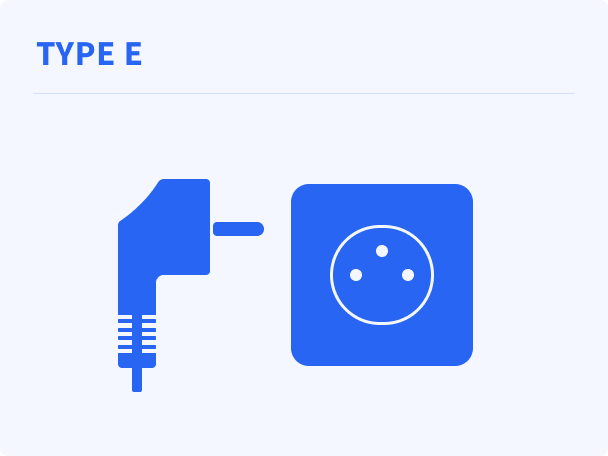
Type E plugs are similar to Type C but include a round grounding hole for safety and higher-power appliances. I saw these in newer hotels and offices, and while many devices still fit Type C adapters, having a Type E adapter ensures full compatibility for items like hairdryers or laptop chargers.
Before I traveled to Belgium, I made sure to pick up a few reliable plug adapters so I wouldn’t get stuck without a way to charge my devices. There are plenty of options available online and in stores, but I found that certain brands stood out for quality and versatility.
The EPICKA Universal Travel Adapter worked well for my trip, supporting Type C and Type E plugs along with most global plug types. With four USB ports, it made charging multiple devices at once easy without needing extra adapters.
It’s compact and travel-friendly, fitting easily into my backpack without taking up much space. I also felt confident using it with higher-power devices like my laptop charger, which worked without any issues.
I also used the Ceptics 3‑in‑1 European Travel Plug Adapter (CTU‑9C), which is designed for European countries using Type C plugs, including Belgium. It’s compact, reliable, and perfect if you want an adapter that also provides USB‑A and USB‑C charging ports for multiple devices.
The adapter fit snugly into all outlets I encountered, from hotels to cafés, and was very convenient for charging my phone, tablet, and other small electronics at the same time. Its compact size made it easy to carry without taking up space in my bag.
For a more feature-rich option, I brought the BESTEK Universal Travel Adapter. It works with Type C, Type E, and many other plug types worldwide, and it comes with built-in voltage conversion for devices that aren’t dual-voltage.
I found this particularly useful for smaller electronics or appliances that needed a voltage converter, like a hairdryer or electric shaver. It’s a bit larger than the other adapters, but the extra functionality made it worth the space in my bag.
The Baseus EnerCore CG11 is another versatile option. It supports plug types used in Belgium (including Type C and Type E) and many other regions, and it includes a built-in retractable USB‑C cable plus USB‑A ports, so I could charge several devices from one compact unit.
This adapter was especially handy when I needed to charge my phone, tablet, and laptop at the same time without carrying multiple adapters. Its compact design also fit neatly in my travel bag, making it a great all-in-one solution.
Belgium uses a 230 V, 50 Hz electrical system with Type C and Type E plugs (two round pins, with Type E having a grounding hole). In most cases, you do not need a voltage converter, but you will need the correct plug adapter depending on where you’re traveling from.
If you’re coming from the U.S. or Canada:
You’ll need a plug adapter because North American plugs (Type A or B) don’t fit Belgian outlets. A voltage converter is not needed for phones, tablets, laptops, and cameras, as these devices usually support 100–240 V.
High-power items like hair dryers or curling irons may require a converter or should be left at home. From my experience, bringing a small travel-friendly hair dryer with dual-voltage support worked perfectly.
If you’re coming from the U.K.:
You’ll need a plug adapter because the U.K. uses Type G plugs, which are different from Belgian sockets. A voltage converter is not required for most modern electronics, as they are dual-voltage.
If you’re coming from most of Europe:
You typically don’t need a plug adapter because many European plugs (Type C) fit directly into Belgian outlets. A voltage converter is also not necessary for everyday electronics like phones, laptops, or cameras.
If you’re coming from Australia or New Zealand:
You’ll need a plug adapter because these countries use Type I plugs, which don’t match Belgian sockets. A voltage converter is usually not needed for personal electronics.
There are typically four main ways to get internet in Belgium: using data roaming through your home carrier, installing an eSIM, buying a local SIM card, or renting a pocket WiFi device, each suited to different travel needs and budgets.
1. Roaming
Data roaming allows you to use your home mobile plan abroad by connecting to Belgian mobile networks, but costs can add up quickly. Major U.S. carriers like Verizon and AT&T usually charge $12 - $20 per day for data roaming in Belgium, while T-Mobile includes limited high-speed data on some plans before speeds are reduced.
2. eSIMs
eSIMs are digital SIM cards that activate instantly without a physical card, making them a hassle-free option with no documents or store visits required. Holafly is best for unlimited data, while providers like Airalo offer flexible prepaid plans that work well for shorter trips or moderate data use.
3. Local SIM Cards
Local SIM cards for Belgium are physical SIMs purchased in mobile stores, airports, or convenience shops. They often provide good value for longer stays, but they require an unlocked phone and some setup, which may be inconvenient if you want to get connected immediately.
4. Pocket WiFi
Pocket WiFi devices create a portable hotspot you can carry with you and share across multiple devices. This option is ideal for families or groups, though it requires charging the device daily and is usually more expensive than eSIMs or local SIM cards.
Power plug types vary around the world, so travelers often need different adapters depending on their destination. Knowing the most common plug types makes it easier to choose the right travel adapter before you go.
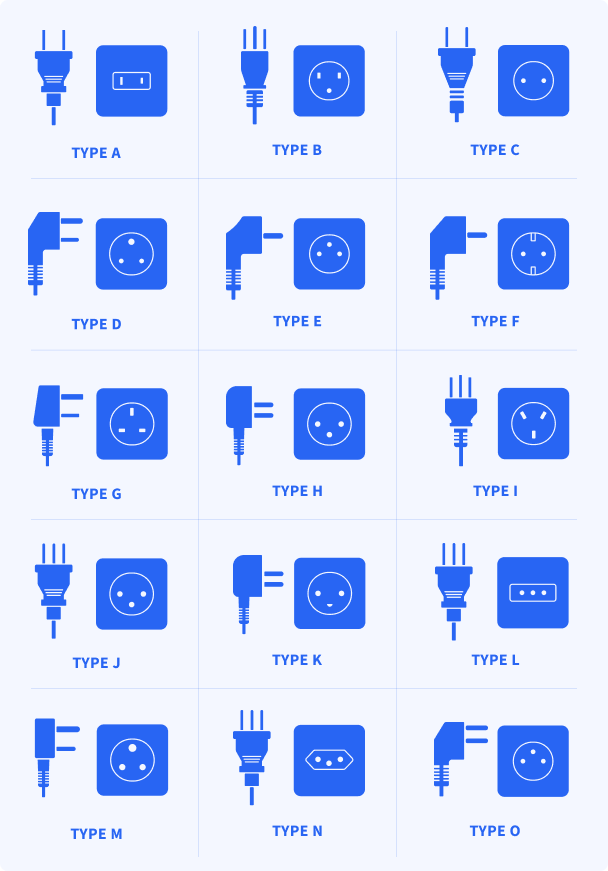
This list helps travelers quickly see which plug type is used in each popular destination so they can pack the right adapters.
A Belgian plug typically has two round pins. Type C plugs are ungrounded, while Type E plugs include a round grounding hole that connects to a grounding pin in the socket.
Yes, Belgium uses standard European plug types, specifically Type C and Type E. These are commonly found across much of mainland Europe.
You’ll need a Type C or Type E plug adapter for Belgium. A universal travel adapter that supports European plugs is usually the easiest and most flexible option, especially if you plan to visit multiple countries.
No, Canada uses the same plug types as the U.S. (Type A and Type B). Since Belgium uses Type C and Type E plugs, Canadian travelers will need a plug adapter.
No, Belgium and the U.K. use different plug types. The U.K. uses Type G plugs with three rectangular pins, which are not compatible with Belgian outlets. Travelers from the U.K. will need a plug adapter for Belgium.
No, Belgium does not use the same plugs as the United States. The U.S. uses Type A and Type B plugs with flat pins, while Belgium uses Type C and Type E plugs with two round pins, so a plug adapter is required.

The best global eSIM provider
From $2.3/week
A reliable eSIM provider for budget travelers
From $2.4/week
The best global eSIM provider
From $2.3/week
A reliable eSIM provider for budget travelers
From $2.4/week


Our mission is simple: to make sure you never have to ask, “What’s the WiFi password?” again. All our tips come straight from personal experience — because we’d never recommend something we haven’t put to the test ourselves.
Reviews