
Tokyo’s mix of tech, culture, and top-tier infrastructure makes it a top pick for digital nomads. ...


Travel Guides
Traveling to Chile? It’s smart to check your charging setup. The country uses Type C and Type L plugs with a 220V, 50Hz electrical system. Depending on where you’re coming from, you may need a plug adapter or voltage-compatible devices. This guide explains everything you need to know to stay powered during your trip.

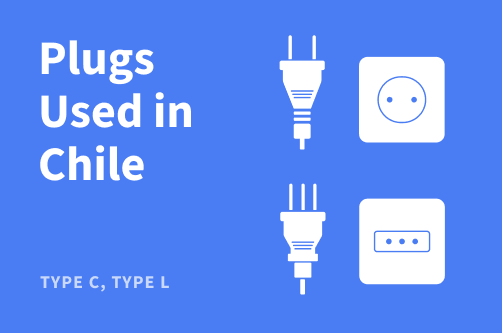
While preparing for my trip to Chile, I quickly learned that its electrical system is different from what many travelers might be used to. Power outlets accept Type C and Type L plugs, which aren’t compatible with the sockets found in countries like the United States, United Kingdom, or Canada.
Chile runs on 220V at 50Hz, and most everyday devices work without any issues if they support dual voltage. For others, a plug adapter is sufficient, while higher-wattage appliances may require a voltage converter.
Chile mainly uses Type C and Type L plugs. Knowing what plug to expect makes traveling with electronics easier. I noticed both types are common in hotels, hostels, and public spaces. Having an adapter ready before arrival really helped.
Type C is the classic European plug I saw most in older buildings and small accommodations. It has two round pins, no grounding, and a slim, compact design. It fits easily into most European-style sockets, including Type E and Type F.
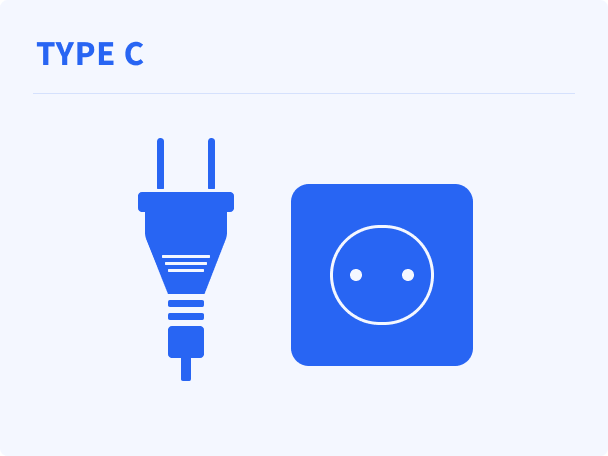
Type C’s simple, ungrounded design makes it ideal for low-power electronics like phone chargers, cameras, and laptops. From my experience, it handled everyday charging with no problems. I avoided using it for high-power appliances, such as hair dryers or irons, which need a more robust plug.
Type L is less common, but I found it in newer buildings and some hotels. It has three round pins in a line. There are two sizes: small (10A) and large (16A). The grounding pin makes it safe for devices that need more stability.
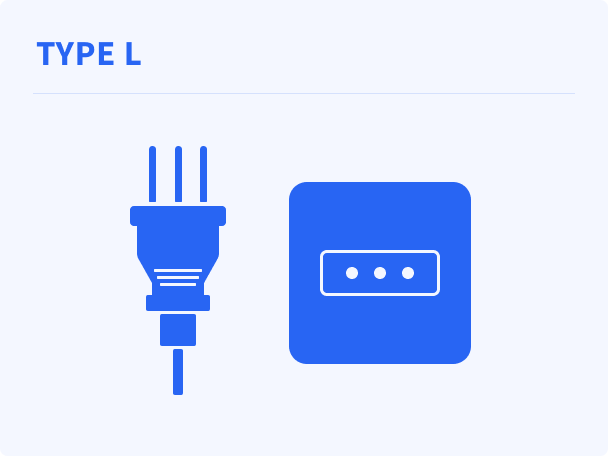
I mostly used Type L for laptops and small kitchen appliances. It feels sturdy and handled higher-power electronics better than Type C. I still checked device voltage to avoid needing a converter for anything that didn’t support 220V.
Before heading to Chile, I learned that a good travel adapter makes life much easier. An adapter with multiple USB ports or universal plugs keeps all your devices powered. It saves time and avoids the hassle of searching for compatible outlets.
A versatile universal adapter that fits outlets in over 200 countries. Comes with multiple USB‑A and USB‑C ports so you can charge several devices at once. It’s compact and travel‑friendly, perfect for phones, tablets, power banks, and more.
A 6‑in‑1 international travel adapter with a built‑in retractable USB‑C cable and extra USB‑A ports. It works in over 200 countries and supports multiple plug styles, including those needed in Chile. Great for charging several devices at once while keeping your bag clutter‑free.
This adapter is designed for Type L sockets used in Chile and Italy. It is compact and simple. It lets you plug devices from other regions into Type L outlets. Works well for phones, tablets, and most dual-voltage electronics.
This adapter works in over 220 countries. It has two USB-C ports and one USB-A port for fast charging. The plug types adjust to fit outlets worldwide. It does not convert voltage. Devices must support 100–240 V to use safely.
Chile uses 220 V, 50 Hz and Type C and Type L plugs. Most modern devices handle this voltage, so you usually do not need a converter. You still need the correct plug adapter depending on where you are coming from.
If you’re coming from the U.S. or Canada:
You need a plug adapter because Type A and B plugs do not fit Chilean outlets. Phones, tablets, laptops, and cameras usually work with 220 V, so you can use them without a converter. You may need a converter for high-power devices, unless they support dual voltage.
If you’re coming from the U.K.:
You need a plug adapter for Type G plugs. Most modern electronics support dual voltage, so you can use them without a converter.
If you’re coming from most of Europe:
Type C plugs work in Chile, so you usually do not need a plug adapter. You can use your phones, laptops, and cameras without a voltage converter.
If you’re coming from Australia or New Zealand:
You need a plug adapter for Type I plugs. Most personal electronics work without a converter. Only high-power appliances may require one.
When I visited Chile, I found there are four main ways to stay connected. You can use data roaming from your home carrier, activate an eSIM, buy a local SIM card, or rent a pocket Wi‑Fi device. Each option fits different budgets, trip lengths, and how many devices you need online.
1. Roaming
Data roaming lets you use your existing mobile plan while in Chile by connecting to local networks. I noticed that U.S. carriers like AT&T often charge about $12 to $20 per day for roaming in Chile. It works right away after landing, but costs can add up on longer trips.
2. eSIM
eSIMs are digital SIM cards that activate instantly. You do not need a physical card, store visit, or documents. Holafly is best for unlimited data, while Airalo offers flexible prepaid plans for short trips or moderate data use. They are hassle-free and ready right after activation.
3. Local SIM cards
Local SIM cards for Chile are physical SIMs you can buy at airports, mobile stores, or convenience shops in Chile. They usually include data, calls, and texts, and offer good value for longer stays. Major providers like Entel, Movistar, and Claro have prepaid options for tourists. You need an unlocked phone and a short setup to start using them.
4. Pocket WiFi
Pocket Wi‑Fi in Chile creates a portable hotspot you can carry with you. It lets you connect several devices at the same time. Companies like Tep Wireless and Rent ‘n Connect offer prepaid plans with daily or unlimited data. The device needs regular charging and usually costs more than an eSIM or local SIM card.
Countries use different plug types and voltages. This can make charging devices tricky for travelers. Knowing the main plug types before you go helps you keep your electronics powered wherever you are.
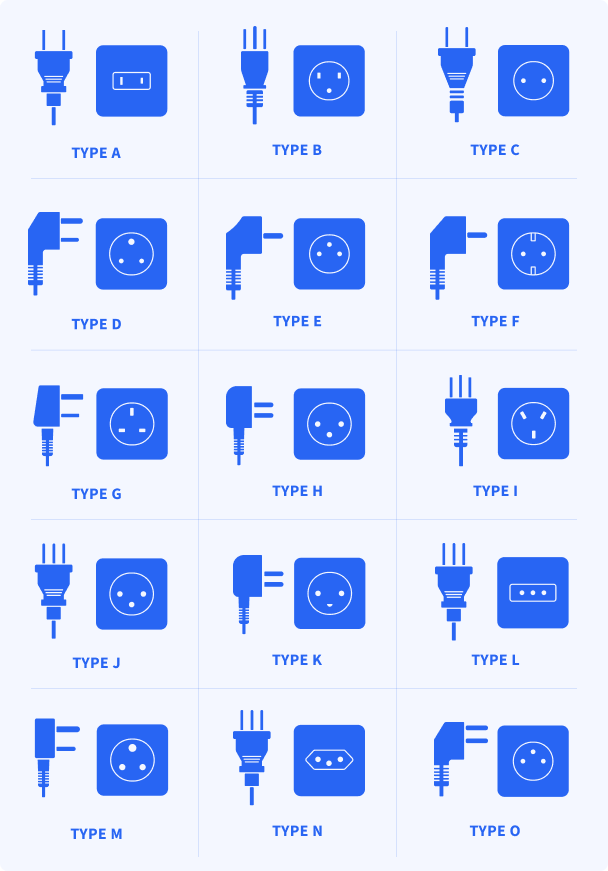
This list helps travelers quickly see which plug type is used in each popular destination so they can pack the right adapters.
Chile uses Type C and Type L plugs. Type C has two round pins and is common in Europe. Type L has three round pins in a line and is used for higher-powered appliances.
No. Type C plugs do not fit Type L sockets because the pin layout is different. If your accommodation uses Type L outlets, you will need a Type L adapter or a universal adapter that supports both plug types.
You need an adapter that supports Type C and Type L outlets used in Chile. A universal travel adapter is the easiest option, as it works in both outlet types and avoids carrying multiple adapters.
No. The U.S. uses Type A and B plugs, which do not fit Chilean outlets. You will need a plug adapter, and you should also check that your devices support 220 V.
No. The U.K. uses Type G plugs, which are not compatible with Chilean sockets. A plug adapter is required for charging devices in Chile.
No. Canada uses Type A and B plugs, the same as the U.S. These plugs do not fit Chilean outlets, so you will need a plug adapter during your trip.
Yes, partially. Both Chile and Italy use Type C and Type L plugs. However, Italy also commonly uses Type F outlets, which are less common in Chile. A universal adapter that supports Type C and L works well in both countries.

The best global eSIM provider
From $2.3/week
A reliable eSIM provider for budget travelers
From $2.4/week
The best global eSIM provider
From $2.3/week
A reliable eSIM provider for budget travelers
From $2.4/week


Our mission is simple: to make sure you never have to ask, “What’s the WiFi password?” again. All our tips come straight from personal experience — because we’d never recommend something we haven’t put to the test ourselves.
Reviews