
Planning a remote work stint in London? This guide covers the best places to stay in London as a dig...


Travel Guides
Before traveling to Croatia, it’s worth double-checking your charging setup. The country uses Type C and Type F power plugs with a 230V, 50Hz electrical system, which means travelers coming from the United States will need a plug adapter for their devices. This guide covers everything you need to know to stay powered throughout your trip.

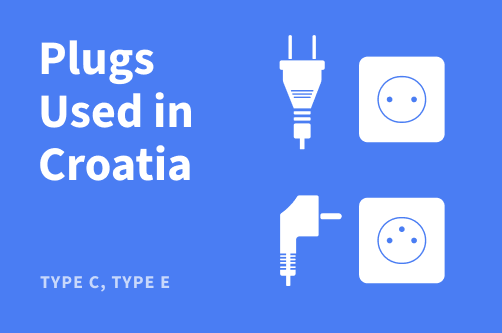
During my stay in Croatia, I noticed pretty quickly that the country follows the standard European power setup you see in many nearby destinations. Wall sockets accept Type C and Type F plugs, which aren’t compatible with outlets used in the U.S., U.K., or Canada.
Croatia operates on 230V at 50Hz, and all of my everyday electronics charged normally without extra equipment. Only higher-power items would need a voltage converter, which made packing simpler once I knew what to expect.
Croatia uses two standard European plug types, both of which I encountered throughout hotels, apartments, and cafés during my trip. Below is a closer look at each one and how they differ in everyday use.
Type C is the classic European plug I saw most often in older buildings and smaller accommodations. It has two round pins, no grounding, and a slim design that fits easily into most European sockets, including Type E and Type F outlets.
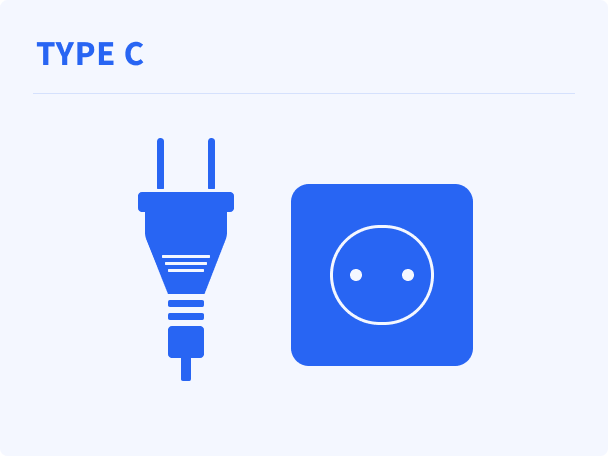
Because it’s ungrounded and lightweight, Type C is typically used for low-power devices like phone chargers, cameras, and laptops. In my experience, it worked perfectly for everyday charging, but it’s not designed for appliances that draw a lot of power.
Type F plugs also have two round pins, but they include grounding clips on the sides, making them sturdier and more secure than Type C. I noticed these more often in newer apartments and places with modern electrical installations.
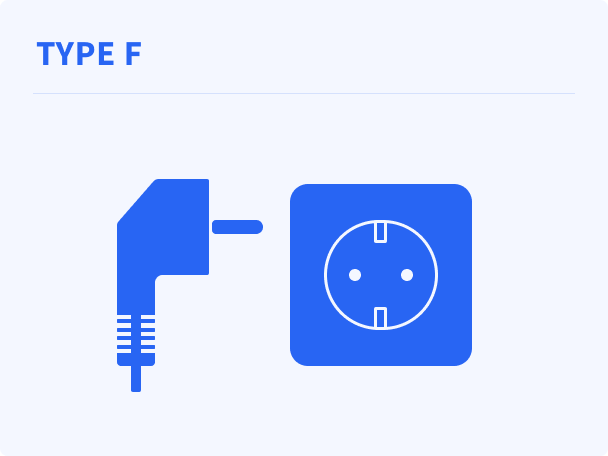
This plug type is built to handle higher-powered devices and feels more solid once plugged in. Even though Type F sockets accept Type C plugs, having a Type F compatible adapter gave me more flexibility across different outlets during my stay.
Before my trip to Croatia, I quickly realized that having a reliable adapter makes traveling so much smoother. Adapters with multiple USB ports or universal compatibility can keep all your devices charged without juggling cords or hunting for outlets.
A versatile all-in-one adapter with support for Type C and Type F outlets in Europe plus others around the world. It includes both USB-C and USB-A ports so you can charge multiple devices at once, and its compact size makes packing easy.
This adapter supports plugs in over 200 countries, including European Type C, and has multiple USB-C and USB-A ports so you can power up phones, tablets, and cameras at the same time. It is especially handy if you carry a lot of gadgets and want one adapter for future trips too.
Simple and compact adapters that fit Type C, Type E, and Type F outlets across Europe, including Croatia. These work well for charging phones, tablets, cameras, and small electronics without extra hassle, and come in a convenient 2‑pack.
A simple, travel-friendly plug adapter with integrated USB charging ports. Its slim design makes it easy to drop into a carry-on, and it fits seamlessly into Croatian wall sockets without taking up much space.
Croatia runs on a 230 V, 50 Hz electrical system and uses Type C and Type F plugs, both with two round pins, while Type F also has grounding clips. In most cases, you won’t need a voltage converter, but having the right plug adapter depends on where you’re traveling from.
If you’re coming from the U.S. or Canada:
You’ll need a plug adapter because North American plugs (Type A or B) do not fit Croatian outlets. A voltage converter is not needed for phones, tablets, laptops, or cameras since most devices support 100–240 V. High-power appliances like hair dryers may require a converter, but I found a dual-voltage travel hair dryer worked perfectly.
If you’re coming from the U.K.:
You’ll need a plug adapter because Type G plugs do not match Croatian sockets. Most modern electronics are dual-voltage, so a converter is not necessary.
If you’re coming from most of Europe:
You typically do not need a plug adapter because Type C plugs fit Croatian outlets. A voltage converter is also unnecessary for everyday devices like phones, laptops, and cameras.
If you’re coming from Australia or New Zealand:
A plug adapter is required because Type I plugs do not fit Croatian sockets. You generally do not need a voltage converter for personal electronics, though high-wattage appliances may require one.
When I traveled to Croatia, I found there were four main ways to stay connected: using data roaming from your home carrier, activating an eSIM, picking up a local SIM card, or renting a pocket Wi‑Fi device. Each option works better for different trip lengths, budgets, and how many devices you need online.
1. Roaming
Data roaming lets you use your existing mobile plan while in Croatia by connecting to local networks. I noticed that U.S. carriers like Verizon or AT&T charge about $12 to $20 per day, which is convenient but can get expensive for longer trips.
2. eSIMs
An eSIM is built into your phone and can be activated instantly, so there’s no need for a physical SIM or paperwork. I used Holafly (best for unlimited data) and it worked flawlessly, while Ubigi is another good choice if you want smaller data packages or a shorter stay.
3. Local SIM
Local SIM cards for Croatia are physical SIMs you can buy at mobile stores, kiosks, or the airport. Providers like A1, Hrvatski Telekom, and Telemach offer fast data at local prices and good value for longer stays. They require an unlocked phone and a bit of setup, which can be inconvenient if you want internet immediately after arrival.
4. Pocket WiFi
Pocket Wi‑Fi devices act as a personal hotspot you can carry with you, which is perfect if you have multiple devices or are traveling with others. I tried one for a few days, and it was reliable, though you need to keep it charged and it is usually pricier than an eSIM or local SIM.
Different countries use a variety of plug types and voltages, which can make charging devices tricky for travelers. Understanding the main plug types before you go helps ensure your electronics stay powered wherever you are.
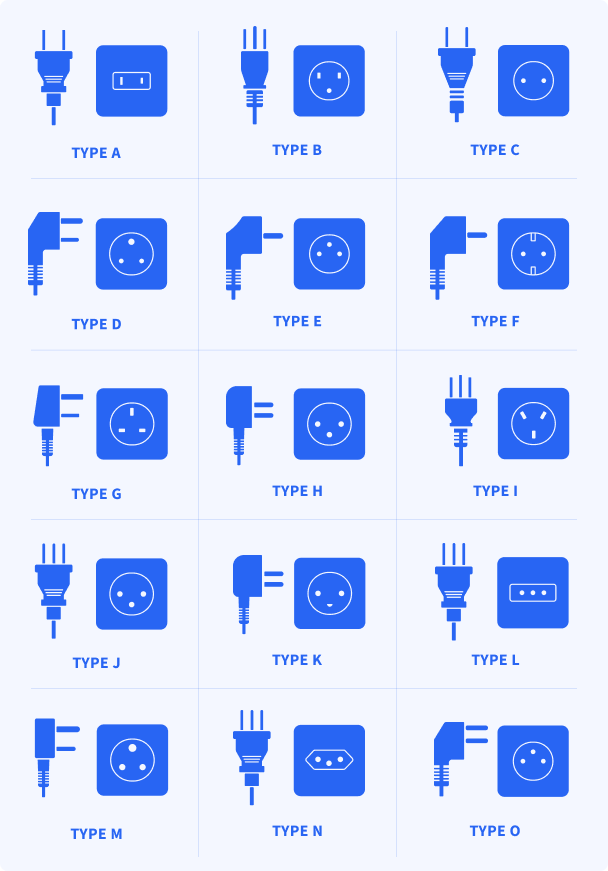
This list helps travelers quickly see which plug type is used in each popular destination so they can pack the right adapters.
No. Croatia uses Type C and Type F plugs, while the U.S. uses Type A and Type B. Travelers from the U.S. will need a plug adapter.
No. The U.K. uses Type G plugs, which are different from Croatian outlets. A plug adapter is required.
No. Canada uses Type A and Type B plugs, so a plug adapter is needed to use devices in Croatia.
Yes. Croatia uses standard European plugs, specifically Type C and Type F, which are common across most of continental Europe.
You need a Type C or Type F plug adapter, often labeled as a “Europe” adapter. A universal travel adapter also works well.
Most modern chargers for phones, laptops, cameras, and tablets work without a voltage converter, as long as they support 100–240 V. You just need the correct plug adapter to fit Croatian sockets.

The best global eSIM provider
From $2.3/week
A reliable eSIM provider for budget travelers
From $2.4/week
The best global eSIM provider
From $2.3/week
A reliable eSIM provider for budget travelers
From $2.4/week


Our mission is simple: to make sure you never have to ask, “What’s the WiFi password?” again. All our tips come straight from personal experience — because we’d never recommend something we haven’t put to the test ourselves.
Reviews