
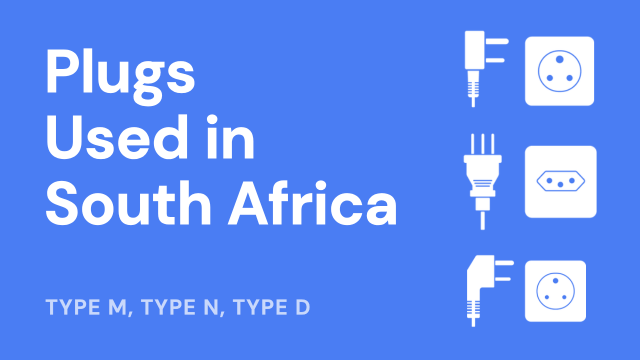


South Africa primarily uses Type M plugs, with Type N becoming more common in newer buildings. Travelers from the US or Canada will need an adapter. The country operates on 230V at 50Hz, so some devices may also require a voltage converter depending on their specifications.
In this guide, I’ll walk you through my experience using plugs during a recent trip to South Africa, including where to get adapters, whether you actually need a converter, and what to expect when you arrive. I’ll also cover plug types in other popular destinations so you can plan ahead for future trips.
South Africa uses a mix of plug types, with Type M as the main standard and Type N becoming more common in newer buildings. Some travelers may also encounter Type D in older outlets, although it’s not widely used today.
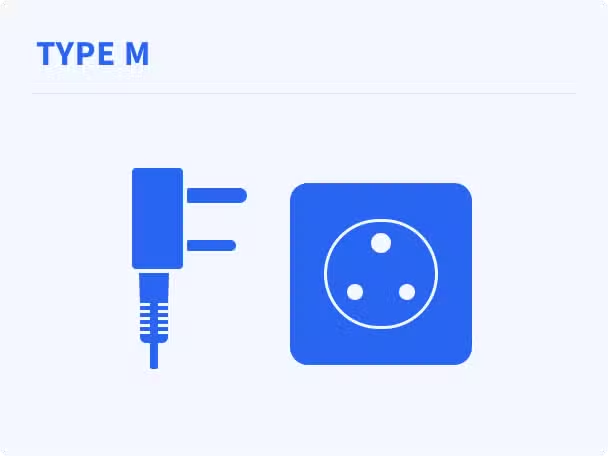
Type M has three large, round pins arranged in a triangular shape, with a thicker top pin. It’s the most widely used plug type in South Africa and is found in homes, older buildings, and standard wall outlets.
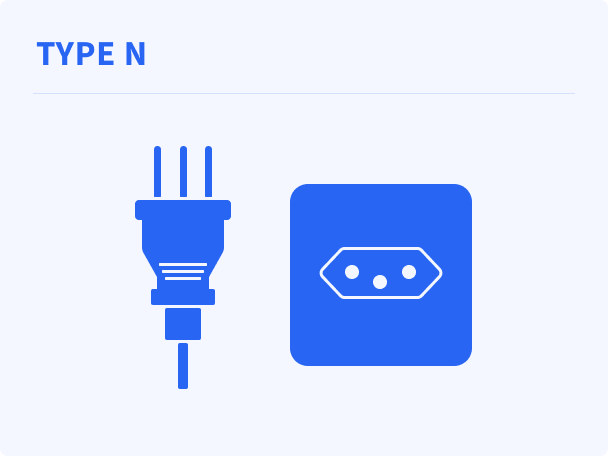
Type N features three smaller round pins in a triangular layout. It’s a newer standard and is increasingly used in modern buildings, hotels, and updated electrical systems.
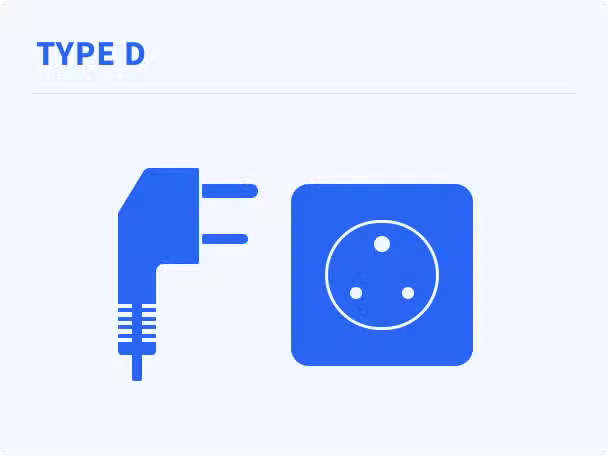
Type D has three round pins in a triangular pattern, similar to Type M but smaller and more closely spaced. It is mostly found in older installations and is not commonly used in newer properties.
If you’d be needing a plug adapter for your trip to South Africa, here’s a list of reliable ones I found, complete with prices and where to buy them.
A versatile adapter designed for South Africa, supporting Type M, N, D, and even Type C/F plugs. This universal set that comes in four units is ideal for travelers who need flexibility across different outlet types. It’s an Amazon’s Choice product and comes with a 100% satisfaction guarantee or full refund.
A Type M adapter with two AC outlets and three USB ports (including two USB-C), allowing you to charge multiple devices at once. It delivers up to 15.5W total output and charges up to 30% faster than standard adapters.
A Type M adapter designed for South Africa that accepts standard North American two- and three-prong plugs (including polarized). It offers a simple, no-fuss design without a bulky universal socket and comes with a limited lifetime warranty.
In most cases, you won’t need a voltage converter because South Africa uses 230V, and most modern devices support 100–240V. Here’s how to check:
You have four ways to stay connected in South Africa: roaming, eSIM, a local SIM card, and a pocket WiFi. The best option depends on your budget, data needs, and how long you’re staying.
Data roaming means using your home mobile network while abroad without changing your SIM card. Verizon roaming and AT&T roaming allow you to use your existing plan for a daily fee, but costs can add up quickly if you use a lot of data.
An eSIM is a digital SIM that lets you activate a mobile plan without a physical card. It allows you to connect instantly by downloading a plan to your phone. Some of the best eSIMs for South Africa include Orange Travel for data plans with calls and texts, and Holafly for unlimited data plans.
You can get a South Africa SIM card from providers like Vodafone, MTN, Telkom, and Cell C, which offer prepaid plans and travel-friendly data packages. These are usually the most affordable option for longer stays.
You can also use a pocket WiFi for South Africa, which lets you connect multiple devices via a portable hotspot. Providers like Solis and My Webspot offer pocket WiFi, but keep in mind that you need to carry the device with you and keep it charged throughout the day.
Below is a snapshot of the most used plug types for each destination. Check out how each plug type looks in the image after the table.
| Plug Type | Destinations |
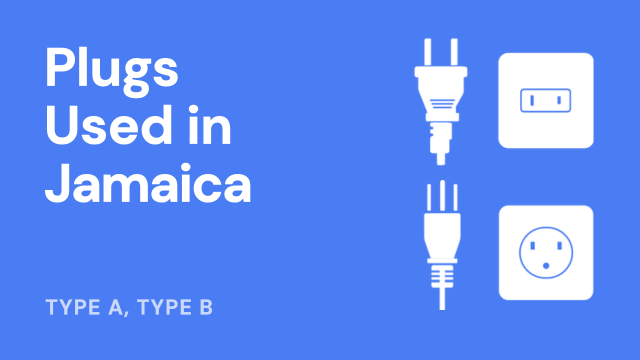
| Type A | US, Canada, Mexico, Japan |
| Type B | US, Canada, Honduras |
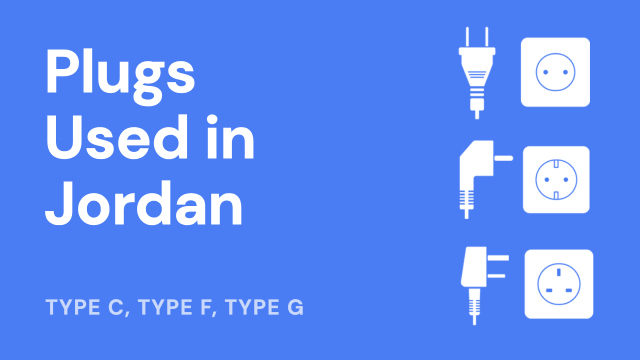
| Type C | South Korea, Germany, Italy, Spain, Thailand, Iceland |
| Type D | India, Nepal |
| Type E | France, Belgium, Poland |
| Type F | Georgia, Germany, Netherlands, Spain, Indonesia |
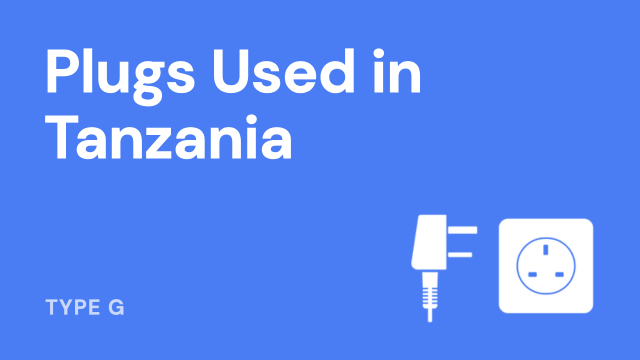
| Type G | UK, Cyprus, Singapore, Hong Kong, Ireland |
| Type H | Israel |
| Type I | Australia, New Zealand, China |
| Type J | Switzerland |
| Type K | Denmark |
| Type L | Italy |
| Type M | South Africa |
| Type N | Brazil |
| Type O | Thailand |
South Africa primarily uses Type M (three large round pins) and Type N plugs, with Type D found in some older buildings. A universal adapter that supports Type M is the safest option.
No. The US uses Type A and B plugs, which are not compatible. You’ll need an adapter and possibly a voltage converter.
No. The UK uses Type G plugs, so you’ll need an adapter.
Not exactly. Europe mainly uses Type C, E, and F plugs. Some Type C plugs may fit Type N sockets but not Type M sockets.
No. Canada uses Type A and B plugs, which are incompatible. An adapter is required.
Sometimes. It may work with Type N sockets, but not with Type M or Type D sockets.
Very few countries use Type M plugs. Type D is also used in countries like India, but overall, plug types in South Africa are fairly unique.
Some hotels, especially in major cities, offer adapters or have universal sockets. Still, it’s best to bring your own to avoid inconvenience.

The best global eSIM provider
From $2.3/week
A reliable eSIM provider for budget travelers
From $2.4/week
The best global eSIM provider
From $2.3/week
A reliable eSIM provider for budget travelers
From $2.4/week
Our mission is simple: to make sure you never have to ask, “What’s the WiFi password?” again. All our tips come straight from personal experience — because we’d never recommend something we haven’t put to the test ourselves.
Reviews