





Roaming in Japan is available with most international carriers, but costs vary depending on whether you have inclusive roaming, a roaming pass or pay-as-you-go rates.
It’s typically one of the most expensive ways to stay connected, especially for data usage. More affordable options like eSIMs or prepaid SIM cards from BIC Camera, often available in vending machines, are usually a better choice for travelers.
For a better idea of what to budget for your trip, see our cost guide for Japan.
Roaming lets you use your home mobile plan abroad by connecting to a local network in Japan. International carriers typically partner with major networks like NTT Docomo, SoftBank and KDDI, so service is available as soon as you arrive.
It’s not free in Japan for most travelers. Unlike within the EU, where roaming can be included at no extra cost, it usually involves either a daily roaming pass or pay-as-you-go rates.
Roaming is priced higher because your home provider adds extra fees for using partner networks abroad, often with separate rates for calls, texts and data.
Note: Before using roaming, make sure your phone works in Japan, since not all devices support the country’s network bands.
Roaming costs in Japan vary depending on your provider and plan. Most carriers offer daily roaming passes, while pay-as-you-go rates are significantly more expensive.
Major US carriers offer daily passes for use in Japan.
| Provider | Roaming pass cost | Inclusive roaming | Pay-as-you-go |
| Verizon | $12/day (TravelPass) | Limited on select plans | Very expensive, especially for data |
| AT&T | $12/day (International Day Pass) | Not included | High per MB and call rates |
| T-Mobile | Included (low-speed data on some plans) | Yes, but limited speeds | Expensive for high-speed data and calls |
Canadian providers mainly rely on daily roaming passes.
| Provider | Roaming pass cost | Inclusive roaming | Pay-as-you-go |
| Rogers | $15–18/day (Roam Like Home) | Not included | Very expensive without pass |
| Bell | $16/day (Roam Better) | Limited | High per use |
| Telus | $16–18/day (Easy Roam) | Not included | Expensive for calls, texts and data |
UK carriers typically include EU roaming, but Japan requires paid add-ons.
| Provider | Roaming pass cost | Inclusive roaming | Pay-as-you-go |
| EE | ~£7.50/day (~$9.50) | Not included | Very expensive outside Europe |
| O2 | £7/day (~$8.90) | EU only | Very expensive without Bolt-On |
| Three | £5–£7/day (~$6.35–$8.90) | Limited (some plans include passes) | Extremely expensive without pass |
| Vodafone | ~£7–£8/day (~$8.90–$10.15) | Not included | High standard roaming rates |
| Lebara | ~£15 (8 days) (~$19) / £25 (15 days) (~$32) | EU-focused | Extremely expensive (data up to ~£93/GB ≈ ~$118/GB) |
EU roaming does not cover Japan, so additional charges apply.
| Provider | Roaming pass cost | Inclusive roaming | Pay-as-you-go |
| Orange | No standard daily pass (bundles ~€15–€20 → ~$17–$24) | EU only | Extremely expensive (~€13/MB → ~$15/MB) |
| Deutsche Telekom | ~€14.95 (1 GB bundle → ~$17–$18) | EU only | Extremely expensive (per MB rates apply) |
| Movistar | No standard daily pass (bundles vary) | EU only | Extremely expensive (charged per MB, calls and texts) |
eSIMs are often cheaper than roaming, especially for longer trips or heavy data use.
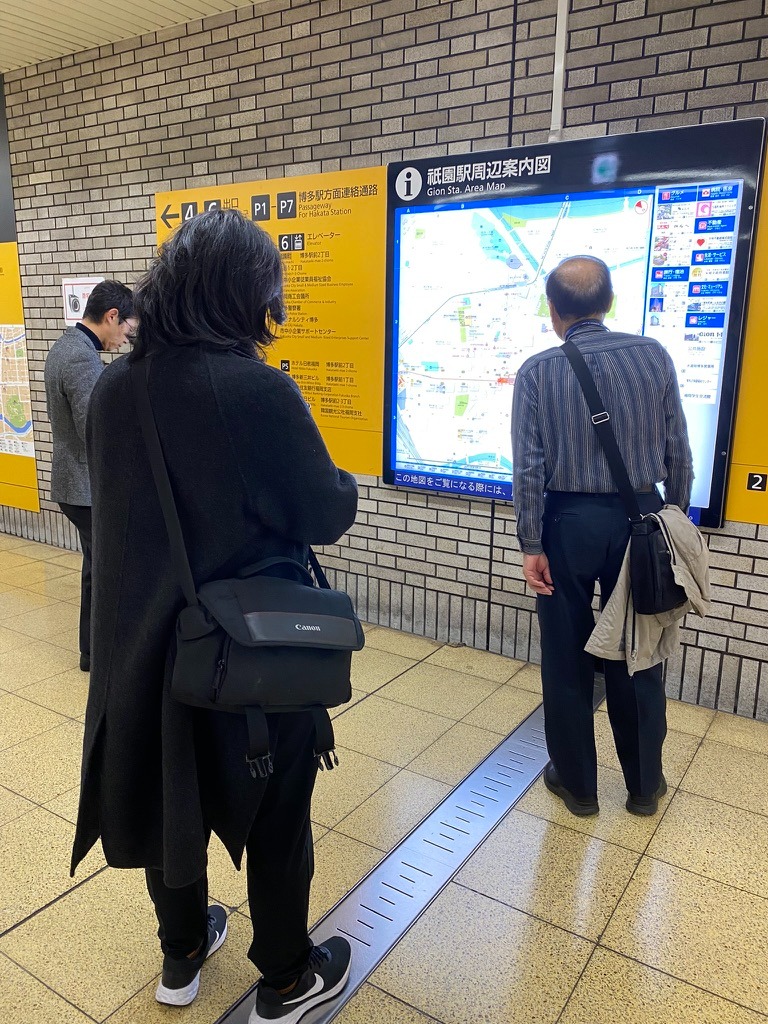
I’ve used them several times in Japan, and they’ve become my go-to for staying connected for maps, train navigation and translation apps.
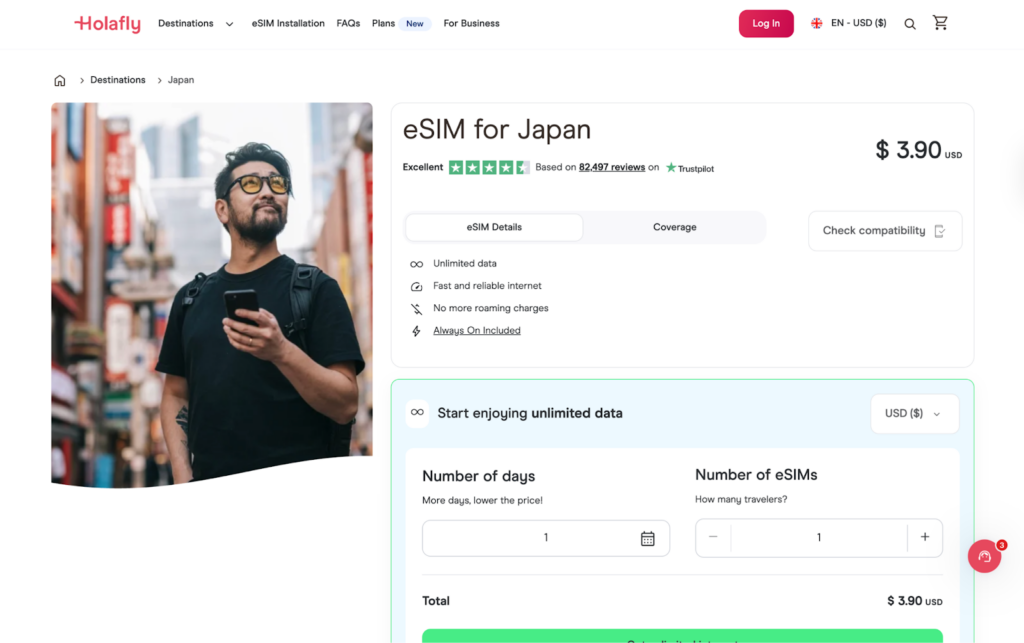
Holafly offers unlimited data plans for Japan, making it a reliable choice if you don’t want to worry about usage limits. Plans start at $3.90 start per day. Holafly eSIMs work with most newer smartphones that support eSIM.
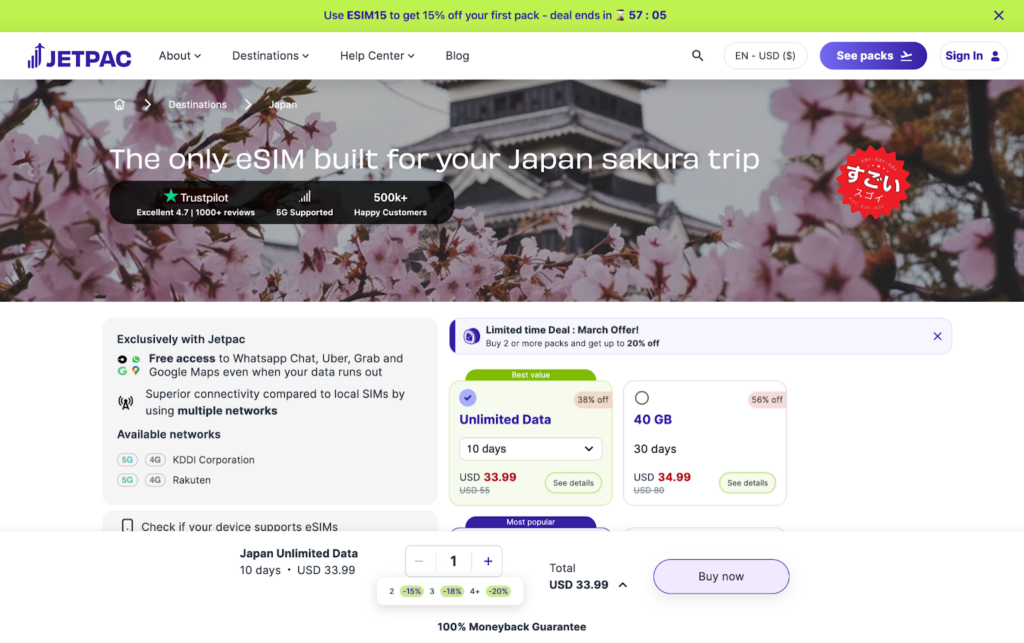
Jetpac offers both unlimited and fixed data plans for Japan, with smaller packages starting at around $1 for 1 GB, valid for four days. Jetpac supports most eSIM-enabled smartphones, though it’s best to check compatibility before purchasing.
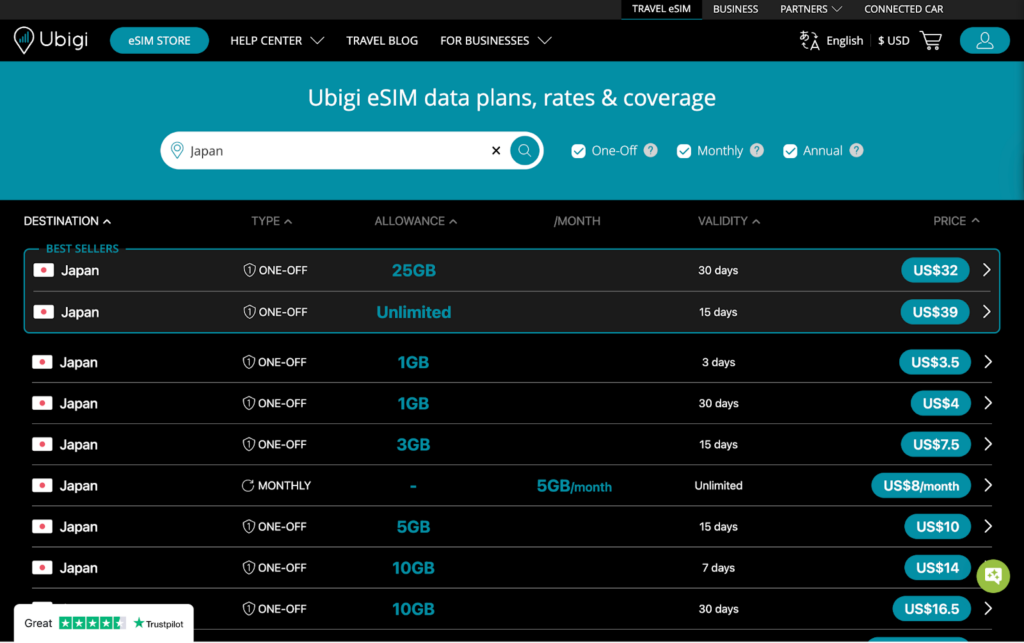
Like Jetpac, Ubigi offers both unlimited and fixed data plans for Japan. Pricing starts at $3.5 for 1 GB, valid for three days. It’s a practical option if you want predictable costs without committing to an unlimited plan. Ubigi works on most modern eSIM-compatible devices, though older phones may not be supported.
Avoiding roaming charges in Japan is straightforward, with several alternatives offering better value and reliable connectivity.
eSIMs are one of the easiest and most cost-effective options. You can purchase and activate them online before your trip, making them ideal for convenience and immediate connectivity upon arrival.
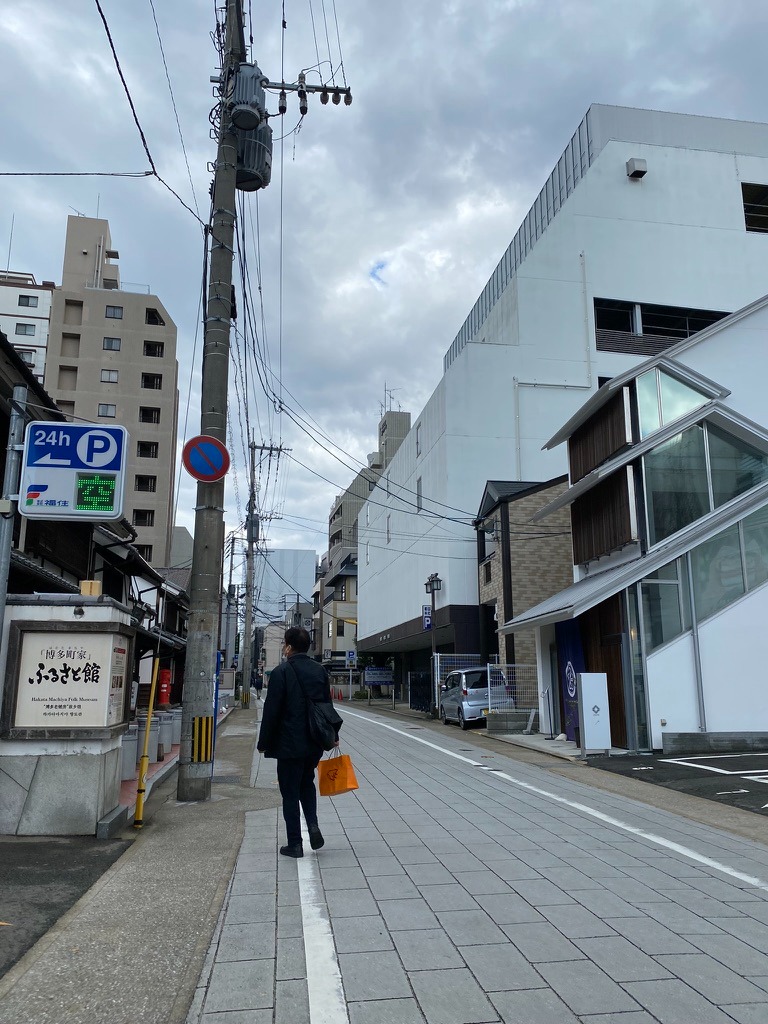
Japan SIM cards are widely available at airports, convenience stores and electronics shops. They’re usually cheaper than roaming, but require swapping your physical SIM and having an unlocked phone.
Pocket WiFi devices in Japan provide a portable hotspot you can share across multiple devices. They are a good option for groups or heavy users, though they require pickup, charging and return. You can typically pick them up at major airports like Haneda Airport and Narita International Airport.
Free WiFi is available in many public places like cafes, hotels and train stations. However, it can be unreliable or require sign-ups, making it less suitable as your primary connection.
Comparison table
| Option | Price | Convenience | Best use case |
| eSIM | $3–$7/day or bundled plans | Very high (instant activation, no SIM swap) | Solo travelers, frequent data use |
| Local SIM | $10–$30 total (varies by data) | Medium (requires SIM swap) | Budget travelers, longer stays |
| Pocket WiFi | $5–$10/day rental | Medium (carry and charge device) | Groups, multiple devices |
| Free WiFi | Free | Low to medium (limited access, sign-ins) | Light use, backup option |
No, roaming is not necessary since alternatives like eSIMs and local SIM cards are often cheaper and more convenient. Most travelers rely on these options instead of roaming.
Yes, most international carriers support roaming in Japan through partner networks. However, you may need to activate a roaming pass or enable roaming on your plan.
Yes, data roaming in Japan is typically expensive, especially on pay-as-you-go rates. Costs can add up quickly if you use mobile data frequently.
Yes, you can use your phone in Japan if it is unlocked and compatible with local network bands. Some older devices may not work properly.
Roaming can be convenient since it works as soon as you arrive, but it’s usually not the most cost-effective option. Most travelers find better value with eSIMs or local SIM cards.
Most travelers use around 3–7 GB for a week, depending on usage. Heavy users who stream or upload content may need more or prefer unlimited plans.
Enable data roaming in your phone settings and activate a roaming plan with your carrier before traveling. Once in Japan, your phone will connect automatically to a partner network.

Our mission is simple: to make sure you never have to ask, “What’s the WiFi password?” again. All our tips come straight from personal experience — because we’d never recommend something we haven’t put to the test ourselves.
Reviews