

SIM Cards
The main providers in Argentina are Claro Argentina, Movistar Argentina, and Personal Argentina. All offer prepaid SIM cards, but coverage, pricing, and activation requirements vary. This guide explains the best options and how to get connected once you land.

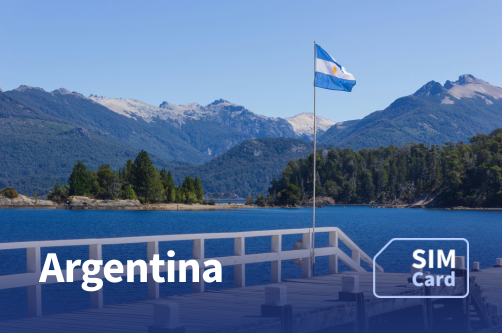
Choosing the right SIM card in Argentina depends on how you plan to travel. I compared price, data, validity, and network coverage across the main providers. I also looked at where to buy, from airport kiosks to city stores, and what you need for activation and registration. I tried a local SIM, but the extra steps made eSIMs feel more practical.
Quick pick: the best SIM card for Argentina is Claro Argentina because it offers strong coverage and solid value. Local SIMs usually cost less than eSIMs. Still, you need a passport and you need to go to a store. You also need some time to activate it and get everything working.
Note *All pricing information in this article is accurate as of April 9, 2026. Prices are subject to change at any time, so we recommend checking directly with each SIM and eSIM provider for the most up-to-date details before making a purchase.*
Quick verdict: If you’re traveling in Argentina and expect to use heavy data, Claro Argentina is the best option. It gives larger prepaid bundles. You also get bonus data for social apps and night use. Coverage is strong across the country. Movistar Argentina works better for short stays and light browsing. It keeps things simple with smaller prepaid allowances. Personal Argentina is the most flexible option. But you need a few extra steps to get data set up and running.
| Provider | Price (from) | Data | Validity | Network coverage in Costa Rica | Where to buy | Best for |
| Claro Argentina | ARS 7000 ($5,05) | 2 GB + 500 MB social apps + night data bonus | Up to 30 days | Strong nationwide coverage | Airports, official stores, authorized retailers | Heavy data use and reliable nationwide coverage |
| Movistar Argentina | ARS 3,000 ($2,16) | 200 MB | 1 day | Strong urban coverage, good nationwide | Official stores, kiosks, app | Very short stays and light data use |
| Personal Argentina | From ARS 800 ($ 0,58) SIM activation/initial recharge requirement | Credit-based prepaid usage (data purchased or charged from balance) | Depends on usage (no fixed bundle on tourist page) | Good coverage in cities and many regions | Official stores, shopping malls, kiosks | Tourists who want flexible prepaid usage but don’t mind manual setup |
Airport convenience: Claro Argentina and Movistar Argentina are easy to find. You can get them at official stores, kiosks, and sometimes airports in major cities. Personal Argentina also requires in-store activation for tourists. That can take a bit more time after you arrive.
Best value: Claro works best if you want stronger data bundles and steady nationwide coverage. It is good for maps, messaging, and streaming. Movistar is better if you only need light browsing and short-term use.
Longer stays or heavier data: Claro is the most reliable option. It works better outside major cities and gives you more data for longer trips.
Short trip, flexible use: Movistar fits quick visits and light usage. Personal gives you more flexibility, but you need to manage credit and set things up yourself.
These are the three best SIM card providers in Argentina. They offer the strongest coverage, best value, and easiest options for travelers. I compared them based on data, price, and setup simplicity. Plans can change often, so I always recommend checking the carrier’s official site or confirming details in-store before buying.
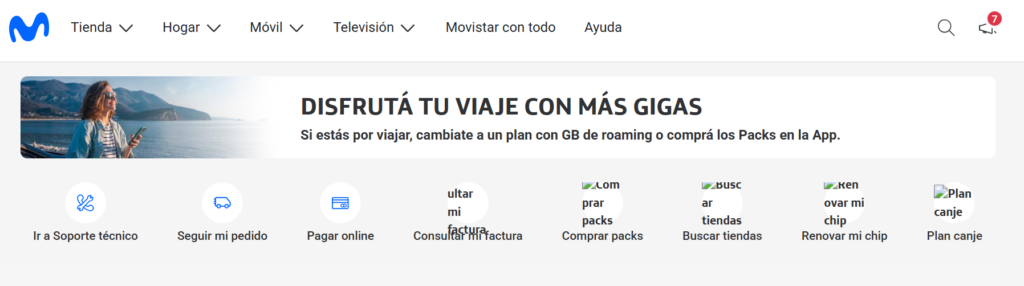
Movistar Argentina is one of the largest mobile operators in Argentina. It has strong coverage in cities and along major travel routes. It works well for travelers who stay in urban areas. The network is stable and widely available across the country. It focuses on prepaid users who want simple mobile internet access.
Movistar uses a recharge-based prepaid system. You top up credit first. Then you get data benefits depending on the amount you add. It suits travelers who want light to moderate internet use. It is also a good option if you mainly stay in cities and do not need heavy rural coverage.
| Duration | Data | Pricing | Notes |
| 1 days | 200 MB | ARS 3,000 ($2.16) | Short stay bundle with data and free incoming calls |
| 1 days | 1 GB | ARS 5,000 ($3.60) | Mid‑length plan with enough data for maps and messaging |
| 30 days | 2.5 GB | ARS 7,000 ($5.05) | Longer stay plan with large data allowance |
Note: Data validity and WhatsApp validity are separate. Mobile data (200 MB or 1 GB) expires after 1 day. WhatsApp access remains active for 15 to 30 days depending on the recharge amount.
Quick verdict: Movistar Argentina is best for short trips and light to moderate use. It is easy to access in cities and kiosks. The trade-off is limited data on smaller recharges and less value outside urban areas. You can buy it at official stores, kiosks, or recharge through the app.
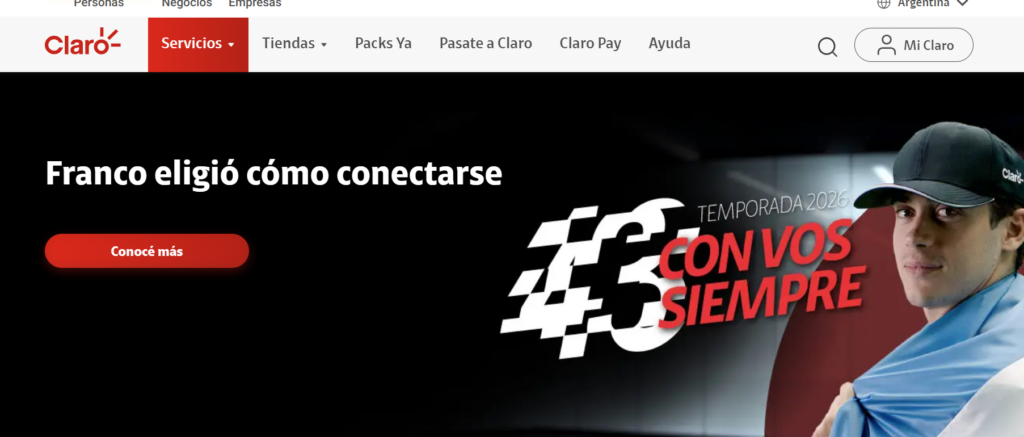
Claro Argentina is one of the strongest mobile networks in Argentina. It has wide coverage across the country. It performs especially well outside major cities. Many travelers choose it for road trips and longer distances. It is known for stable data and consistent signal nationwide.
Claro offers prepaid options that work through recharge-based bundles. You top up credit and unlock data benefits depending on the amount. Higher recharges often include bonus data and longer validity. It is best for travelers who need reliable coverage beyond cities and tourist hubs.
| Duration | Data | Pricing | Notes |
| Up to 30 days | 2 GB + 500 MB social apps + 500 MB Free Fire + WhatsApp free | ARS 7,000 ($5.05) | Standard prepaid recharge benefit bundle |
| Up to 30 days | 15GB + night data usage + calls/SMS included | ARS 10,700 ($7.71) | Higher-value combo with night browsing and extended benefits |
Quick verdict: Claro Argentina is best for travelers who move outside major cities and need consistent coverage across the country. It is slightly more expensive at entry level, but more reliable in rural and long-distance travel. You can buy it at airports, official stores, and authorized kiosks nationwide.
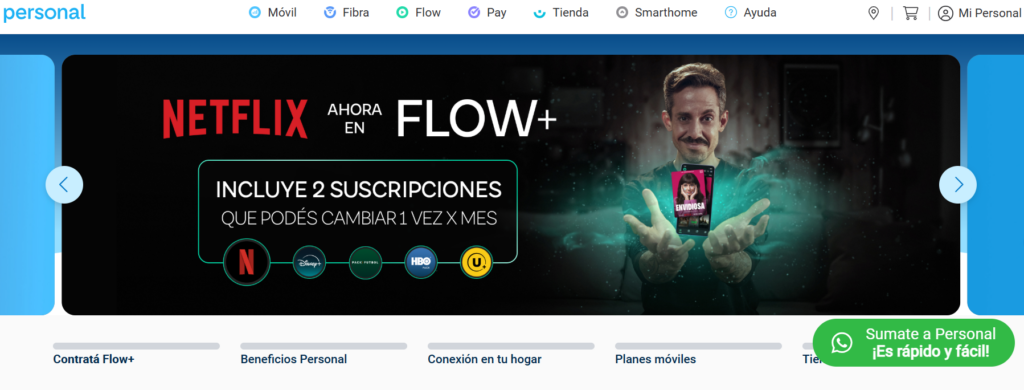
Personal Argentina is one of the largest mobile networks in Argentina. It has wide national coverage and strong presence in cities. It is part of Telecom Argentina and serves millions of users. Travelers often use it because it is widely available across stores, kiosks, and supermarkets in the country.
The prepaid system works through credit recharge. You top up your balance first. Then you can use internet on a pay-as-you-go basis or access internet by day. The system is flexible and works well for short stays. It is less structured than fixed data bundles and depends on how you use your credit.
| Duration | Data | Pricing | Notes |
| Pay-as-you-go | 50 MB internet per day | ARS 535 ($0.39) | Automatic daily internet usage when no pack is active |
| Variable | Calls | ARS 418 ($0.30) per minute | Charged per use from credit |
| Variable | SMS / MMS | ARS 116 ($0.084) | Charged per message from credit |
Quick verdict: Personal Argentina is best for travelers who want maximum flexibility and do not want fixed bundles. It works well in cities and has wide availability. The trade-off is less predictability in cost and setup, since everything runs through credit and automatic daily usage. You can buy it at official stores, shopping malls, and kiosks across Argentina.
During my trip, I tried relying on local SIM cards, but they usually took more steps than expected. Finding a store, showing a passport, and activating the SIM all added extra time on the first day. eSIMs often felt faster, even if local SIMs were cheaper.
Here’s a breakdown of the main options:
Tip: Always test your SIM before leaving. Make sure data and social apps like WhatsApp or Google Maps work. Activation usually takes a few minutes.
During my travels in Argentina, I tested several eSIM options instead of buying local SIM cards. Local SIMs often took more time. I had to find a store, show my passport, and wait for activation. eSIMs felt much easier because I could install them before arrival and connect instantly.
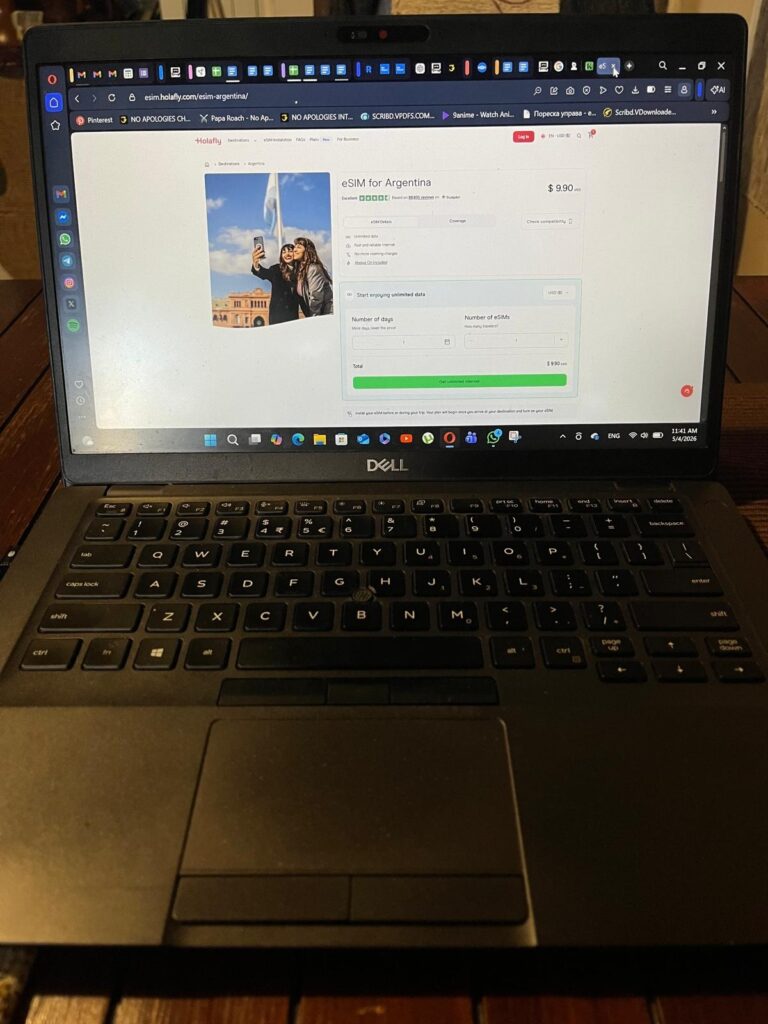
From my experience, eSIMs make more sense for short trips. They also work well when you do not want to deal with setup steps after landing. I tested a few of the main providers mentioned here. eSIMs were faster, simpler, and more predictable in most situations.
| Provider | Best for | Notes | |
| Holafly |  | Travelers who need unlimited data | Great if you want unlimited data without worrying about usage limits. Setup is fast and simple, and it works right after installation. |
| Airalo |  | Budget-conscious or short trips | Works well if you want flexible plans at low prices. Installation is easy, and it activates immediately.. |
| GigSky |  | Multi-country or frequent travelers | Works across many destinations with simple setup and stable connectivity. |
Quick take: Holafly is best if you want unlimited data and zero hassle. Airalo works well for short trips and lower budgets. GigSky is a strong option if you travel across multiple countries and want one setup that just works.
The best SIM card for Argentina is Claro Argentina. It offers strong nationwide coverage. It works well outside major cities. Movistar Argentina is good for city use. Personal Argentina gives more flexible prepaid options.
Yes, you can buy a SIM card at Buenos Aires airport. Ezeiza airport has SIM options for travelers. Setup is quick at the counter. The selection is more limited than in the city. Prices can also be slightly higher.
Tourists usually choose Claro Argentina. It has strong coverage across the country. It works well for maps and messaging. Movistar is better for short city trips. Personal works if you want flexible credit use.
Yes, foreigners can easily buy a SIM card in Argentina. You need a passport for registration. Staff complete the activation in-store. The process is quick in most cases. You can also get help at kiosks and official stores.
SIM cards in Argentina are usually low-cost or sometimes free. You still need to add credit or a prepaid bundle. Prices depend on the operator and plan. Data packages vary by usage. Most travelers start with a small recharge.
eSIMs can cost more than local SIM cards. Some plans offer less data flexibility. Coverage depends on the provider you choose. Not all phones support eSIM. They are still very easy to activate.
Claro Argentina is the best for nationwide coverage. It works well outside cities. Movistar performs strongly in urban areas. Personal is more flexible but less consistent. Coverage depends on where you travel.
A SIM card is usually cheaper in Argentina. It also offers more local options. An eSIM is faster to set up. You can activate it before arrival. The choice depends on speed vs cost.

Our mission is simple: to make sure you never have to ask, “What’s the WiFi password?” again. All our tips come straight from personal experience — because we’d never recommend something we haven’t put to the test ourselves.
Reviews