
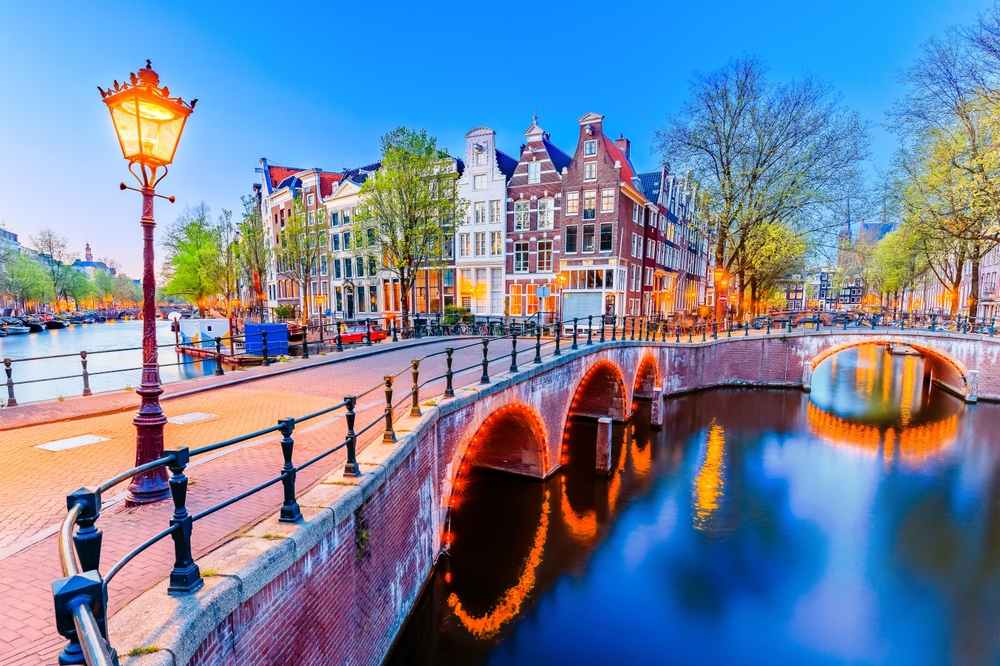



Amsterdam, one of Europe’s most popular destinations and ranked 7th among the world’s 100 best cities, attracts millions of visitors every year. With plenty of things to do in Amsterdam, its popularity has fueled concerns about overtourism and pressure on daily life.
City officials are increasingly focused on balancing the benefits of tourism and the struggle of managing it. With great visitor numbers comes great pressure, so they have decided to target some of the biggest pressure points created by tourism.
The tax hike is one of the main tools being used to tackle overtourism. It is the first step in a wider plan in which Amsterdam aims to address the issue. The focus is shifting away from growth and toward tighter control.
Amsterdam currently charges a 12.5% tourist tax on overnight stays in hotels and short-term rentals, which is already the highest in Europe. That rate will stay in place throughout 2026. But the city will raise that percentage to 16% next year and then keep increasing it until it reaches 20%.
The municipal executive (college van B&W) will closely monitor whether the higher tax reduces visitor numbers. If overnight tourist stays do not fall below 20 million, further gradual increases in the tourism tax are planned through to 2030. The earliest possible increase is expected from 1 January 2027.
The tax is applied directly to accommodation costs, including hotels, guesthouses, and other short-stay options.
Amsterdam is stepping up enforcement in busy parts of the city centre, including De Wallen and nearby entertainment areas. For travellers, this means tougher rules aimed at reducing nuisance and crowding in some of the city’s busiest tourist hotspots. Guided tour groups are now being limited to a maximum of 15 participants. As for smaller groups of 4, you will need an exception, or "ontheffing", which is a kind of permit.
In the Wallen area, better known as the Red Light District, authorities have already banned all kinds of guided tours through prostitution window streets and tightened control of organised pub crawls. Extra enforcement staff, temporary street closures during peak times, and designated hosts are also being used to manage visitor numbers.
These steps are part of the city’s wider “City Centre Approach”, which focuses on reducing pressure in specific zones by managing how travellers move through the area and enforcing stricter rules in the busiest parts of central Amsterdam.
If you were planning on cruising to Amsterdam, there are already changes in place that affect how ships visit the city.
From 2026, the number of ocean cruise ship calls is being limited to 100 per year, down from around 190, with only one large cruise ship allowed to dock per day at the Passenger Terminal Amsterdam. From 2027, ships will also have to use shore power while docked instead of running engines.
On top of that, the city is working on longer-term plans that could see the cruise terminal moved away from the city centre by 2035, shifting arrivals out of the busiest area.These changes are aimed at reducing peak congestion caused by cruise arrivals and spreading visits more evenly throughout the year.
Hotel stays in Amsterdam are set to get more expensive once the new tax changes kick in. When you combine the city’s 12.5% tourist tax with the VAT increase on accommodation to 21% from 2026, the total tax burden on hotel stays reaches around 33.5%.
That higher cost will show up directly in nightly room prices across hotels, hostels, B&Bs, and short-term rentals, and it adds up quickly for longer stays since it applies per night.
In practice, travellers will feel the impact across all types of accommodation covered by the city’s tourist tax system.
If you need help finding a hotel, you can check out our picks of the best hotels in Amsterdam.

The best global eSIM provider
From $2.3/week
A reliable eSIM provider for budget travelers
From $2.4/week
The best global eSIM provider
From $2.3/week
A reliable eSIM provider for budget travelers
From $2.4/week
Our mission is simple: to make sure you never have to ask, “What’s the WiFi password?” again. All our tips come straight from personal experience — because we’d never recommend something we haven’t put to the test ourselves.
Reviews