

News
A digital border system meant to strengthen EU border control is now causing long waits and missed flights. And with peak summer travel just around the corner, airports across Europe are running out of patience.

Rome's airports may be forced to suspend the EU's new biometric border checks this summer. Marco Troncone, CEO of Aeroporti di Roma, which operates Fiumicino and Ciampino airports, says it is the only way to avoid a disaster during peak season. He rates his concern at eight or nine out of ten.
The EES, the EU's new digital border system for non-EU travelers, was first introduced in October 2025 and fully rolled out in mid-April 2026, but its launch has been blighted by faulty technology and long queues.
The Entry/Exit System replaced passport stamps with digitally recorded entries and exits for non-EU short stay travelers. It is also used to collect biometric data, facial images, fingerprints, and personal travel document information, the first time a non-EU traveler enters the Schengen Area.
The problem lies with automated booths that do not always work, so passengers who have already enrolled once are often forced to repeat the process from scratch. Queues of several hours have already been recorded at peak times, with some passengers missing flights.
IATA has warned waiting times could reach six hours in the worst-affected airports, with waits of up to three and a half hours already recorded during peak periods. Two months in, IATA said the system is "producing long lines, missed flights, and growing alarm across the travel industry."
But unfortunately Rome is not the only one worried.
Troncone told the Financial Times the process is "incompatible with the peak volumes that we are going to face." He added: "The only way is to open up the valve. There is no way that we can deliver 100% of the enrolment."
Stefan Schulte, president of ACI Europe and head of the company that owns Frankfurt Airport, told the BBC that politicians should "stop pretending that EES is working just fine. It is not." He added that the EES is "what keeps me and many other airport CEOs across Europe awake at night."
Olivier Jankovec, head of ACI Europe, told the FT the core problem is automation. "We need the self-service tills to work, and at the moment they don't work." He added that for the peak summer months, airports need "the ability to fully suspend EES registration."
Portugal has said it will deploy hundreds of public security police officers at national airports at the beginning of July to help manage border control queues.
Greece announced it had suspended checks for British citizens but later scrapped the plan, with the foreign ministry saying it had no information that specific nationalities were temporarily exempt.
Even airports outside the EU are worried.
Istanbul Airport CEO Selahattin Bilgen said Turkish travelers entering the EU for the first time are struggling. "Most of the Turkish people are now travelling more than in the past, and in their first entrance to the EU, they struggle." If so many passengers are caught in queues that planes are delayed, the impact will reverberate across the region.
A European Commission spokesperson said the EES is "fully operational across all Schengen countries and works well," adding that long waiting times are "most often not related to the operations of the EES, but to pre-existing factors, such as staff shortages, infrastructure limitations, as well as concentration of flights in specific slots."
The Commission added that rules allow all 29 Schengen countries using the system to partially suspend EES operations through the summer, and that it is "up to member states to ensure the proper implementation of the EES on the ground."
Uku Särekanno, deputy executive director of Frontex, the EU border agency, said the situation might not stabilise for two years. "We expect the situation will stabilise in one or two years because the most challenging part is the first enrolment," he said, speaking at an event in London. ABTA chief executive Mark Tanzer called the warning "very painful."
Basically the EU has made clear it does not plan to soften the border regime after September. So for the time being, the decision on whether to suspend checks rests with individual member state governments, not with airports themselves.
If you are flying into or through a Schengen country this summer, budget extra time at passport control. British travelers have been among the most affected, with a Ryanair flight from Athens to London reportedly leaving without 20 to 50 passengers due to passport control delays, and just 34 of 156 passengers boarding an easyJet flight from Milan to Manchester in April.
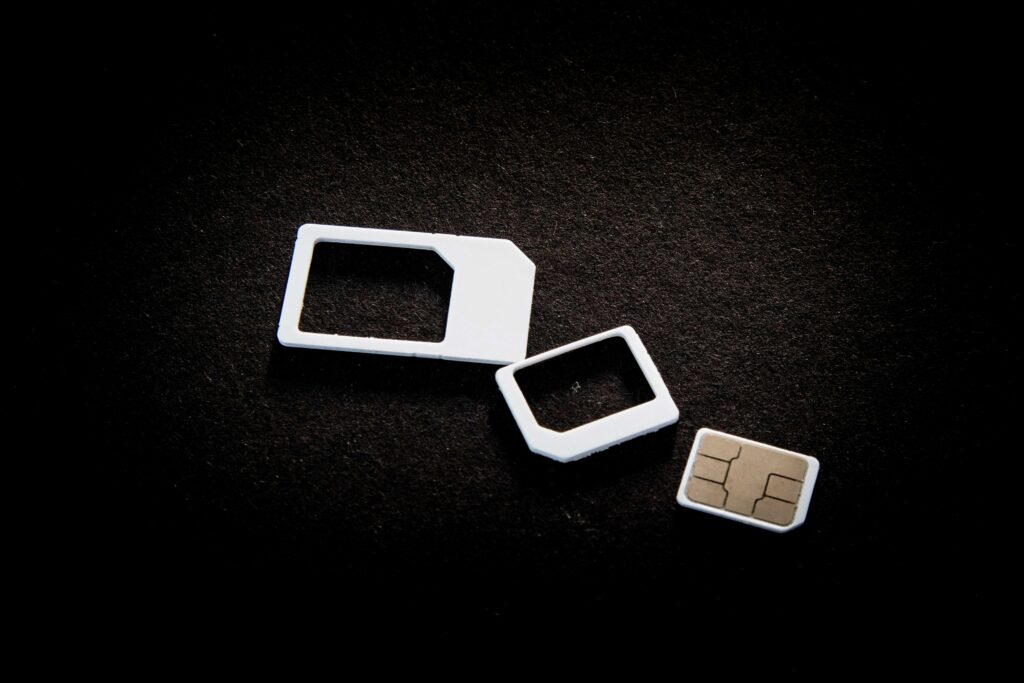
An eSIM will not get you through the border faster, but it will mean your phone is working while you wait. To keep an eye on your flight updates, rebooking options or even gate changes you will require a data connection. Activating an eSIM before departure keeps you connected from the moment you land, without hunting for Wi-Fi in a crowded terminal.

The best global eSIM provider
From $2.3/week
A reliable eSIM provider for budget travelers
From $2.4/week
The best global eSIM provider
From $2.3/week
A reliable eSIM provider for budget travelers
From $2.4/week
Our mission is simple: to make sure you never have to ask, “What’s the WiFi password?” again. All our tips come straight from personal experience — because we’d never recommend something we haven’t put to the test ourselves.
Reviews