

News
Between May 6 and 17, Rome will host a new edition of the Italian Open (Internazionali BNL d’Italia), featuring a 96-player draw. If you’re planning to follow it or experience it in person, there are a few things you should know. One of the most important is how to stay reliably connected to the internet.

Between May 6 and 17, the Italian Open (Internazionali BNL d’Italia) will take place at the Foro Italico in Rome. It is the third of the three ATP Masters 1000 clay tournaments. Organized by the Association of Tennis Professionals and, on the women’s side, a WTA 1000 event, it is the fifth Masters 1000 of the year and the final major test before French Open.
The winner takes home approximately €1,007,165 (based on 2026 estimates) and earns 1000 ATP ranking points. This is where strategies are refined, preparation is tested, and it becomes clear who is truly ready for Paris.
Keep reading for five key insights to understand the tournament and how to stay connected if you’re lucky enough to attend in person.
The Foro Italico opens with a 96-player draw, but some major absences are already shaping expectations.
The main storyline is clearly Jannik Sinner. The Italian arrives as the world No. 1 and the top favorite to win at home.
The major absence is Carlos Alcaraz, who has officially withdrawn due to a lingering wrist injury that also forced him out of Madrid. He will not defend his points or compete for the title this year.
The challengers: With Alcaraz out, the pressure shifts to:
Watch out for Daniil Medvedev, always unpredictable on clay, and Italy’s own Lorenzo Musetti, entering as a Top 10 player here for the first time.
On the WTA side, the rankings have shifted significantly:
Favorites:
There are also reported absences such as Veronika Kudermetova, along with late fitness doubts surrounding Emma Raducanu.
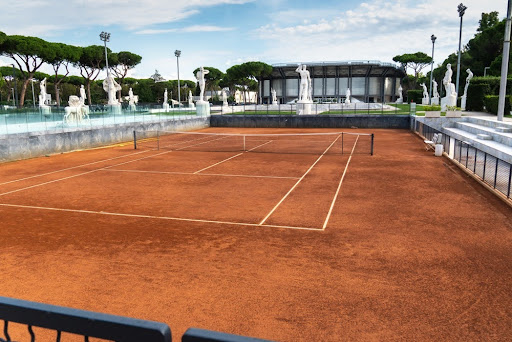
The tournament takes place at the Foro Italico, one of the most visually striking venues on the tour. The complex feels like a mix between an open-air museum and a sports arena.
Opened in 1932 as Foro Mussolini, it was part of a project to host the 1940 Olympic Games, which never took place due to World War II. Designed by Enrico Del Debbio and later expanded by Luigi Moretti, the venue draws inspiration from ancient Roman architecture.
The main stadium holds around 12,500 spectators, offering top-level tennis surrounded by classical statues and history.
The tournament runs from May 6 to 17, right in the heart of the European spring. It is the final major stop before Roland Garros, so many players arrive in peak form.
In Spain, matches are broadcast on Movistar Plus+ and Tennis TV.
In Latin America, coverage is provided by ESPN and Disney+.
If you’re planning to attend, you can buy tickets through the official tournament website.
Rome delivers a full experience beyond tennis. Between matches, the venue comes alive with terraces, shops, music, and Italian food.
From a creamy cacio e pepe to a refreshing gelato, you can fully enjoy your time in the Italian capital.
Spring temperatures usually range between 20 and 26°C, with occasional rain.
Keep in mind that the Central Court inside the Foro Italico holds over 10,000 spectators, which means mobile networks can become congested.
If you rely on free stadium WiFi, it may fail exactly when you want to upload a story or check a score.
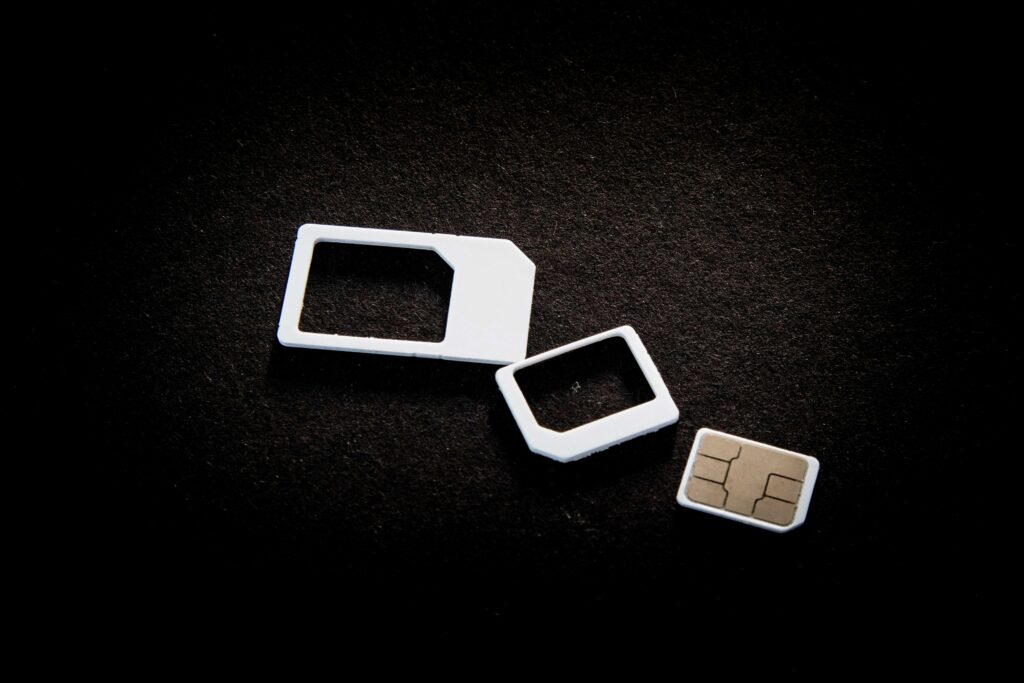
That’s why we recommend traveling with an eSIM. It’s a virtual SIM card that gives you stable internet from the moment you arrive, without relying on public networks or wasting time searching for signal.
You’ll be able to follow matches, reply to emails, share photos, or even work if needed, especially with an unlimited data plan.
At recent tournaments, increased mobile data usage from streaming, social media, and live apps has put serious pressure on stadium networks.
During high-profile matches, thousands of people try to connect at the same time, making venue WiFi unreliable.
At the same time, tournament organizers are adding more real-time digital experiences, like live stats, replays, and exclusive content, which increases demand even further.
Because of this, having your own mobile data is no longer just convenient. It is becoming an essential part of the live tournament experience.

The best global eSIM provider
From $2.3/week
A reliable eSIM provider for budget travelers
From $2.4/week
The best global eSIM provider
From $2.3/week
A reliable eSIM provider for budget travelers
From $2.4/week
Our mission is simple: to make sure you never have to ask, “What’s the WiFi password?” again. All our tips come straight from personal experience — because we’d never recommend something we haven’t put to the test ourselves.
Reviews