

News
Botswana has removed from its Penal Code the laws that punished same-sex relationships. It is a historic step forward, although it is still worth looking at the broader context carefully. If you think about traveling to Botswana, safaris and some of the most spectacular landscapes in southern Africa probably come to mind. But for many […]

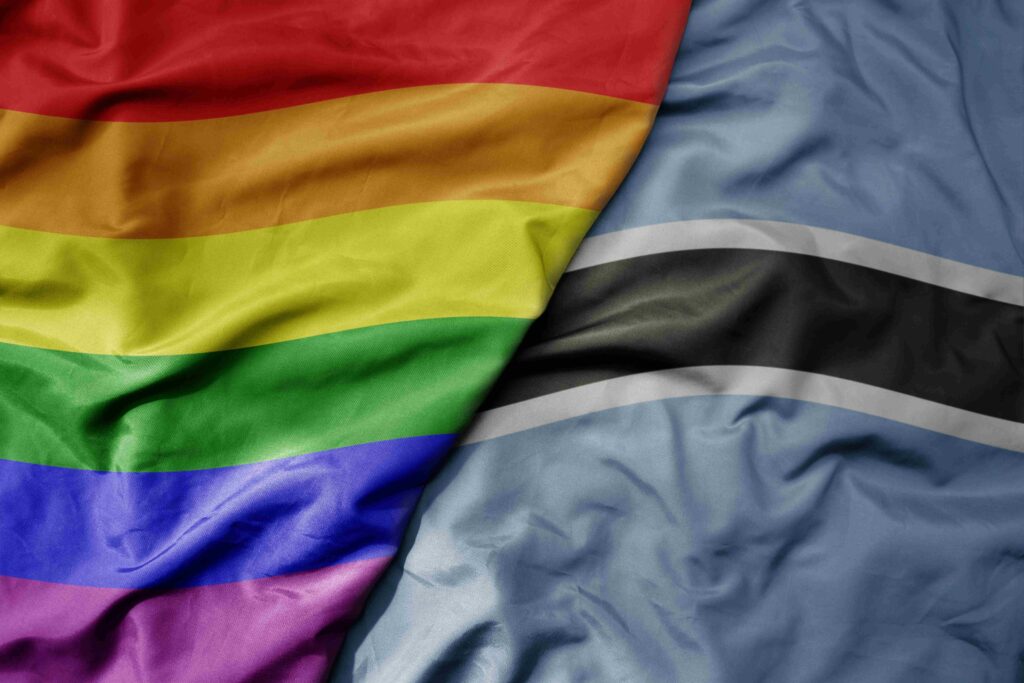
Botswana has removed from its Penal Code the laws that punished same-sex relationships. It is a historic step forward, although it is still worth looking at the broader context carefully.
If you think about traveling to Botswana, safaris and some of the most spectacular landscapes in southern Africa probably come to mind. But for many LGBTQ+ travelers, choosing a destination also means asking other questions: whether they will be able to travel comfortably as a couple, how they will be treated in hotels or tours, and how much distance exists between what the law says and what actually happens on the ground.
With the removal of the rules that penalized same-sex relationships, Botswana consolidates a change that its courts had already begun years ago. Even so, legal progress does not automatically mean that every environment is equally open. Before traveling, it is still useful to understand the social context and what a same-sex couple can realistically expect during their trip.
Botswana has removed from its Penal Code the provisions that punished consensual same-sex relationships. Although the news may sound recent, the legal shift had been developing for years. In 2019, the High Court declared the criminalization of same-sex relationships unconstitutional, and in 2021 the Court of Appeal upheld that decision.
What changes now is that those colonial-era provisions are also disappearing from the legal text itself. In other words, the Penal Code no longer contains laws that the courts had already deemed incompatible with rights such as dignity, privacy, and equality.
To put it simply: Botswana is not “legalizing” homosexuality from scratch today. It is completing the decriminalization process and removing a contradiction that still existed within its legislation.
From a legal perspective, Botswana is now a safer destination for LGBTQ+ travelers than countries where same-sex relationships are still criminalized. And these are not isolated cases. According to ILGA World maps updated in May 2026, more than 60 countries still criminalize consensual same-sex sexual relations.
The removal of these laws reduces legal uncertainty and sends a clear message: consensual relationships between adults of the same sex should no longer be treated as a crime.
But as we know, theory and practice do not always go hand in hand.
In Botswana, as in many destinations, social acceptance can vary depending on the area, the environment, and the type of interaction. In cities like Gaborone, the capital, or in established tourist circuits, there may be greater openness, while in rural areas or more conservative communities, it is still wise to act with more caution.
For same-sex couples, the reform represents a significant change: traveling together in Botswana is no longer overshadowed by a law that criminalized homosexual relationships. This provides more peace of mind, especially when booking accommodations, moving around the country, or participating in tourism activities.
Even so, it is still advisable to remain somewhat cautious in highly visible situations. The country is slowly evolving, but social change takes time, and public displays of affection, such as kissing or holding hands, may attract attention.
In practice, the most useful approach is the same one travelers apply in other destinations with more conservative social norms: observe the environment, choose accommodations with strong reviews, and avoid assuming that every space will be equally open-minded.
Even though the law has changed, the LGBTQ+ traveler experience may still depend heavily on who they book with. In a destination like Botswana, where much of the trip is often organized through lodges, safaris, transfers, and local agencies, choosing the right providers can be almost as important as choosing the route itself.
Before booking, it is worth checking whether the accommodation or agency displays clear anti-discrimination policies, responds naturally to questions from same-sex couples, or has recent reviews from other LGBTQ+ travelers.
It can also help to contact the lodge or tour operator directly if you are traveling as a couple and want to avoid uncomfortable situations upon arrival.
This does not mean travelers need to explain their personal lives before every booking. It simply means looking for signs of professionalism and respect. A good tourism provider should treat all travelers normally, but doing a quick check beforehand can help avoid misunderstandings during the trip.
The legal reform is a positive sign, but preparing carefully for the trip still matters. These tips can help you travel with more peace of mind:
Patience is important. The reform does not automatically turn Botswana into a perfect destination for LGBTQ+ travelers, but it does mark a before and after in a country where, until just a few years ago, a consensual relationship between two adults of the same sex could be punished with up to seven years in prison.
The country now offers greater legal clarity and distances itself from destinations where same-sex relationships are still criminalized.
Even so, the experience will still depend on the location, the accommodation, the tour operator, and everyday interactions. Botswana is now a more welcoming destination for LGBTQ+ travelers than it once was, but it is still advisable to travel informed, choose tourism providers carefully, and adapt behavior to the local context.

The best global eSIM provider
From $2.3/week
A reliable eSIM provider for budget travelers
From $2.4/week
The best global eSIM provider
From $2.3/week
A reliable eSIM provider for budget travelers
From $2.4/week
Our mission is simple: to make sure you never have to ask, “What’s the WiFi password?” again. All our tips come straight from personal experience — because we’d never recommend something we haven’t put to the test ourselves.
Reviews