


News
Rising fuel prices are already disrupting international travel. Airlines across Europe and the Americas are canceling routes, cutting frequencies, and reshaping networks as the oil crisis pushes operating costs higher ahead of the busy summer season.

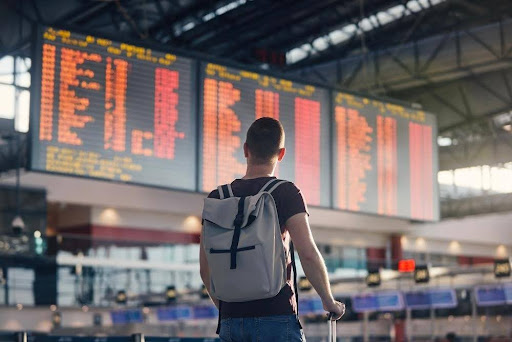
The oil crisis is already affecting international aviation and has led to the cancellation of key routes, including several connections between Latin America and Europe. Here’s which airlines are cutting flights and which routes have been hit hardest.
Rising aviation fuel prices are now a problem that directly affects passengers. The combination of more expensive oil, geopolitical tensions and rising operating costs is forcing several airlines to cut or cancel major international flights.
Here’s which connections are at risk and which companies have had to adjust their flight networks to adapt to this new situation.
The biggest news this week came from Spanish airline Plus Ultra, which confirmed the temporary suspension of its flights to and from Colombia from June 2. The company pointed directly to the rise in aviation fuel prices as the main reason behind the decision.
The situation left hundreds of passengers compulsively checking their emails to understand what will happen to their tickets between Colombia and Spain, one of the routes that had gained popularity thanks to its competitive fares.
What stands out most is that Plus Ultra is not scaling back its entire operation. In fact, while it is cutting Colombia, it will strengthen routes to Buenos Aires, Lima and Caracas, where it can still maintain profitable margins.
Translated into airport language: some routes simply stopped making enough money to justify the cost of fuel.
The fuel crisis is already forcing several European airlines to cancel routes and reduce operations ahead of the peak season. According to IATA, the price of jet fuel in Europe rose by 105.7% compared with last year.
Transavia, the low-cost airline of the Air France-KLM group, canceled flights between May and June, mainly on routes involving France, due to the rise in kerosene prices and tensions in the Middle East. KLM also announced the cancellation of 160 flights to and from Schiphol in the Netherlands, explaining that some routes were no longer profitable.
Turkish Airlines has also joined the list, suspending 18 international routes and reducing frequencies in Europe, Africa and Asia, including the Istanbul-Hurghada connection. The international destinations include Aqaba, Billund, Bissau, Fergana, Freetown, Havana, Hurghada, Juba, Kinshasa, Kirkuk, Leipzig/Halle, Libreville, Luanda, Lusaka, Monrovia, Najaf, Pointe-Noire and Turkistan.
Meanwhile, Lufthansa has already grounded around 20,000 flights to contain costs. The canceled routes include flights to and from Heringsdorf, Cork, Gdańsk, Ljubljana, Rijeka, Sibiu, Stuttgart, Trondheim, Tivat and Wrocław.
The fuel crisis is also hitting airlines in the United States. Several companies have started canceling routes, reducing operations and raising fares in response to the sharp rise in kerosene prices.
One of the most visible cases is Norse Atlantic Airways, which removed Los Angeles from its summer schedule because of high operating costs. Spirit Airlines, meanwhile, shut down operations and suspended all its flights after failing to withstand the rise in expenses.
The pressure has also reached giants such as American Airlines, United, Delta and Southwest, which have begun passing part of the costs on to passengers through higher fares and new baggage charges.

The best global eSIM provider
From $2.3/week
A reliable eSIM provider for budget travelers
From $2.4/week
The best global eSIM provider
From $2.3/week
A reliable eSIM provider for budget travelers
From $2.4/week
Our mission is simple: to make sure you never have to ask, “What’s the WiFi password?” again. All our tips come straight from personal experience — because we’d never recommend something we haven’t put to the test ourselves.
Reviews