

News
Mexico is preparing to welcome more than 5.5 million tourists during the 2026 World Cup, but not everyone will be travelling just for football. More and more people are planning to settle in for several weeks, or even months, working remotely in the morning and watching matches in the afternoon. It is a trend that is already transforming cities such as Mexico City, Guadalajara and Monterrey.

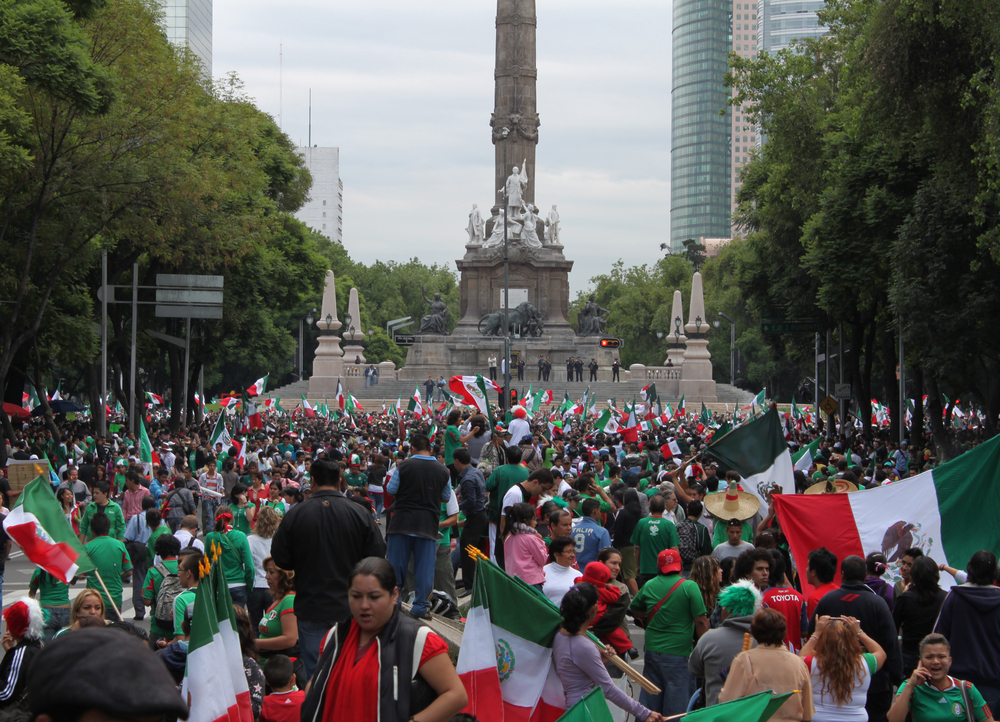
Digital nomads are making headlines again, but this time the focus is on Mexico. The 2026 World Cup will not only attract fans, but also a type of traveller who combines work and leisure and could become important for the local economy.
This boom, however, also exposes an unresolved issue: the current legal framework is still not clearly set up to accommodate people working remotely from the country. And that could limit some of the economic impact expected in the coming months.
The 2026 World Cup will begin on 11 June and run until 19 July, in a historic edition jointly hosted by Mexico, the United States and Canada.
Mexico will host 13 of the 104 matches, but the impact goes far beyond the sporting calendar. Cities such as Mexico City, Guadalajara and Monterrey are already positioning themselves as key destinations for people who want to stay for weeks and experience the tournament in a different way.
The broader context is already pointing in that direction. According to the Secretariat of Tourism, Mexico started 2026 with historic figures: 8.84 million international visitors arrived in January, 10% more than the previous year.
This growth is no coincidence. It reflects a global trend that became firmly established after the pandemic, when remote work stopped being an exception and became a real option for millions of professionals. Since then, more and more people have been looking for flexibility and the chance to work from anywhere. In fact, it is estimated that more than 60% aspire to this kind of lifestyle.
The host cities are already feeling the effects of this shift in traveller profile:
Unlike traditional tourists, these travellers do not stay for just a few days to visit three monuments, buy a few souvenirs and move on. They remain for weeks and adopt a rhythm closer to local everyday life.
In many cases, they are professionals who can work from anywhere: designers, developers, consultants or other digital profiles who combine working days with local experiences.
This type of traveller is especially attractive because they do not concentrate their spending in specific tourist areas, but spread it across neighbourhoods, local businesses and everyday services. It is a dynamic that can benefit the urban economy more broadly.
Beyond the destination itself, the key for this type of traveller is connectivity and flexibility. Their way of travelling does not depend only on flights or accommodation, but on being able to work normally from anywhere.
To do this, they usually rely on several tools:
This combination allows them to move between cities, change surroundings frequently and keep working without interruptions.
Despite the economic potential, Mexico still does not have clear, specific regulations for digital nomads. This creates an ambiguous situation: many people work remotely from the country on tourist permits, without a defined legal status, which limits the ability to fully benefit from their impact.
In fact, the debate has already reached the legislative sphere. In recent months, initiatives have been proposed to adapt migration rules and make it easier for remote workers to stay during international events such as the World Cup. Among the proposals is the possibility of creating specific categories or making visas more flexible for extended stays linked to digital work.
For now, however, these measures have not been fully implemented. This puts Mexico in an intermediate position compared with other destinations that have already developed specific visas for digital nomads, with clear tax and residency conditions.
Some experts warn that, without these adjustments, part of this flow could shift towards countries that offer greater legal certainty for this type of stay.
So, the World Cup, which at first seemed like something as simple and celebratory as a series of football matches, eagerly awaited by fans, has put something more relevant in the spotlight: a change in the way people travel, work and relate to destinations.
The arrival of digital nomads, the economic boost in host cities and the need to adapt the legal framework reflect a transformation that goes beyond sport. Football, a truly global phenomenon, remains the reason. But the way people experience it is changing.

The best global eSIM provider
From $2.3/week
A reliable eSIM provider for budget travelers
From $2.4/week
The best global eSIM provider
From $2.3/week
A reliable eSIM provider for budget travelers
From $2.4/week
Our mission is simple: to make sure you never have to ask, “What’s the WiFi password?” again. All our tips come straight from personal experience — because we’d never recommend something we haven’t put to the test ourselves.
Reviews