

News
At CES 2026, RayNeo unveiled AR glasses with a built-in 4G eSIM, allowing them to connect without a phone. The bigger story is that major telecom operators are now backing the technology, signaling a future where every device has its own mobile connection.

For years, the eSIM has been a phone story. You buy a travel data plan, scan a QR code, and the little embedded chip inside your handset does the rest. However, the same technology is now being designed into glasses, watches, tablets and a sprawling list of machines that have nothing to do with making calls - and the announcement that kicked off 2026 made the shift impossible to ignore.
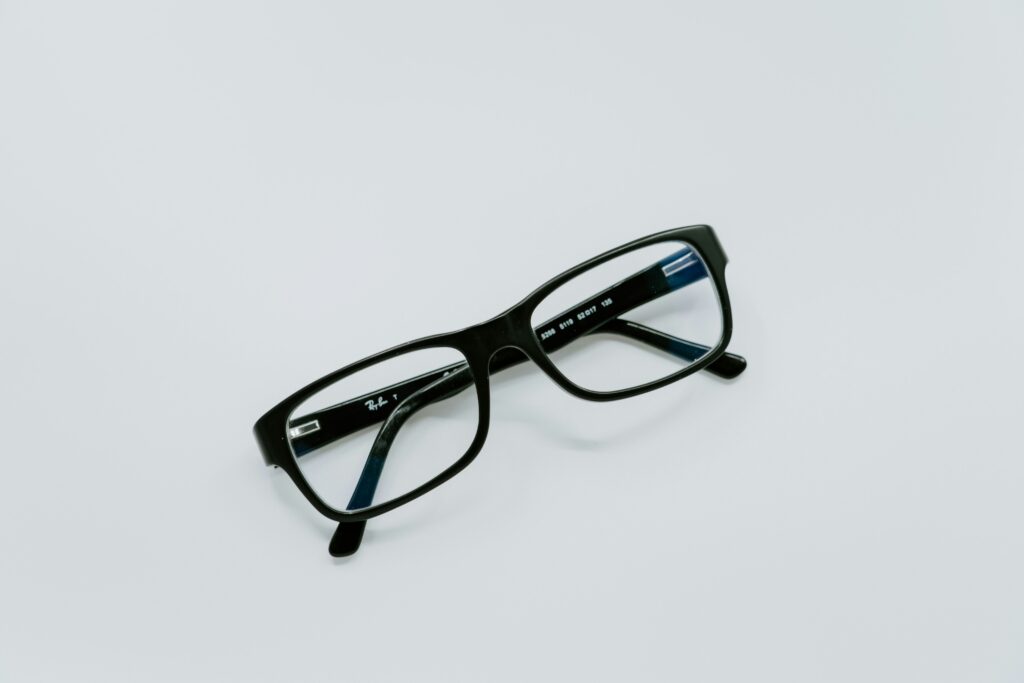
On 4 January 2026, ahead of CES in Las Vegas, RayNeo unveiled a prototype it calls the X3 Pro – Project eSIM, describing it as the world's first consumer AR glasses concept with an integrated eSIM and 4G connectivity. The pitch is independence: by putting a camera, a display and a cellular radio directly into the frames, the glasses become a standalone device rather than an accessory tethered to your phone.
In practice, RayNeo says that means you could leave the phone at home on a run or in the car and still take calls, stream music, and use real-time translation across 14 languages straight from the glasses. Photos and video sync to the cloud the moment they're captured, over the glasses' own connection.
However, bear in mind that this is a concept prototype, not a product you can buy yet. RayNeo is the current AR-glasses market leader, Counterpoint Research put it at roughly a quarter of the global market and the top spot in late 2025, but Project eSIM is a statement of direction, not a launch.
The more telling news sits underneath the gadget. RayNeo's new funding round was joined by Unicom Innovation Capital, a subsidiary of China Unicom, and the investment arms of China Mobile. The company described it as the first strategic entry of China's major telecom operators into the smart-glasses sector.
That's a bigger deal than it sounds. When carriers start funding a device category, they're signalling they expect to sell data plans for it. RayNeo openly floated the model: "device-with-plan" subscriptions, the same way phones have long been sold, plus operator help with eSIM management and 5G-Advanced networks.
In other words, the people who build mobile networks are betting that your face-worn computer will need its own line.
If a pair of always-connected glasses sounds far-fetched, look at your wrist. Cellular smartwatches have used eSIMs for years to carry their own number and data, independent of a phone. The glasses are simply the next, more dramatic example of the same idea.
Your wrist already has options, see every eSIM smartwatch that's out there.
Zoom out and the numbers behind the trend are striking.
The throughline is that the eSIM is shifting from a phone feature to a piece of infrastructure - the default way almost anything with a chip gets online.
For people who move across borders, the implications are practical. Today most travellers manage one eSIM data plan, on one phone. The near future looks more like a small fleet: a phone, a watch, maybe a tablet, and eventually glasses.
That changes the question from "which SIM goes in my phone?" to "how do I keep several devices online affordably while abroad?" It's the same problem travel eSIMs already solve, scaled up. Expect providers to lean further into multi-device and shareable plans, and into letting one account feed several gadgets, rather than selling a separate plan for every screen you own.
There's also a quieter privacy angle worth mentioning. A pair of glasses that films, connects and uploads to the cloud on its own (over a network you may not control while roaming) raises questions a phone in your pocket doesn't. Camera etiquette, local recording laws and where your footage is being stored all become travel considerations the moment the device, not you, is doing the uploading.
The smartphone isn't going anywhere soon. But the next time you're sorting out data plans before a trip, you might be doing it for more than one device. A phone, a watch, a pair of glasses - each with its own connection, each needing a plan that works across borders. Travel eSIMs already solve this for your phone. The infrastructure for everything else is being built right now.

The best global eSIM provider
From $2.3/week
A reliable eSIM provider for budget travelers
From $2.4/week
The best global eSIM provider
From $2.3/week
A reliable eSIM provider for budget travelers
From $2.4/week
Our mission is simple: to make sure you never have to ask, “What’s the WiFi password?” again. All our tips come straight from personal experience — because we’d never recommend something we haven’t put to the test ourselves.
Reviews