


News
Malta wants to become a pioneer and Europe’s AI leader. To do that, it will provide free access to ChatGPT Plus for one year to citizens and residents. But first, they will have to meet one unusual condition.

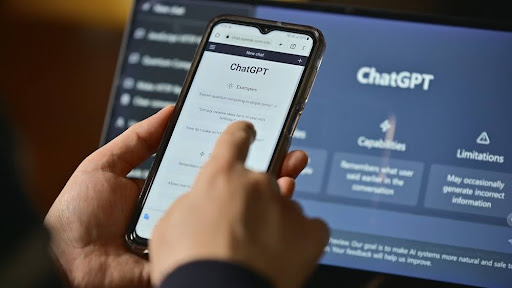
Malta wants to become the first country in the world to offer free ChatGPT Plus to its citizens and residents. It sounds like an easy headline, but there is something more interesting behind it: this is not just about giving access to AI, but about a much deeper shift.
While other governments are still debating how to regulate tools like ChatGPT or limit their impact in schools and workplaces, Malta decided to do the opposite: accelerate AI adoption nationwide. The initiative is part of a broader strategy to turn the country into one of Europe’s most aggressive AI hubs, investing in education, productivity, and digital transformation at the same time.
And while the idea of giving away a premium subscription is already enough to grab attention, the real goal lies in what they hope people will actually do with it.
On May 16, Malta announced an unusual partnership with OpenAI: offering free ChatGPT Plus access to all citizens and residents. On paper, this is the first time a country has proposed giving mass access to an AI tool of this kind.
But the announcement is not just about giving away a subscription. It is part of a broader idea that OpenAI summarizes like this:
“We believe that, like electricity, intelligence should be available to people, businesses, and institutions to use as much as they need, when and where they need it. But that vision only works if people can use these tools in ways that genuinely improve their lives and communities.”
The government-backed program turns the usual model upside down: train people in AI first, then provide access to the tool only after they complete the process.
ChatGPT Plus is OpenAI’s paid AI subscription, costing around €23 per month. In return, users get access not only to the basic chatbot, but also to more advanced models capable of stronger reasoning, image generation, more complex project work, and coding assistance.
It also includes fewer restrictions. Users can make more requests, generate more content including text, images, and audio, and access more powerful tools without running into limits halfway through. In practice, it is the difference between occasionally using AI and truly integrating it into daily life.
This is where Malta completely changes the approach. Wanting ChatGPT Plus is not enough. People first need to demonstrate they know how to use AI responsibly.
Access to the free subscription is tied to completing a basic AI training course. In other words, before giving you the tool, they teach you how to use it.
The course, developed by the University of Malta, is designed for any citizen or resident and does not require previous knowledge. No long lectures or complicated formats, just short and direct online lessons, which makes sense in 2026.
According to Malta’s Digital Innovation Authority, the goal is practical: understand what AI is, what it can and cannot do, and how to use it responsibly both at home and at work.
Because the issue is not simply gaining access to AI. It is learning from past mistakes and understanding how to use it correctly.
This is not an isolated move either. OpenAI is already collaborating with governments in countries such as Estonia and Greece to integrate similar AI education programs into school systems, suggesting this model could expand beyond Malta.
Attention: Malta is not only thinking about its citizens. It is also one of the European countries most actively trying to attract international talent.
Through the Nomad Residence Permit, professionals outside the EU can live and work remotely from the island for up to three years and potentially gain access to initiatives like this one.
Beyond that, there are a few important things any digital nomad should know before considering Malta:
Internet connectivity: Good coverage and internet speeds across most of the country, especially in urban areas like Valletta and Sliema. Still, it is worth checking roaming options or alternatives such as eSIMs or SIM cards before arriving.
Workspaces and lifestyle: A unique combination of modern infrastructure and a much more relaxed lifestyle than many other European cities.
Adapters and plugs: It may sound minor, but it matters. Malta uses Type G plugs, so you will need an adapter to work comfortably from day one.
This is not the first time a country has tried bringing AI closer to its citizens, but Malta is doing more than just making access easier. It is pairing access with something many initiatives overlook: understanding the technology itself.
While other models focus on putting tools into people’s hands, Malta’s logic is almost reversed: understand first, use later.
At a time when more and more people interact with AI without fully understanding how it works or how wrong it can sometimes be, that choice feels significant.
Because the issue is not technology itself, but the relationship we build with it.
Today, some people already use AI as if it were a therapist, a doctor, or even an authority figure that always has the correct answer. That is where problems begin: when we stop questioning the output and lose our own judgment and curiosity.
Used without critical thinking, AI can amplify mistakes or create a false sense of certainty.
That is why some basic understanding matters. The goal is to start using AI for what it really is: a tool that supports, expands, and simplifies parts of a process, but does not replace human thinking.
And that is where Malta’s model becomes interesting. Not because it gives away ChatGPT Plus, although that will obviously be popular, but because it attempts to integrate AI into a more conscious model where access and education move forward together.
At its core, the idea is simple: if technology moves quickly, the only way not to fall behind is not by slowing down, but by learning how to move with it without leaving the human element behind.

The best global eSIM provider
From $2.3/week
A reliable eSIM provider for budget travelers
From $2.4/week
The best global eSIM provider
From $2.3/week
A reliable eSIM provider for budget travelers
From $2.4/week
Our mission is simple: to make sure you never have to ask, “What’s the WiFi password?” again. All our tips come straight from personal experience — because we’d never recommend something we haven’t put to the test ourselves.
Reviews