

News
The EU wants to extend its roaming-free zone to Albania, Bosnia and Herzegovina, Montenegro, North Macedonia and Serbia. Nothing changes this summer, but roaming fees between the EU and the Western Balkans could eventually disappear.


The European Commission announced on 25 February 2026 that it wants to open negotiations with Western Balkan economies to integrate them into the EU's roaming-free area. For anyone who regularly travels between, say, Sarajevo and Vienna, or Belgrade and Berlin, it is one of the more quietly consequential telecom stories of the year.
Here is what was actually proposed, why it matters, and what you can do about your connection right now while the lawyers get to work.
The proposal is a green light to start negotiating, not a switch being flipped. The Commission has asked for a mandate to open talks with each of the partners (Albania, Bosnia and Herzegovina, Montenegro, North Macedonia and Serbia) so they can be brought into the "Roam Like at Home" (RLAH) framework.
The end goal is simple to describe: once agreements are finalized with each country, and once each has fully aligned its rules with the EU's roaming regulation, people travelling between the EU and the Western Balkans would be able to call, text and use mobile data at their normal domestic rates.
That last part is the important one. This is not just a perk for Western Balkan citizens visiting the EU, it cuts both ways. An EU traveller holidaying on the Montenegrin coast, or working a contract in Belgrade, would also use their phone as if they were at home.
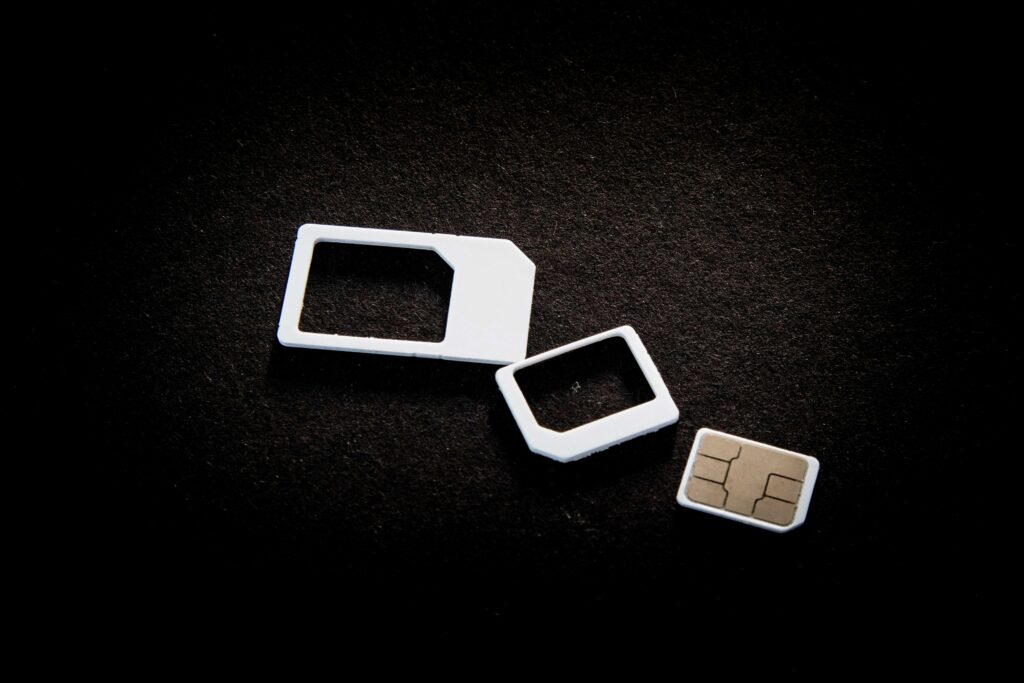
Free roaming is coming to the Balkans, just not this summer, pick the right SIM card for your Serbia trip in the meantime.
Roaming reform is usually a dry subject. In this region it is not, because the Western Balkans has one of the most travel-intensive relationships with the EU on the continent. Huge diaspora communities live and work across Germany, Austria, Switzerland and Italy, and travel home constantly. Cross-border trade, tourism and family ties mean a phone that works affordably on both sides is something people feel in their pockets several times a year.
For now, that connection still comes with a cost. The Western Balkan already enjoy free roaming among themselves - a regional "Roaming Free Western Balkans" agreement has been in place since July 2021, so a Bosnian SIM works at home rates in Serbia or North Macedonia. The expensive gap has always been the leap across the EU border.
That gap has been shrinking, slowly, on a voluntary basis. At the EU–Western Balkans Summit in Tirana in December 2022, 38 telecom operators from both sides signed a Roaming Declaration, and the first real price cuts took effect on 1 October 2023.
The mechanism was a set of falling price caps on data. The maximum retail price for one gigabyte used while roaming was set at €18 from October 2023, dropping to €14 in 2026, and to €9 in 2028, with the stated ambition of getting close to domestic prices over time and yearly reviews along the way.
The Western Balkans move does not come out of nowhere. The EU's roaming-free area has been growing on its edges.
On 1 January 2026, Ukraine and Moldova officially joined Roam Like at Home, after the Council adopted the decision in July 2025. EU citizens can now use their phones in Ukraine and Moldova (and Ukrainian and Moldovan visitors in the EU) without extra charges, exactly as they would at home. The bloc's telecom regulator, BEREC, has already revised its 2026 roaming guidelines to reflect that geographic extension.
Together with the long-standing inclusion of Iceland, Liechtenstein and Norway, the direction of travel is obvious: the EU is steadily widening the circle of countries where your phone simply works at home rates. The Western Balkans is the next, and largest, candidate.
This is the part to manage expectations on. A proposal to open negotiations is the first step in a multi-stage process. Talks have to be authorized, agreements have to be concluded with each of the five partners individually, and each country has to fully align its national rules with the EU's roaming regulation before the benefits switch on.
The Commission has not attached a firm date, and there is no reason to expect a quick finish, Ukraine and Moldova's accession to the zone took its own multi-year path. In other words, this is genuinely good news for the medium term, but it will not lower anyone's roaming bill for the 2026 travel season.
Until full Roam Like at Home arrives, the maths still favours planning ahead. While Brussels works through the paperwork, here is what works now:
The bottom line: the EU has signalled that roaming surcharges between the bloc and the Western Balkans are on borrowed time. They just are not gone yet - so for this summer, a little planning still pays for itself.

The best global eSIM provider
From $2.3/week
A reliable eSIM provider for budget travelers
From $2.4/week
The best global eSIM provider
From $2.3/week
A reliable eSIM provider for budget travelers
From $2.4/week
Our mission is simple: to make sure you never have to ask, “What’s the WiFi password?” again. All our tips come straight from personal experience — because we’d never recommend something we haven’t put to the test ourselves.
Reviews