

News
This summer's World Cup is the first ever played across three countries, and football fans chasing their team between the USA, Canada and Mexico could fly home to a phone bill running into the thousands. Here's exactly how the roaming trap works, why the tournament makes it worse than any World Cup before it, and the cheap, simple fix that keeps you connected for the price of a couple of beers at the stadium.


For the first time in the tournament's history, one World Cup will be spread across three different nations. The action kicks off on June 11, when Mexico faces South Africa, and runs all the way to the final on July 19. It's also the first 48-team edition, which means more matches, more cities, and more fans criss-crossing North America than ever before.
That's where the trouble starts. Most people understand that using your phone "abroad" can be pricey. What very few realize is that this World Cup doesn't take you to one foreign country, it can take you to three. And for your phone, crossing each border is like starting the meter all over again.
Here's the thing - when you travel overseas, your phone stops using your home network and "roams" onto a local one (and your provider charges you for the privilege). Many travel plans and roaming passes are sold per country or per region, and the deals that cover one nation often don't cover the next.
So a fan who watches games in the United States, then drives north into Canada, then flies south to Mexico hasn't taken one trip in the eyes of their phone company. They've taken three. Each border crossing can trigger a different rate, a different daily fee, or a roaming pass that simply stops working the moment they leave the country it was bought for. The bill quietly stacks up in the background, and you don't see the damage until you're home.
To understand why this gets scary, it helps to know one thing: a megabyte (MB) is tiny, and a gigabyte (GB) is a thousand of them. A few MB might be a handful of photos or a couple of minutes of maps. A single GB (which a lot of us burn through in a single day of messaging, maps and the odd video) is 1,000 MB.
Now look at what some providers charge if you don't have a plan in place. If you're on Verizon and you let your phone roam on a pay-as-you-go basis, the rate is $2.05 for every single megabyte. Multiply that by 1,000 MB in a gigabyte and you get a bill of more than $2,000 - for one day's normal phone use.
Over in the UK, Vodafone customers without an included-roaming plan pay around £8 a day just to use their normal allowance abroad. Sounds harmless, until you remember the tournament can last weeks and span three countries. £8 a day for a fortnight is over £100 before you've done anything except check the score and message the group chat.
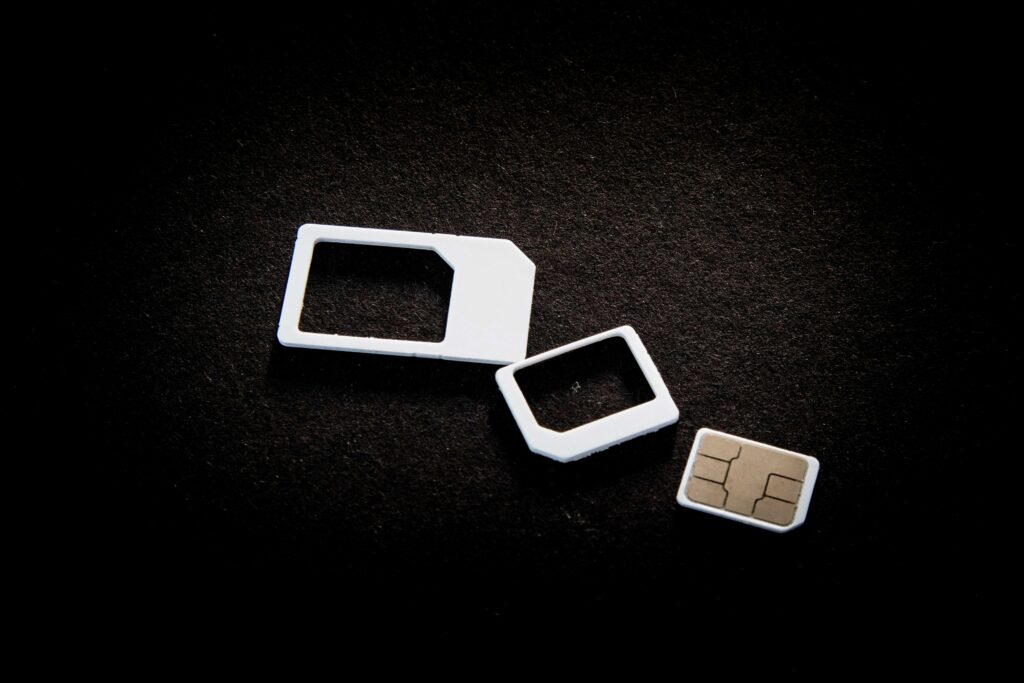
This is where an eSIM solves the whole problem. An eSIM is simply a digital SIM card, there's no little plastic chip to swap. You buy a plan online, download it to your phone before you fly, and keep your normal number for calls and WhatsApp.
The key advantage for this World Cup is coverage. Instead of juggling a US pass, a Canada add-on and a Mexico rate, you can get a single North America eSIM that covers all three host countries on one plan. Providers such as Airalo and Holafly have built plans aimed squarely at exactly this kind of multi-country trip.
A few simple habits will keep you connected and your bank balance intact.
Until you've set up a travel plan, switch roaming off in your settings. This stops your phone quietly racking up charges at the airport before you've even collected your bags.
Set it up at home on Wi-Fi, choose a plan that covers the USA, Canada and Mexico, and you're connected the second you land.
Free airport, café and hotel networks are convenient but often insecure, and they vanish the moment you step outside. Treat them as a bonus, not a backup.
Check your usage in your phone's settings every day or two. It takes 10 seconds and it's the easiest way to catch a problem before it becomes a bill.
Before buying anything, look at your current plan. Some unlimited and premium plans already include Canada and Mexico. If yours does, you may only need to top up for the gaps.
The World Cup should be remembered for the goals, not the bill. A little planning before you board turns the roaming trap into a non-issue, and lets you spend the tournament watching the match instead of watching your data.

The best global eSIM provider
From $2.3/week
A reliable eSIM provider for budget travelers
From $2.4/week
The best global eSIM provider
From $2.3/week
A reliable eSIM provider for budget travelers
From $2.4/week
Our mission is simple: to make sure you never have to ask, “What’s the WiFi password?” again. All our tips come straight from personal experience — because we’d never recommend something we haven’t put to the test ourselves.
Reviews