




The World Health Organization has declared an international public health emergency over a new Ebola outbreak in Central Africa. The headline sounds alarming, and it is understandable to wonder whether it affects a planned trip to Morocco, Egypt, South Africa, or any other African destination.
The reality is more nuanced than it may seem. The outbreak remains concentrated in specific areas, and what matters most is understanding whether your destination is actually affected.
The current outbreak has its epicenter in the Democratic Republic of the Congo, particularly in Ituri province, and has already recorded linked cases in Uganda, including Kampala. The World Health Organization declared it a Public Health Emergency of International Concern (PHEIC), its highest global alert level used when there is a risk of spread across borders and a need for international coordination.
This does not mean the world is facing another pandemic or that travel across Africa is broadly unsafe. The declaration is designed to strengthen surveillance systems, coordinate resources, and speed up response efforts while authorities work to contain transmission.
Although the main focus remains concentrated in specific regions, cases appearing outside the epicenter have increased concern about potential cross-border spread.
This is where confusion usually starts: Africa is not a single destination. Despite the large-scale headlines, the outbreak is concentrated in specific regions of the Democratic Republic of the Congo and Uganda.
For most tourists traveling to destinations such as Morocco, Tunisia, Egypt, Kenya, Tanzania, or South Africa, the situation remains unchanged.
Morocco and Tunisia are thousands of kilometers away from the outbreak area. There are currently no Ebola-related travel warnings affecting these destinations.
Cape Verde does not appear in any Ebola travel advisories and maintains standard health recommendations.
Senegal has no Ebola outbreak warning, although travelers should still review routine vaccination guidance before departure.
Neither Kenya nor Tanzania currently has Ebola-related alerts. Health recommendations remain focused on routine travel precautions such as vaccinations, mosquito bite prevention, and food and water safety.
For most travelers, malaria or common infections continue to represent a far more realistic health concern than Ebola.
South Africa is well outside the outbreak zone and currently has no Ebola-related advisories.
Egypt has no link to the current outbreak and no Ebola-related warnings. Existing travel advice remains centered around standard precautions such as vaccinations and food safety.
Ebola is not easily transmitted through casual contact.
According to the World Health Organization, infection occurs through direct contact with bodily fluids from an infected person or contaminated surfaces. It does not spread through the air like the common cold and generally requires close exposure, often in healthcare or caregiving settings.
For tourists, the overall risk remains very low, especially if they are not traveling to affected areas.
At this stage, not broadly.
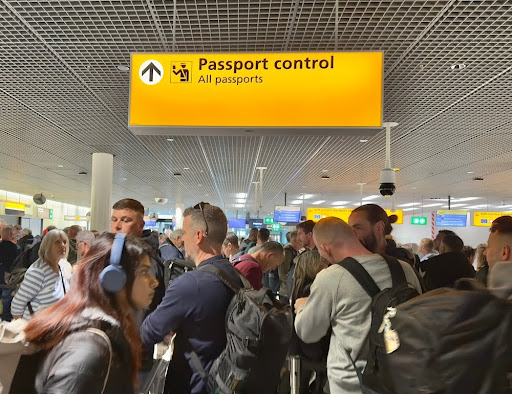
Neither the WHO nor international health authorities have recommended widespread border closures or flight suspensions because of the outbreak.
What may happen is the implementation of additional health screening measures at airports, including temperature checks, traveler health forms, or increased monitoring of passengers arriving from affected areas.
If you are traveling to Africa in the coming weeks, health experts and official authorities recommend:
Check official travel advisories
Review your country's travel recommendations shortly before departure.
Avoid specifically affected regions
If your itinerary includes Uganda or the Democratic Republic of the Congo, review affected provinces and any local restrictions carefully.
Get travel insurance with medical coverage
This is always recommended, but it becomes even more important during evolving health situations.
Follow basic hygiene precautionsFrequent hand washing, avoiding contact with sick individuals, and using common-sense precautions remain important.
Stay informed before and during your trip
Travel situations can evolve. Staying connected through a local SIM or eSIM and checking official updates before departure can help avoid surprises.
If your destination is a common tourist location such as Morocco, Egypt, South Africa, or Kenya, the current outbreak is unlikely to affect your plans.
Still, it is worth checking official guidance before departure and staying informed, especially if your itinerary includes Central Africa or regional transit connections.

The best global eSIM provider
From $2.3/week
A reliable eSIM provider for budget travelers
From $2.4/week
The best global eSIM provider
From $2.3/week
A reliable eSIM provider for budget travelers
From $2.4/week
Our mission is simple: to make sure you never have to ask, “What’s the WiFi password?” again. All our tips come straight from personal experience — because we’d never recommend something we haven’t put to the test ourselves.
Reviews