

News
Cheap flights, kitesurfing, and new resorts are turning Dakhla into one of North Africa’s trendiest destinations. But behind the tourism boom lies a more complicated reality: the city is located in Western Sahara, a disputed territory whose status remains unresolved.

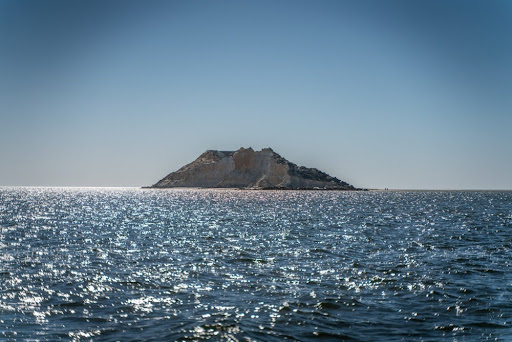
Cheap flights, new resorts, and a lagoon perfect for kitesurfing have put Dakhla on Morocco’s tourism map. But this Atlantic getaway is not as simple as it seems.
Dakhla is appearing more and more in flight ads, accommodation platforms, and travel guides as a different kind of escape: less crowded, with Atlantic landscapes, wind sports, and beachfront stays. The part that does not always appear in the marketing is that the city is located in Western Sahara, a territory still pending decolonization.
That is why presenting it as a Moroccan destination has sparked a debate that goes beyond tourism: what information travelers receive and what part of the story is left unexplained.
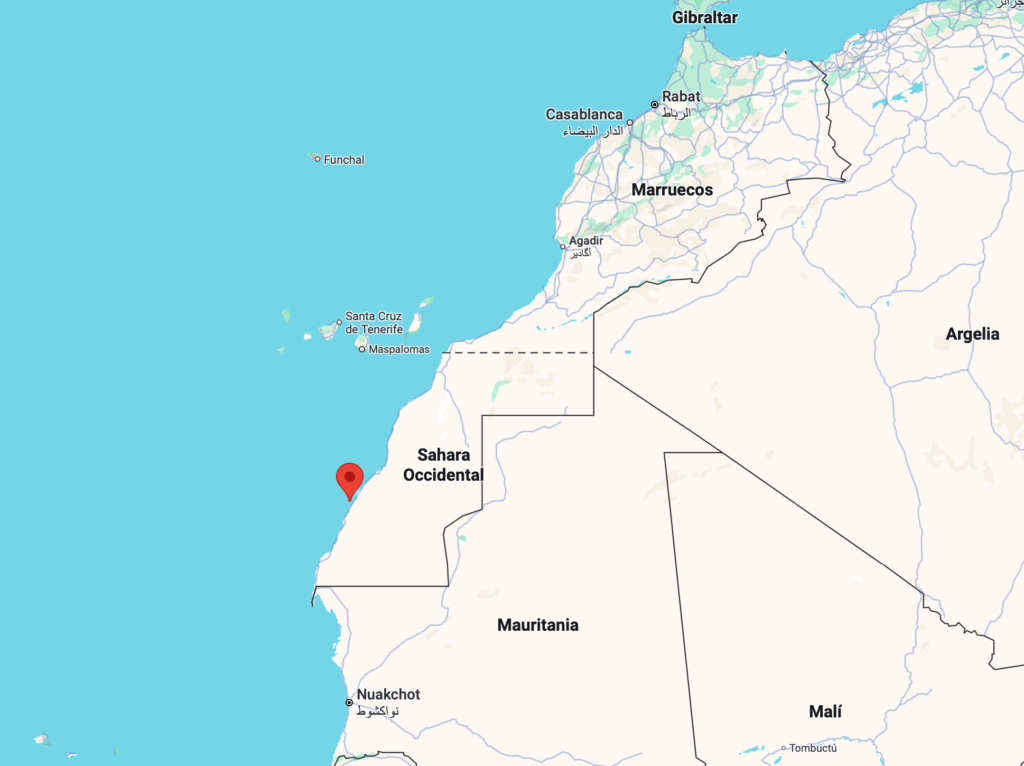
To understand the controversy around Dakhla, you first need to place it on the map. The city is located in Western Sahara, a territory that was a Spanish colony until 1976 and whose international status remains unresolved. The United Nations considers it a non-self-governing territory, meaning it is still pending a decolonization process.
Morocco administers much of the area and refers to it as its “southern provinces,” while the Polisario Front claims the Sahrawi people’s right to self-determination. That difference between how the territory is administered and how it is internationally recognized explains much of the current debate surrounding its tourism promotion.
That idea appears repeatedly in travel searches and guides. Morocco’s official tourism website describes Dakhla as a “small piece of paradise in southern Morocco,” while blogs and kitesurfing schools present it as “the pearl of southern Morocco” or “the kitesurfing paradise.”
The appeal is easy to understand from any traveler’s perspective: nature, good weather, flights from Madrid, Paris, or the Canary Islands, and an offer that still feels far from the overcrowding seen in other Moroccan destinations. The nuance is that Dakhla is promoted not only as a beach destination, but also as part of a country brand, despite being located in Western Sahara.
One of the key elements accelerating interest in Dakhla is connectivity. For European travelers, direct flights completely change how the destination is perceived: it no longer feels remote and instead becomes an accessible getaway for sun, wind, and nature.
Alongside Royal Air Maroc routes, European airlines such as Ryanair, Transavia France, and Binter Canarias have added connections from Madrid, Paris, and the Canary Islands. That improvement explains why Dakhla is appearing more often in searches, advertisements, and travel offers.
The debate lies in how the destination is presented to travelers. According to the BBC, Ryanair promoted Dakhla as a “Moroccan adventure,” and both Ryanair and Transavia France list some Western Sahara destinations as part of Morocco. The only airline identifying them as Western Sahara is Binter Canarias, which operates flights to both Dakhla and El Aaiún.
The same logic appears on major accommodation platforms. According to a BBC investigation, Expedia, Booking.com, and Trivago place hotels in the area under Morocco. And that is where the issue begins for travelers: if a trusted platform presents Dakhla as Morocco, who stops to check that the destination is actually located in a territory whose international status remains unresolved?
The controversy is not that Dakhla lacks tourist appeal; it clearly has it. The issue is how the destination is presented and what information travelers receive when it is shown simply as another Moroccan getaway.
According to the BBC, human rights organizations and legal experts argue that labeling Western Sahara as part of Morocco raises concerns under international law. They also warn that it may contribute to normalizing a territorial situation that remains unresolved.
For travelers, the important part is simpler: tourism promotion rarely explains that Western Sahara was a Spanish colony until 1976, that the self-determination referendum planned after the 1991 ceasefire never took place, and that the Sahrawi people continue to demand the right to decide their future.
In other words, the controversy is not so much about the people who travel there, but about how the destination is presented to them: what information they receive before booking and what context disappears when Dakhla is marketed simply as a Moroccan escape.
Whether or not to travel to Dakhla is a personal decision, but it is worth making that decision with full information. It is not the same to book a getaway presented as “southern Morocco” as it is to know the trip leads to Western Sahara, a territory whose international status remains unresolved.
Before booking, check how the destination is identified by the airline or accommodation platform, what official travel advisories say, and whether your travel insurance covers the area without exclusions. It is also worth checking who operates the accommodations, excursions, or activities, especially if the trip includes routes outside Dakhla.
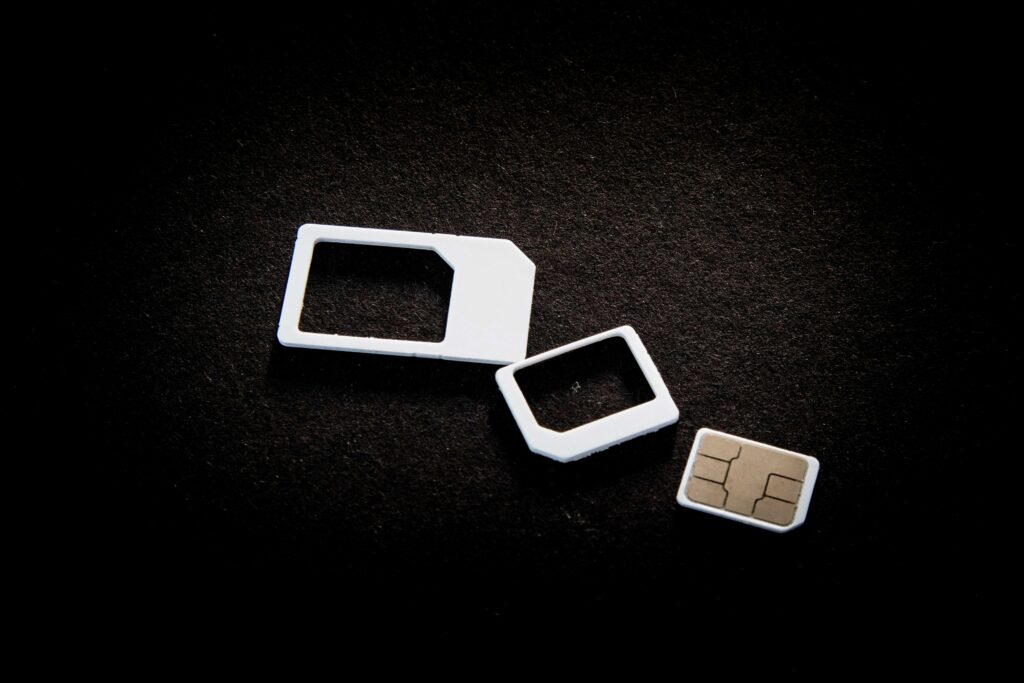
On a practical level, prepare your connectivity in advance. If you are traveling with an eSIM or data SIM, confirm whether coverage applies to Morocco, Western Sahara, or both, because not all international plans define these areas the same way. Having internet access from the moment you arrive helps with maps, reservations, transport, and official updates during the trip.
Dakhla has all the ingredients to attract travelers: Atlantic landscapes, desert scenery, wind, new resorts, and increasingly accessible flights from Europe. But reducing it to a beach and adventure escape leaves out an important part of the context.
Traveling to Dakhla does not require taking a political position, but it does require understanding where you are traveling. In a destination like this, reviewing how the territory is presented, what official recommendations say, and what information appears before booking is also part of preparing for the trip.

The best global eSIM provider
From $2.3/week
A reliable eSIM provider for budget travelers
From $2.4/week
The best global eSIM provider
From $2.3/week
A reliable eSIM provider for budget travelers
From $2.4/week
Our mission is simple: to make sure you never have to ask, “What’s the WiFi password?” again. All our tips come straight from personal experience — because we’d never recommend something we haven’t put to the test ourselves.
Reviews