



The shift went from trickle to flood this spring. American Airlines confirmed on May 26 it will fit Starlink to about 500 of its Airbus narrowbody jets, starting in early 2027, while keeping a mix of Viasat and Panasonic on its Boeing fleet for now.
Virgin Atlantic flew its first Starlink-equipped A350 from London to New York on May 18; British Airways went live to Houston back in March; and Southwest, operator of the world's largest 737 fleet, begins its rollout this summer. Tracking sites now count roughly 41 airlines and more than 1,200 confirmed Starlink-equipped aircraft.
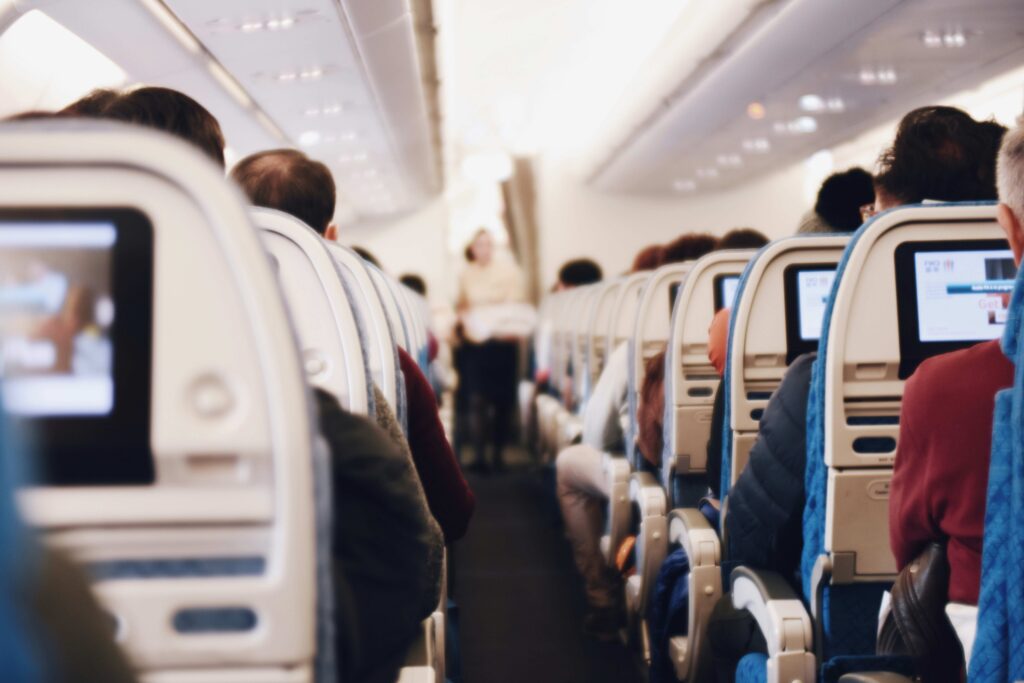
Old inflight WiFi leaned on geostationary satellites parked about 35,000 km up, which means high latency and speeds that collapse when a full cabin logs on. Starlink's network sits a few hundred kilometres up, so latency drops to roughly 20–40 milliseconds and speeds can clear 100 Mbps (enough for streaming, video calls and gaming gate to gate). Passenger demand did the rest - a Viasat survey found a third of flyers consider no internet the single most frustrating part of modern flying.
The industry has settled into two clear camps, and most carriers have gone with Starlink:
Delta broke ranks, choosing Amazon's Leo (the network formerly called Project Kuiper) for 500 planes from 2028, with JetBlue also on Amazon from 2027. Either way, the direction is the same: faster, free WiFi as standard.
For years European long-haul lagged the US on inflight internet. Beyond British Airways, the wider IAG group is bringing Starlink to Iberia, Aer Lingus and Vueling; Air France and SAS are actively rolling it out; airBaltic already has it fleet-wide; and the Lufthansa Group, along with ITA Airways, has signed on. Within a year or two, "does this flight have WiFi?" will be a strange question to ask on a major European carrier.
This is where it pays to read the fine print, because "free" usually comes with a condition.
Two more catches matter:
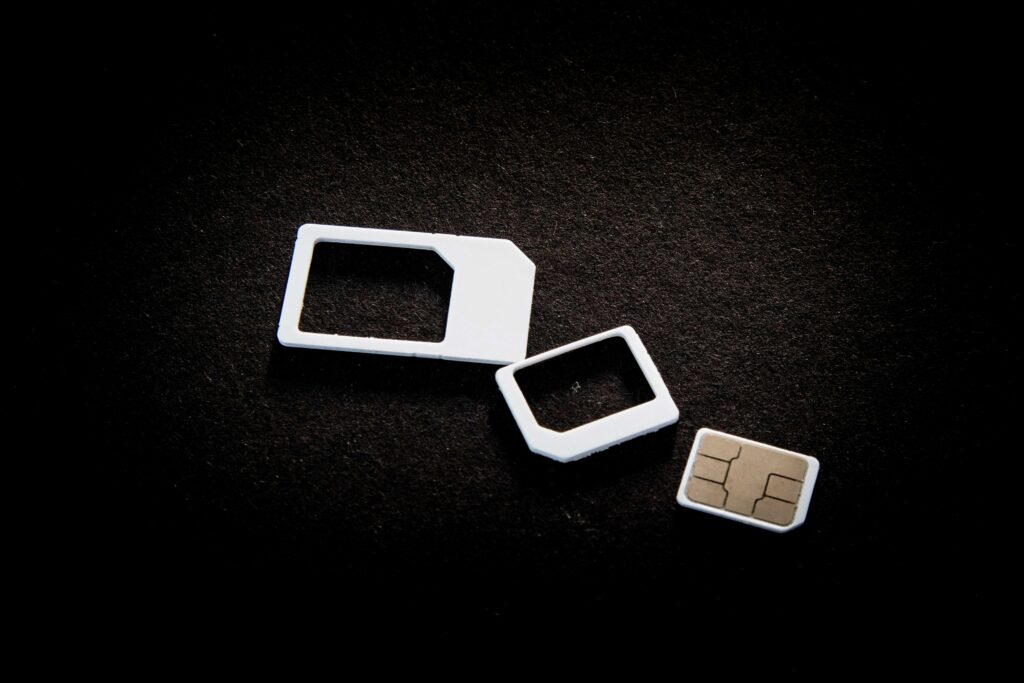
Inflight WiFi solves exactly one leg: the flight. The second you land, you're back to the usual choice between costly roaming, slow airport WiFi, or a local data plan. A travel eSIM installed before departure activates on arrival, so you walk off the jet bridge already online for maps, ride apps and your hotel check-in.
There's also a security point worth taking seriously. Inflight WiFi is a shared, open network, the same risk profile as any café hotspot, so avoid banking or entering card details on it without a VPN. Mobile data through an eSIM is a private, encrypted connection by default, which makes it the safer pipe for anything sensitive. And onboard WiFi quality still varies wildly by route and aircraft, with some carriers throttling or blocking video calls (another reason not to treat it as your whole-trip connection).
The bigger picture is that free, fast inflight internet is about to become the baseline rather than the exception, with Amazon Leo arriving for JetBlue in 2027 and Delta in 2028 to pile on the competition. But the plane is only half the journey.
The airport you land in, and the country beyond it, are still your problem to solve, so sort the ground before you fly. Our best travel eSIMs for 2026 are tested on price, coverage and speed, and our guide to avoiding roaming charges covers the rest, so the only WiFi you're ever chasing is the free kind at 38,000 feet.

The best global eSIM provider
From $2.3/week
A reliable eSIM provider for budget travelers
From $2.4/week
The best global eSIM provider
From $2.3/week
A reliable eSIM provider for budget travelers
From $2.4/week
Our mission is simple: to make sure you never have to ask, “What’s the WiFi password?” again. All our tips come straight from personal experience — because we’d never recommend something we haven’t put to the test ourselves.
Reviews