


News
Rising fuel prices are forcing airlines worldwide to rethink operations, raise fares, and cut less profitable routes. While many European carriers are reducing capacity, Air Europa is moving in the opposite direction by expanding for the summer season.

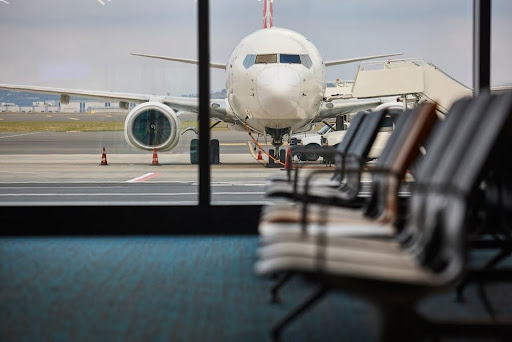
In Europe, IAG, Lufthansa, and Air France-KLM are absorbing billions in additional costs, while easyJet and Ryanair adjust capacity and fares. Air Europa is betting on growth by securing fuel supply, while Chinese airlines are raising ticket prices to pass fuel costs on to passengers.
The airline industry is entering one of its most tense periods since the pandemic during the second quarter of 2026. Rising fuel prices, driven by the war in the Middle East and growing global energy uncertainty, are already changing how airlines operate around the world.
What began as a geopolitical crisis is now translating into more expensive flights, less profitable routes, and airlines restructuring operations to contain costs ahead of the European summer season.
The situation has intensified competition between airlines to the point where, while some carriers announce summer flight cancellations, others are pushing ahead by securing and even increasing capacity.
Jet fuel is one of the most sensitive costs in any airline operation. Depending on the airline and flight type, it can account for up to a third of total operating expenses.
The conflict involving Iran has once again pushed oil prices higher and placed additional pressure on energy supply chains across multiple regions. At the same time, several international routes have begun avoiding airspaces considered risky, forcing airlines into longer flight paths that consume even more fuel.
The situation is already directly impacting the finances of groups such as IAG, Lufthansa, and Air France-KLM, which are facing billions of euros in additional operational costs linked to the energy crisis.
Meanwhile, airlines such as easyJet and Ryanair have already publicly acknowledged that rising fuel prices are affecting margins and putting upward pressure on fares ahead of the peak travel season.
The industry response has already started, and it goes far beyond simply raising prices. Many airlines are reorganizing routes, reducing less profitable frequencies, and prioritizing markets where demand remains strong. Others have begun delaying expansion plans or reviewing entire operations to protect profitability.
In Asia, some carriers have already introduced fuel surcharges on international flights. In Europe, several low-cost airlines warn that ticket prices will continue rising if oil prices maintain their upward trend.
Amid a difficult environment for the sector, the Spanish airline is separating itself from competitors by confirming it has secured fuel supply for this summer’s peak season between June and September. It has even announced an increase of nearly 6% in seat capacity for the summer period.
The company plans to operate around 9.3 million seats between June and September, increasing frequencies and launching new international routes. The strategy sharply contrasts with other European airlines that have already started reducing operations or adjusting capacity because of fuel costs.
Spain also maintains a relatively favorable position compared to other European countries because much of the jet fuel used by its airlines is produced locally. According to data from the Airline Association, between 80% and 85% of aviation fuel consumed in the country comes from Spanish refineries.
That has allowed airlines such as Iberia, Vueling, and Air Europa to rule out, at least for now, massive cancellations or extraordinary fuel surcharges on already sold tickets.
The European Union has started tightening regulations around so-called “fuel surcharges,” a mechanism historically used by airlines to pass rising oil costs directly onto passengers.
Although many airlines insist they will avoid adding extra fees to already issued tickets, increased costs are still being reflected in the final price of flights.
The situation could worsen if tensions in the Middle East continue escalating. Some industry analyses even warn that Europe may only have a few weeks of aviation fuel reserves available in the event of a major deterioration in the conflict.
The fuel crisis caused by the war in the Middle East is not limited to Europe or the United States. Chinese airlines have also started adjusting fares and surcharges to compensate for the sharp rise in jet fuel prices, which in some recent periods have doubled since the conflict began.
According to industry sources, airlines such as Air China, China Southern, and Spring Airlines will raise ticket prices starting May 16 in response to fuel costs, a measure repeatedly applied in recent months in line with oil market volatility.
Beyond the current crisis, many airlines already understand that the energy problem could become structural. That is accelerating investments in more fuel-efficient aircraft, AI-powered route optimization, and new operational strategies designed to reduce fuel consumption.
Interest in sustainable aviation fuels is also growing again, although large-scale adoption still faces extremely high costs. In the meantime, airlines are operating almost week by week, adjusting routes and operations depending on oil prices and global geopolitical developments.
For travelers, the consequences are already becoming noticeable:
The difference this time is that the problem no longer appears temporary. And the airline industry has already started reorganizing itself as if the energy crisis is here to stay.

The best global eSIM provider
From $2.3/week
A reliable eSIM provider for budget travelers
From $2.4/week
The best global eSIM provider
From $2.3/week
A reliable eSIM provider for budget travelers
From $2.4/week
Our mission is simple: to make sure you never have to ask, “What’s the WiFi password?” again. All our tips come straight from personal experience — because we’d never recommend something we haven’t put to the test ourselves.
Reviews