

News
As the 2026 World Cup gets closer, Mexican authorities are warning about a rise in digital scams linked to online purchases of tickets, jerseys, and official merchandise. In addition to checking websites before paying, they recommend avoiding public Wi-Fi networks and choosing safer ways to get online.


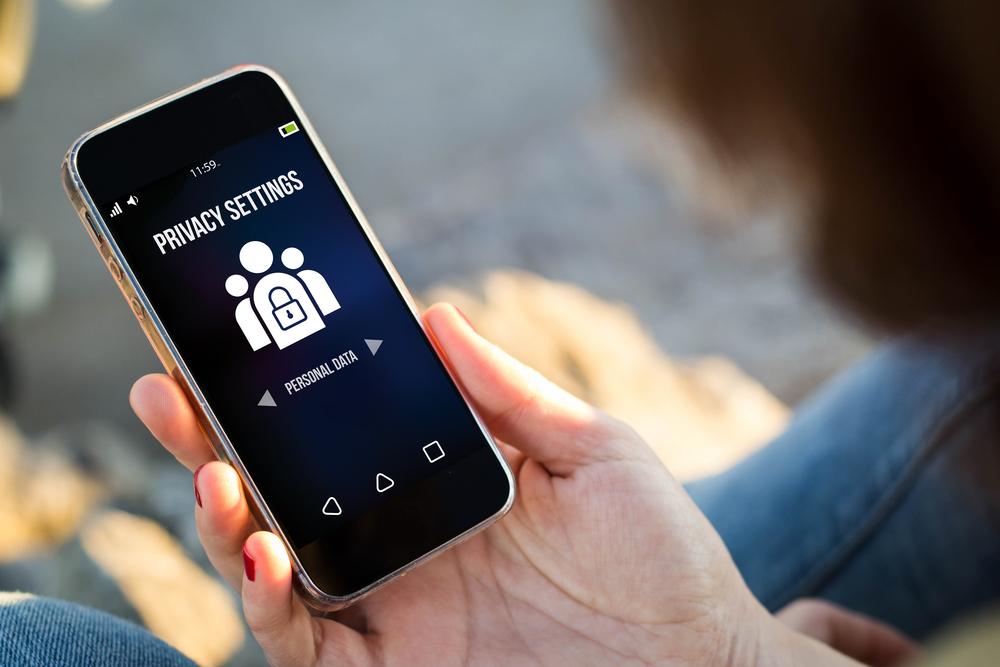
The countdown to the 2026 FIFA World Cup has already begun, and World Cup excitement is also spreading online. Tickets, jerseys, collectible albums, balls, and travel packages are appearing everywhere. But alongside the offers, digital scams are also on the rise.
That is why Mexico’s Secretariat of Security and Citizen Protection (SSPC) and Mexico City’s cybercrime police unit issued an alert to help prevent fans from falling victim to online scams in the months leading up to the tournament.
The World Cup will take place from June 11 to July 19 in Mexico, the United States, and Canada, and authorities warn that cybercriminals are taking advantage of fans’ excitement and urgency to steal personal data and banking information.
What do the authorities recommend, and how can you enjoy the experience without unpleasant surprises? Keep reading.
According to a report by Fortinet, Mexico recorded 58.1 billion attempted cyberattacks in 2025, making it one of the main targets in Latin America.
Experts explain that many criminal networks use Artificial Intelligence (AI), fake websites and sponsored ads to deceive users. These are often paired with messages such as “last tickets” or “limited-time offer”, designed to push people into impulse purchases.
A report by Kaspersky, cited by El Financiero, also warned that Mexican companies and users face almost 300,000 attempted attacks every day related to digital fraud and information theft.
The SSPC warned about several types of scams linked to the 2026 World Cup:
Many of these scams spread through social media, private messages, and online ads that appear legitimate.
Mexican authorities recommended following these measures before making any purchase related to the World Cup:
They also announced that the SSC Cyber Police Unit will be available to handle reports, questions, or suspicious activity through its official channels:
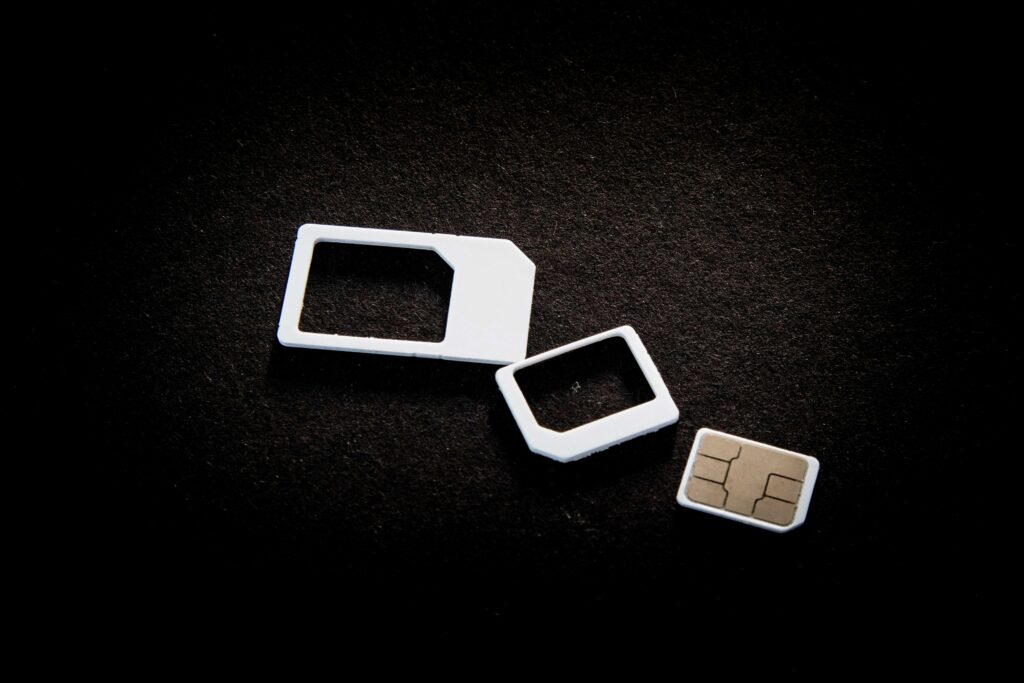
A simple way to reduce risks while traveling is to use an eSIM with mobile data to get internet in Mexico instead of relying on public Wi-Fi networks in airports, hotels, or cafés, which can often put your personal data at risk.
eSIMs in Mexico let you get online as soon as you arrive at your destination, without needing to replace your phone’s physical SIM card. Besides being practical for traveling between Mexico, the United States, and Canada during the World Cup, they also provide a more private and secure connection when buying tickets or accessing banking apps.
The 2026 World Cup will be played from June 11 to July 19 in Mexico, the United States, and Canada. It will be the first edition with 48 national teams and also the first organized by three countries. The 2026 World Cup will not only attract fans, but also travelers who combine work and leisure and could become important for the local economy: digital nomads, whose numbers in the country will increase during this period.
Mexico will make history by becoming the first country to host three World Cups, after the 1970 and 1986 editions.

Our mission is simple: to make sure you never have to ask, “What’s the WiFi password?” again. All our tips come straight from personal experience — because we’d never recommend something we haven’t put to the test ourselves.
Reviews