

Our voice
For 10 years, your phone has been the perfect illegal immigrant - living abroad without ever registering, paying, or showing ID. Now governments from Turkey to India have noticed. Is the golden age of one-tap travel data already over?

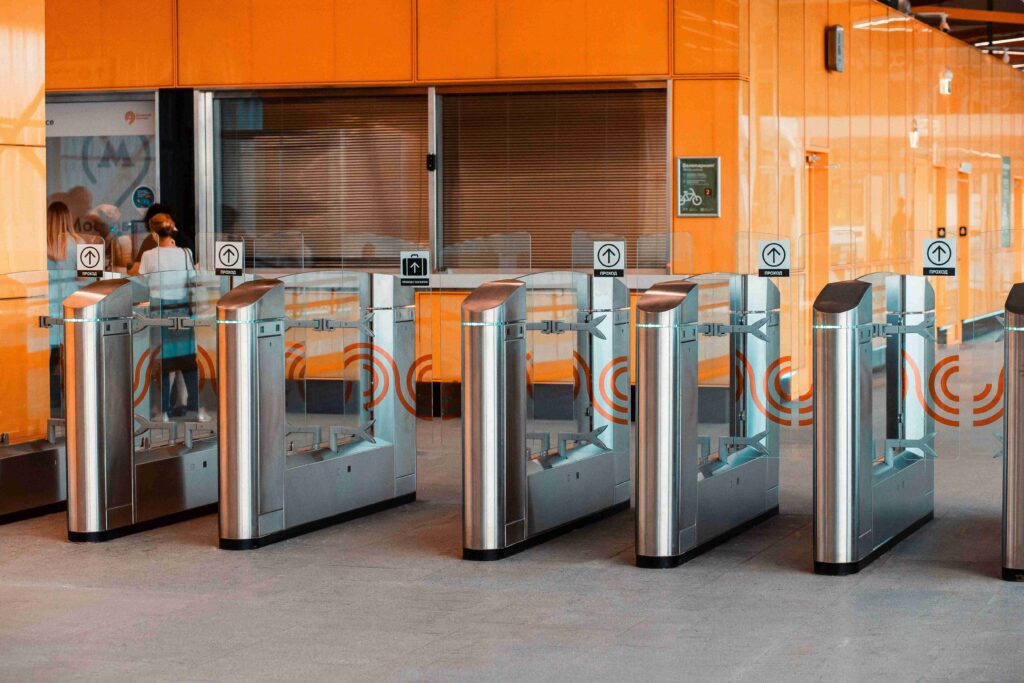
Imagine you could move to another country and simply… stay. No visa, no residence permit, no registering at the town hall, no local taxes. You'd use the roads, the cafés, the hospitals, all while officially never having arrived. You'd be a permanent tourist, invisible to the system, indefinitely.
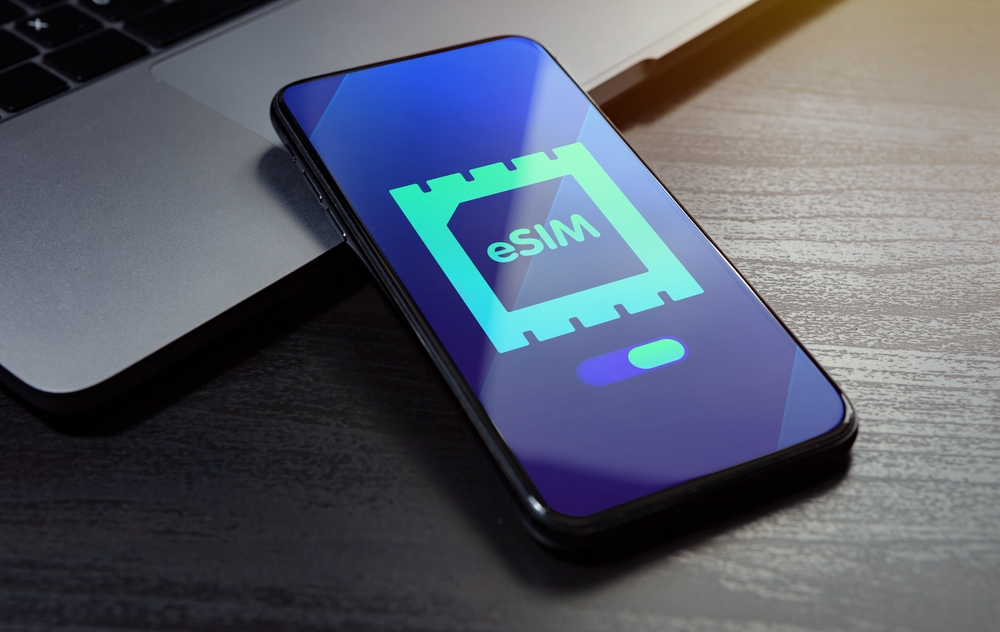
It sounds absurd. And yet that is almost exactly what your phone has been doing every time you travel with a cheap eSIM. For about a decade, the travel eSIM has been one of the best deals in modern travel: you tap a button in an app, pick a country, and you're online before you reach baggage claim.
What very few travelers realize is why it's so cheap and easy, and that the reason is exactly what is now getting it banned, one country at a time.
When you buy a local SIM card abroad, you become a local customer. You show your passport, you get registered in a database, and you fall under that country's rules. A travel eSIM does the opposite. It keeps your phone as a permanent guest on a local network, always "roaming," never registering, never showing ID, never really entering the system.
The industry has a name for this: permanent roaming. And that invisibility isn't a bug, it's the whole product. It's what lets a company in one country sell you data in a hundred others without dealing with each government's paperwork. It's brilliant, and for years almost nobody in power was paying attention.
They're paying attention now. And when I started pulling on the thread, I realized this wasn't a string of unrelated headlines. It's the same story, playing out in country after country.
Turkey moved first, and most publicly. On July 10, 2025, the country's telecom regulator, the BTK, blocked the websites and apps of a long list of major travel-eSIM providers from inside the country. By the time independent testers checked from Istanbul in May 2026, around 23 providers were blocked, including the biggest names: Airalo, Holafly, Nomad.
There's an important distinction here. The eSIM you install before you arrive still works fine. What's blocked is the ability to buy a new one or top up once you've landed (exactly when a stranded traveler needs it most).
And buried in Turkey's reasoning was the line that gives this whole story its spine: providers must stop their eSIMs from functioning as "permanent roaming devices," and must instead run on Turkish networks and store data on Turkish servers.
Turkey was the story that started all of this, and we broke it down in full at the time - here's exactly how Turkey banned travel eSIMs, and which providers still work if you're heading there.
Once I knew what to look for, the pattern was everywhere.
Russia went further. Since October 6, 2025, any foreign SIM or eSIM is hit with an automatic 24-hour block on mobile data and SMS the first time it connects to a Russian network - a "cooling-off" measure that authorities link to security concerns, including the use of foreign numbers to control drones.
It applies to every international provider equally. The effect has been a messier, less reliable market: some providers had already left Russia in 2022 over sanctions, and those that still operate now require extra steps, such as SMS verification through a Russian carrier, to get a foreign eSIM working at all.
The Gulf is the newest and least-noticed front.
The country that surprised me most was India, because it has been quietly doing this for years.
Back in January 2024, India's Department of Telecommunications ordered Google to pull Airalo and Holafly straight off the Indian Play Store, because they were operating without the required licence, as the Indian tech-policy outlet MediaNama reported.
India also requires anyone selling foreign roaming SIMs to collect your passport, your visa, and proof of identity before activating them. That's the polar opposite of one-tap anonymity. And a government consultation in 2025 signalled the rules are likely to get tighter, not looser.
Six countries. Eighteen months. At some point, "coincidence" stops being a credible explanation.
So why now? When I lined up the official reasons, three motives kept reappearing, and they reinforce each other.
The first is security. A foreign-controlled connection tied to no local identity, that authorities can't easily trace, is precisely the kind of thing that makes a security agency nervous, and in a jumpy year of drone scares, that nervousness has turned into policy.
The second is money. This is the one that's rarely said out loud, but it's obvious once you see it. Every traveler on a foreign eSIM is a traveler who spends nothing with the local phone companies. Multiply that by millions of tourists and you have national carriers watching real revenue walk out the door, and lobbying their regulators accordingly. The UAE barely hides this; protecting its home operators is openly part of the logic.
The third is control over data. The global eSIM model works by routing your data across borders, through whichever servers are cheapest. A wave of new "data localization" and SIM-registration laws says the exact opposite: your data, your identity, and your traffic must sit inside the country's own systems. Those two models cannot both win.
I'm not telling you to throw away your eSIM. For the vast majority of destinations, it's still the cheapest and easiest way to stay connected, and that isn't changing.
But the era of buying it without a second thought is ending, and there's one rule that now matters more than any other: install and activate before you fly. The old habit of "I'll sort it out when I land" (once perfectly safe) is now exactly how people end up stranded in an arrivals hall with a dead app and a website that won't load.
If you want the full playbook, here's how to avoid roaming charges when you travel from switching off data roaming to picking an eSIM that still works where you're headed.
The bigger shift is harder to undo. For a decade we drifted toward a single, frictionless, works-everywhere internet that didn't care about borders. Now the borders are reasserting themselves, and connectivity is fragmenting back into a patchwork where the rules genuinely differ from one country to the next. "Will my phone actually work there?" is becoming a real question again, the way it was 15 years ago.
It's the flip side of a question we asked not long ago:is a world without roaming even possible? With every new ban, the answer looks a little further away.
Which brings me back to that permanent tourist. For 10 years your phone got to live abroad without ever filling in a form, and we all quietly enjoyed the freedom of it. The countries it was visiting have finally started checking passports at the door.
The only real question left is how many of them will follow, and whether, by the time you next pack a bag, your phone will still be let in.

The best global eSIM provider
From $2.3/week
A reliable eSIM provider for budget travelers
From $2.4/week
The best global eSIM provider
From $2.3/week
A reliable eSIM provider for budget travelers
From $2.4/week
Our mission is simple: to make sure you never have to ask, “What’s the WiFi password?” again. All our tips come straight from personal experience — because we’d never recommend something we haven’t put to the test ourselves.
Reviews