

News
Fake QR codes are appearing in airports, hotels, parking meters, and other travel hotspots, tricking people into handing over payment details or personal information. As QR-based scams surge worldwide, travelers are becoming one of the biggest targets.

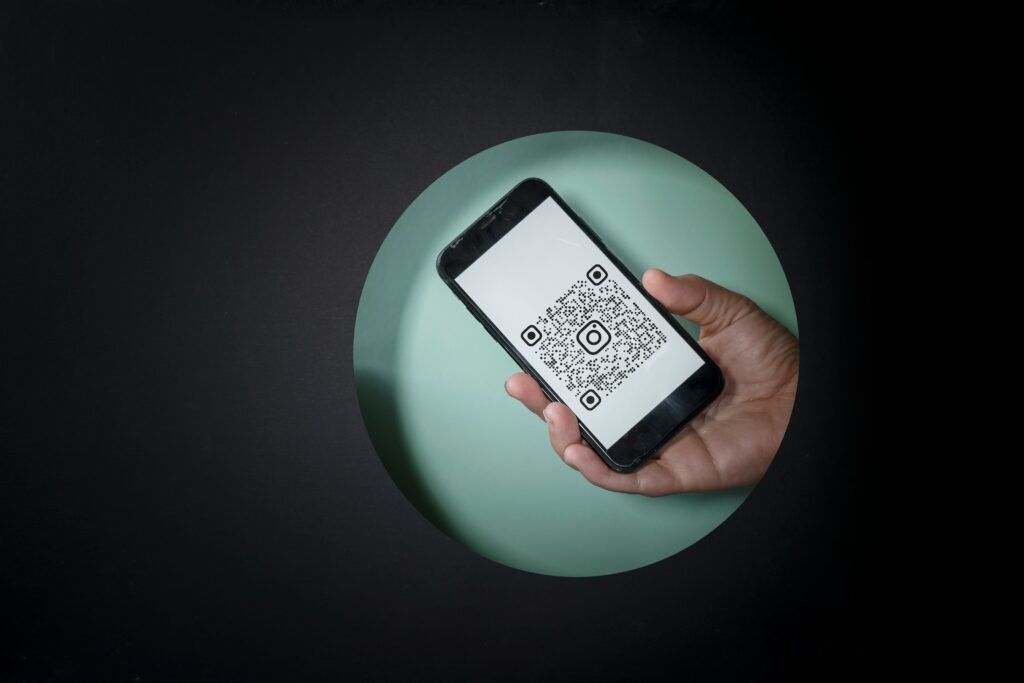
Quishing (QR-code phishing) rose 146% in the first quarter of 2026, with roughly 18.7 million incidents logged in March alone, according to threat-intelligence figures published in early June. QR codes now turn up in about 12% of all phishing attacks, up from under one percent in 2021.
The losses are real and growing: in the UK, the national fraud center recorded more than 780 quishing reports and around £3.5 million stolen in a single year, with reports up roughly 14-fold over five years - growth investigators tie to organized crime.
US regulators have raised the same flag, with the FTC warning consumers about scanned-code scams, and one estimate suggesting more than 26 million Americans have already been sent to a malicious site by a QR code.
The reason it works is human, not technical: surveys suggest about three-quarters of people scan a code without checking where it leads, and most attacks aim squarely at phones, where a shortened link and a small screen hide the warning signs.
The classic move is a fake QR sticker laid over a real one in a busy, trusted spot. Parking meters were the early favourite - the FBI issued an advisory after tampered codes in Austin, San Antonio and Houston quietly redirected drivers to a fake payment page.
The tactic has since spread to restaurant menus, airport signage, hotel lobbies, parcel labels and even printed letters. The travel-specific version doing the rounds now is the "four-tap scam":
A parallel wave arrives by email, as fake booking confirmations are polished enough to fool a jet-lagged eye into "verifying" a card or reservation.
Setting up a travel eSIM normally means scanning a QR code from your provider, so the act of scanning to get online feels completely routine, which is exactly what lets a fake one blend in. Two things are worth knowing:
Police cyber units, including India's, have documented this exact script, where a single shared code handed criminals full control of a victim's banking.
A few habits stop almost all of this:
The SIM-swap version is the one that can empty accounts, so guard the number itself. Set a PIN or passphrase on your mobile account so it can't be ported on a phone call. Switch your two-factor codes from SMS to an authenticator app, so a stolen number doesn't unlock your bank. And never read an activation or verification code aloud to someone who called you, a real carrier will never ask you to.
Move fast, in this order:
Speed matters more than anything here, most of the damage is done in the first hour.
The best fix is to never need a QR code at the airport at all. Buy and install your eSIM from a trusted, tested provider before you leave home; it activates on arrival, so you step off the plane already online, with nothing to scan and no "free WiFi" to chase.
If you're not sure which to pick, our best travel eSIMs compares the names we've actually tested on price, coverage and speed, and our guide on how to avoid roaming charges covers everything else.

The best global eSIM provider
From $2.3/week
A reliable eSIM provider for budget travelers
From $2.4/week
The best global eSIM provider
From $2.3/week
A reliable eSIM provider for budget travelers
From $2.4/week
Our mission is simple: to make sure you never have to ask, “What’s the WiFi password?” again. All our tips come straight from personal experience — because we’d never recommend something we haven’t put to the test ourselves.
Reviews